
Kendujhar
Gonasika: A Hill Source and a River’s Journey
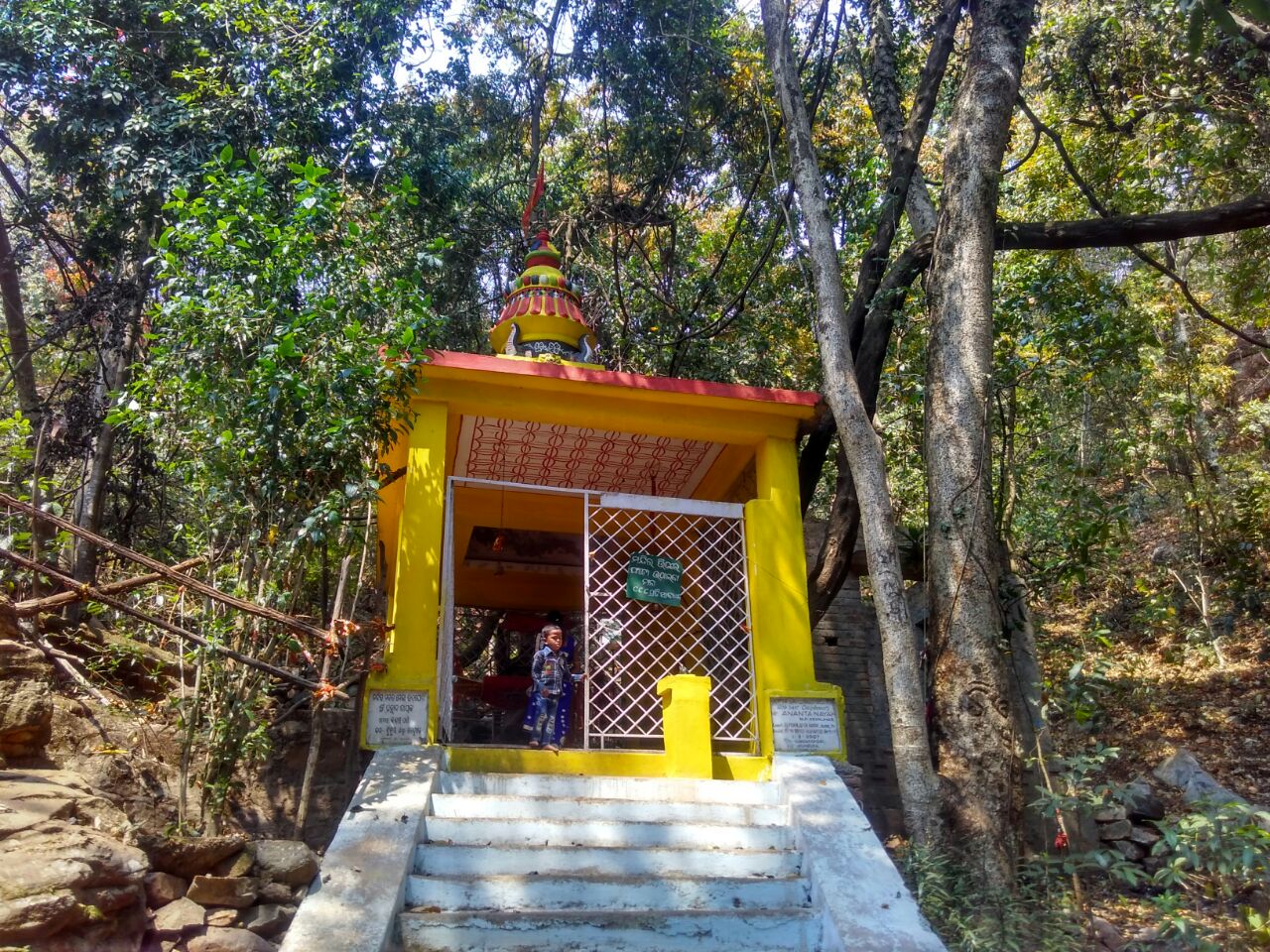
Gonasika is a place of hills, valleys and worship in Kendujhar. The Brahmeswar Mahadev shrine stands beside the Baitarani,1 the river that begins here.2
A sacred source
The district’s sacred account connects the source with Brahma and describes water emerging through the nostrils of a cow. It describes the river disappearing underground and re-emerging at Brahma Kunda, and calls it Guptaganga.1
Baruni Jatra brings another religious association: the district links the festival with pilgrimage to the shrine and ritual bathing at Brahma Kunda.3
From the hills to the sea
The Baitarani travels north towards the Jharkhand border before turning towards Anandapur and Bhadrak.4 Odisha’s Water Resources Department traces its journey from Gonasika to the Bay of Bengal.2
Planning a visit
Kendujhar is the approach town; confirm onward access locally before setting out.1 Allow time for the source setting and worship, and ask before photographing rituals.
Footnotes & Sources
-
Kendujhar district, Gonasika Temple, description and approach sections. ↩ ↩2 ↩3
-
Odisha Department of Water Resources, Annual Report 2020–21, p. 17, Baitarani basin. ↩ ↩2
-
Kendujhar district, Culture & Heritage, Baruni Jatra section. ↩
-
Odisha Department of Water Resources, Kanjhari Dam Environment and Social Due Diligence Report, October 2020, p. 15. ↩
Continue reading
Further reading
Suggest an update. GitHub submissions are public; omit private contact details and consent documents.