
Koraput
Gupteswar: A Cave Shrine and Its Forest
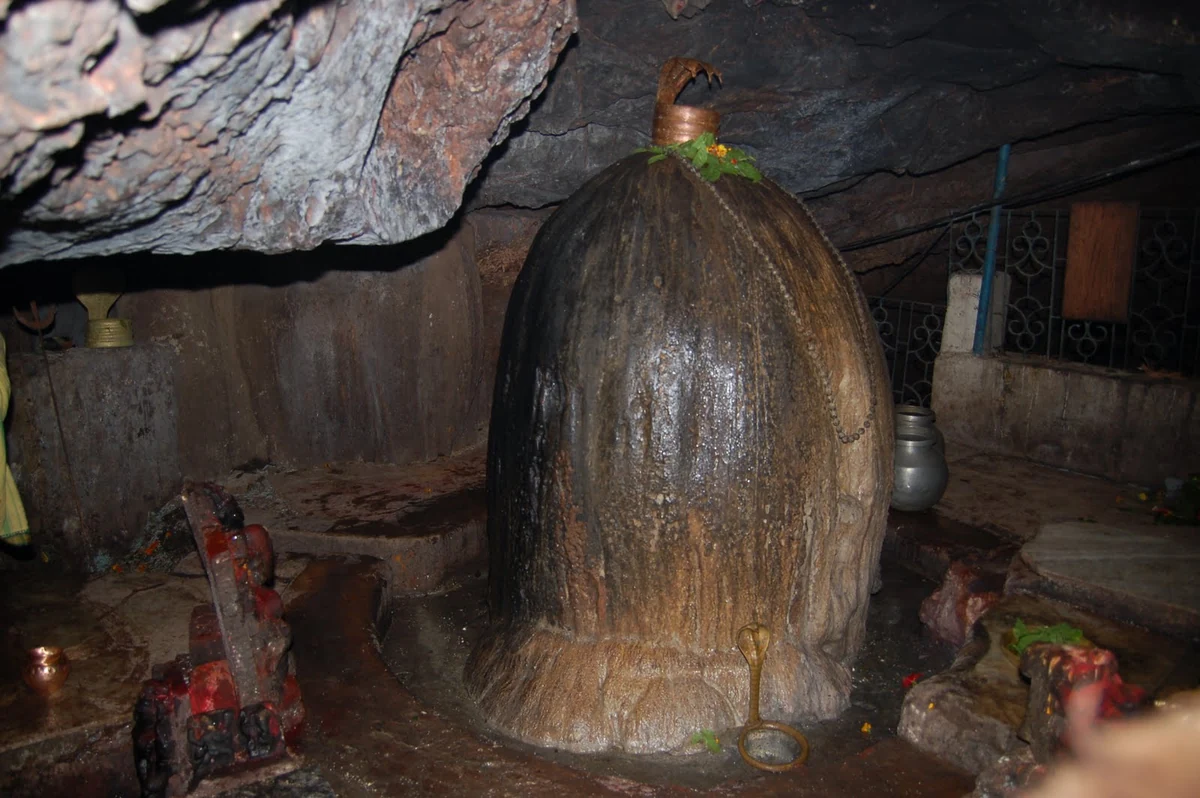
At Gupteswar, the shrine lies inside a cave on a wooded hill. Its chambers shelter a Shiva lingam, while forest surrounds the place of worship. The district’s account places this pilgrimage destination in Koraput’s wooded interior, approached from Jeypore.1
The shrine and its traditions
Sacred tradition links Gupteswar with Rama’s passage through Dandakaranya towards Panchabati. This epic association belongs to the shrine’s devotional story; it does not establish a date for the beginning of worship here.1 Shravan and Shivaratri bring pilgrims from Odisha, Andhra Pradesh and Chhattisgarh, giving the cave a religious life that reaches beyond the district.2
Forest beyond the entrance
In February 2024, Odisha declared 350 hectares of Gupteswar Forest a Biodiversity Heritage Site. The designated area covers forest beside the Shiva temple in Jeypore Forest Division. The notification recognises both biodiversity and people’s connections with the forest. It records wild yams, ginger and turmeric, alongside forest products used for local livelihoods. The proposal had been approved at a Gram Sabha in May 2023: community participation forms part of the designation’s documented history.3
The caves also provide habitat. Biologist Subrat Debata surveyed five caves between September 2016 and August 2017 and recorded eight bat species. Breeding in five species occurred during February–July, overlapping with the period of heavier festival visitation. His study identified disturbance as a conservation concern and recommended controlling crowding, reducing unnecessary lighting and keeping visitors away from maternity colonies during breeding. These findings give a practical reason to leave roosting bats undisturbed.4
Planning a visit
The district’s road guide places Gupteswar about 58 kilometres from Jeypore and 80 kilometres from Koraput.1 Odisha Tourism recommends October–March and describes an approach that climbs steps before descending into the limestone cave. The movement into the shrine matters when planning for anyone who finds steps difficult. Check current entry arrangements and festival access before travelling; allow the visit to follow the worship taking place, and ask before photographing inside.2
Footnotes & Sources
-
Koraput district, Gupteswar, description and road approach. ↩ ↩2 ↩3
-
Odisha Tourism, Gupteswar Cave Temple, description and seasonal guidance. ↩ ↩2
-
Odisha Forest, Environment & Climate Change Department, Gupteswar Forest notification, no.2488, 9 February 2024, PDF pp.1–2. ↩
-
S. Debata, Bats at a cave pilgrimage site, Oryx 55(5), 2021, pp.684–691; online 2020. Survey: 2016–17. ↩
Continue reading
Further reading
Suggest an update. GitHub submissions are public; omit private contact details and consent documents.