ROOTED IN ODISHA. OPEN TO THE WORLD.ପ୍ରୋଜେକ୍ଟ ଓଡ଼ିଶା
Menu
Odia literature · a reading collection
Four voices. A world to enter.
A pattern, a prayer, an epic, an ordinary life. Meet four Odia writers through three questions, then choose the work you want to spend time with.
Begin at home, on a train or before a visit. This is a reading sequence, not a chronology, a ranking or a travel itinerary. The introductions lead to the writing; they do not replace it.
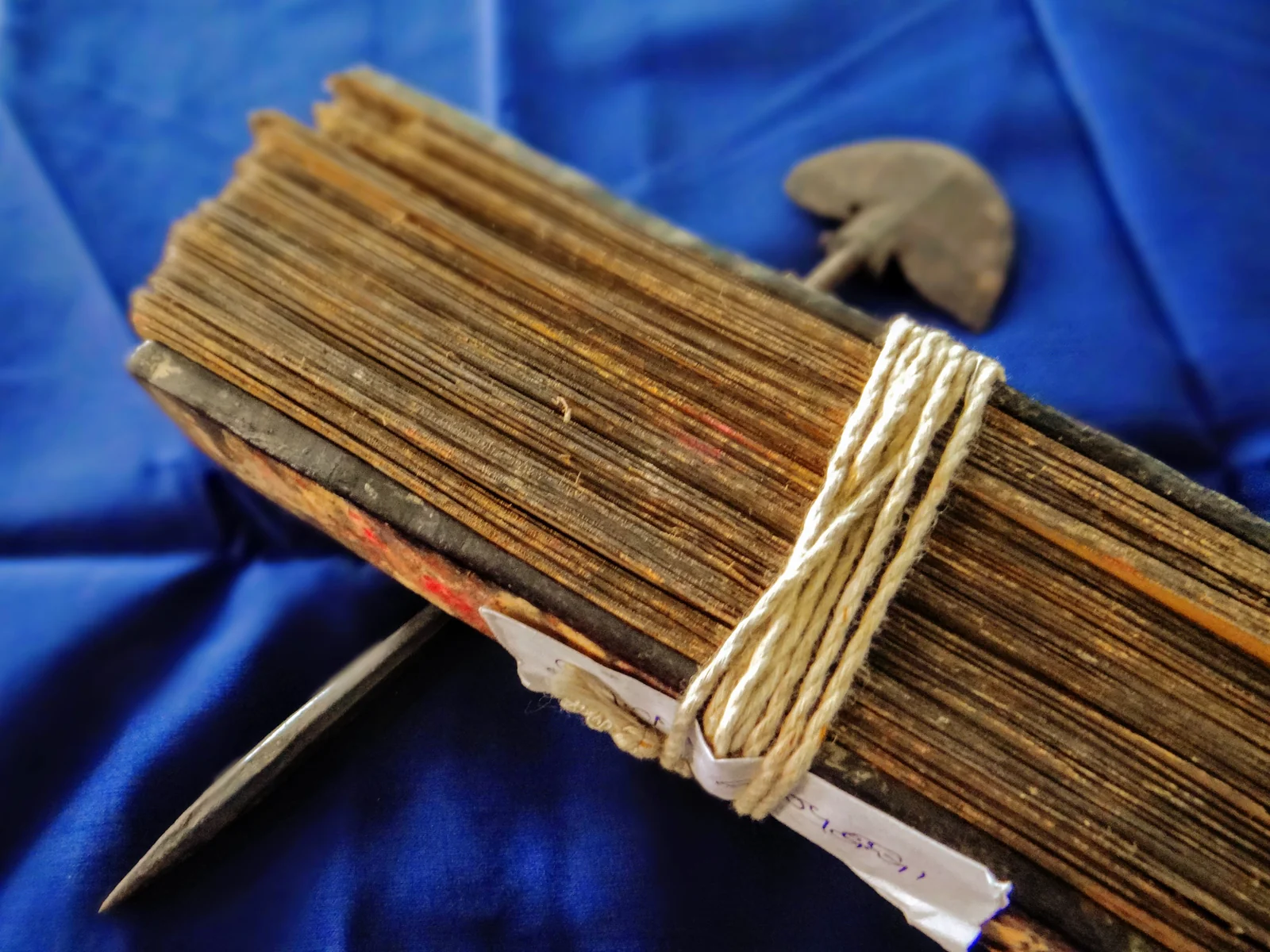
Contextual Odia manuscript, not an identified Sarala Mahabharata manuscript.
01 · Gangadhar Meher & Sarala Das
What changes when a story is retold?
Begin with our invitation to notice a pattern in Meher’s writing, then turn to Sarala Das and an epic in Odia. Their profiles offer two doorways into the relationship between a familiar story and the world of its telling.
Read with a question Choose a scene in a named edition. Notice its images, rhythm and point of view. If you compare a translation, record who translated it; these are our reading questions, not the writers’ words.
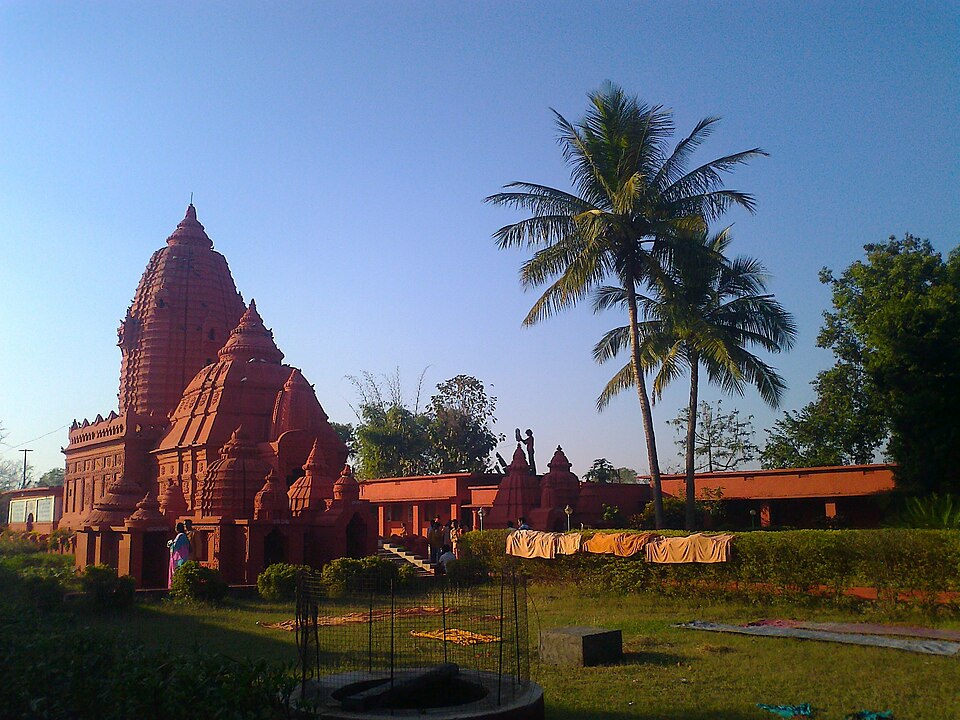
Bhima Bhoi memorial, Khaliapali · photographed in 2012.
02 · Bhima Bhoi
Whose suffering enters the poem?
The Bhima Bhoi introduction begins with compassion and points towards Stuti Chintamani. Read slowly: a prayer can also become a way of paying attention to another person.
Read with a question Read the profile, then follow its monograph and edition leads. Keep a question beside you: where does the poem direct your attention? The memorial photograph shows a later setting, not the poet’s lifetime.
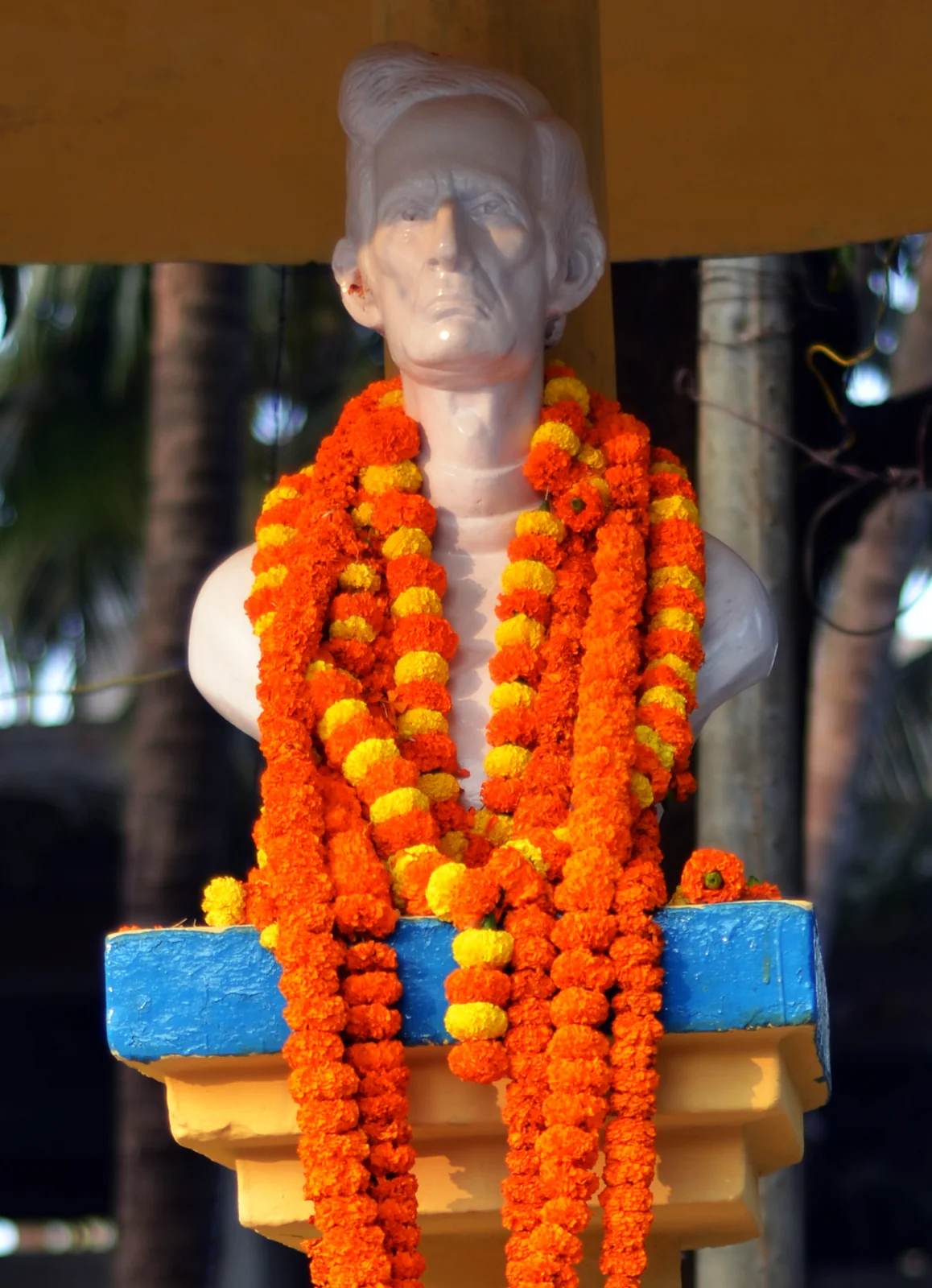
A commemorative bust of Fakir Mohan Senapati, photographed by Subhashish Panigrahi.
03 · Fakir Mohan Senapati
Who gets to tell what happened?
Follow Senapati’s profile into Six Acres and a Third. An everyday life, a transaction or a joke can open a much larger question. Let the introduction help you choose an edition, then return to the novel itself.
Read with a question Notice who explains an event and whose account is missing. Use the linked book introduction for its named English edition and translator credits; a fictional village is not a verified visitor route.
Turn the thread into your journey.
Begin with one work
You do not have to read all four writers at once. Choose one profile and follow its book or catalogue link. Ask a library or bookseller about an accessible edition; availability is not confirmed here.
Keep the edition with the memory
Record the title, author, editor or translator, publisher and language alongside your own impressions. A translated phrase belongs with its translator’s credit.
Carry only what you choose
Download the illustrated journey book to carry these introductions and pictures. Switch off personal notes before sharing a copy. No poem or novel is reproduced in this collection.
Save these four writers together, then keep an edition, a question or a reading memory in your notes. Remove any writer you want to return to later. Every idea begins unscheduled. New journeys carry the chapters connected to their selected ideas into the downloadable tour book; choose the illustrated book to include photographs. Your existing journeys stay as they are.
Photographs & source notes
Assembled 2026-10-08. Editorial reading sequence assembled from existing sourced profiles. Source inspection dates and limits remain in those profiles; no fresh source verification, close reading, translation review or visitor access confirmation.
Publisher synopsis, author note, edition and translator credits inspected. Full novel not read for this preview; reading prompts are editorial suggestions. This edition lists rights excluding South Asia; local availability is not promised.
Overview attributed to Dr Ganeswar Mishra, inspected in full. Some dates and older present-tense descriptions are inconsistent; these are not repeated here.
Relevant PDF text inspected: printed pp. 1–2 on uncertainty; pp. 12–13 on Khaliapali; pp. 27–28 on compassion. Not a complete critical reading; no poem or translation reproduced.
Bhima Bhoi paragraph inspected for titles. Its exact birth/blindness claims are not repeated as settled facts; the Akademi monograph records disagreement.
Official biographical paragraph inspected on 30 September 2026 UTC. Supports Barpali, weaver-family background and the Swabhaba Kabi name. No quotation reproduced.
Indexed literary overview inspected. Used for classical source connections, not chronology: its printed birth-year value is inconsistent and is deliberately omitted.