
Odia cinemaFilms and Filmmakers
Pramod Pati: A Room for Experiment
In this article
A painted room, a door in the floor and experiments with animation bring collaborators into the story of Pramod Pati’s filmmaking.
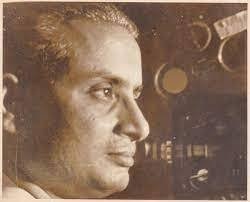
A door could be placed in the floor. That was one possibility explored when Pramod Pati and the artist Abid Surti worked on a film together. Surti remembered Pati asking him to recreate a room he had painted, this time inside a Films Division studio.1
Surti proposed an arc in which an artist arrives, creates and disappears, while the work remains. He joined staff discussions about turning that idea into images and recalled having a say in rejecting suggestions. The room’s arrangement changed as they worked. In his account, the film Abid grew through the painter’s participation in its making.1
From public information to moving images
Pati’s connection with Odisha included practical filmmaking work. In his retrospective account, Golaka Bihari Singh traces Pati’s beginnings in Sambalpur, science studies at Utkal University and cinematography training in Bangalore. As a Film Officer for the Odisha government, he made films intended for public use. Training in puppetry and animation in Prague preceded his later work leading animation at Films Division.2
A camera, an object and the time between exposures could all become tools for shaping an idea. Animation offered a way to make familiar things behave unexpectedly, inviting a viewer to look again.
Making room for other hands
Animator Ram Mohan remembered Pati encouraging graphic, stylised designs and experiments with materials. Puppets, objects and cutouts could be animated; live action and animation could be brought together.3
Those possibilities give a practical meaning to experimentation. A drawing need not carry every movement. An object can become part of the action, and a photographed person can enter a differently constructed world. Mohan’s recollection places that freedom within a workplace shared by people making films together.3
Short films, shared work
Explorer (1968) brings youth, science and modernity into a collage without narrative commentary. Its collaborators include B. K. Parthasarathy on photography, S. D. Patil on sound, U. Harish Rao on editing and Vijay Raghav Rao on music.4
Trip (1970) uses time-lapse images of Bombay and an abstract soundtrack. B. V. Dhavale handled photography; Patil, Harish Rao and Vijay Raghav Rao also worked on its sound, editing and music.5 The moving city and the studio experiment belong within the same body of work, with different tasks meeting in the finished film.
These shorts widen the geographical frame of this series: an Odisha filmmaker’s work can belong to the story without being an Odia-language production.6
An invitation to look again
Pati’s experiments sit beside the listening and documentary practice explored in Lipika Singh Darai’s story. Each offers a different way into the work between an idea and a film.
Watch Abid, Explorer and Trip on Films Division’s channel. Notice what an image asks of its sound, or how an ordinary object changes when its movement is broken into frames.
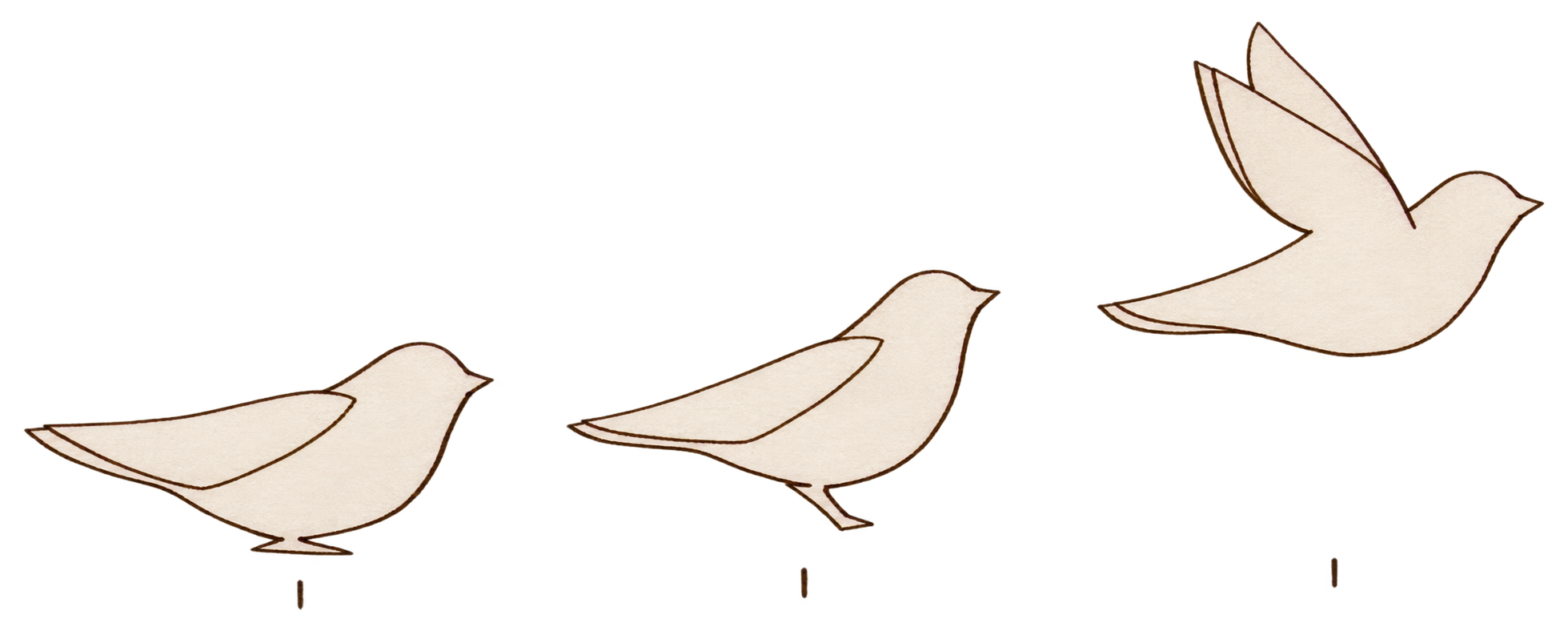
Between one position and the next.
Footnotes & Sources
-
Shai Heredia, interview with Abid Surti, Experimenta, April 2005. ↩ ↩2
-
Golaka Bihari Singh, essay on Pramod Pati, Odisha Review, February–March 2021, pp. 64–67. ↩
-
Ram Mohan interview, Dsource, IDC, IIT Bombay. ↩ ↩2
-
Cinéma du Réel, Explorer: description and credits. ↩
-
Cinéma du Réel, Trip: description and credits. ↩
-
Films Division, Pramod Pati retrospective announcement, Press Information Bureau, 20 January 2021. Its language field classifies the four shorts as “Music”. ↩
Credit: Portrait via Arcurea, Satyajit Ray Film and Television Institute. Source ↩
Further reading
Suggest an update: share a film credit, interview or precise correction. GitHub submissions are public; omit private contact details and consent documents.