
Odia cinemaFilms and Filmmakers
Aparajita Mohanty: Helping a Film Take Shape
In this article
Aparajita Mohanty’s acting and producing connect the work of learning from another woman with contributing to a new film.
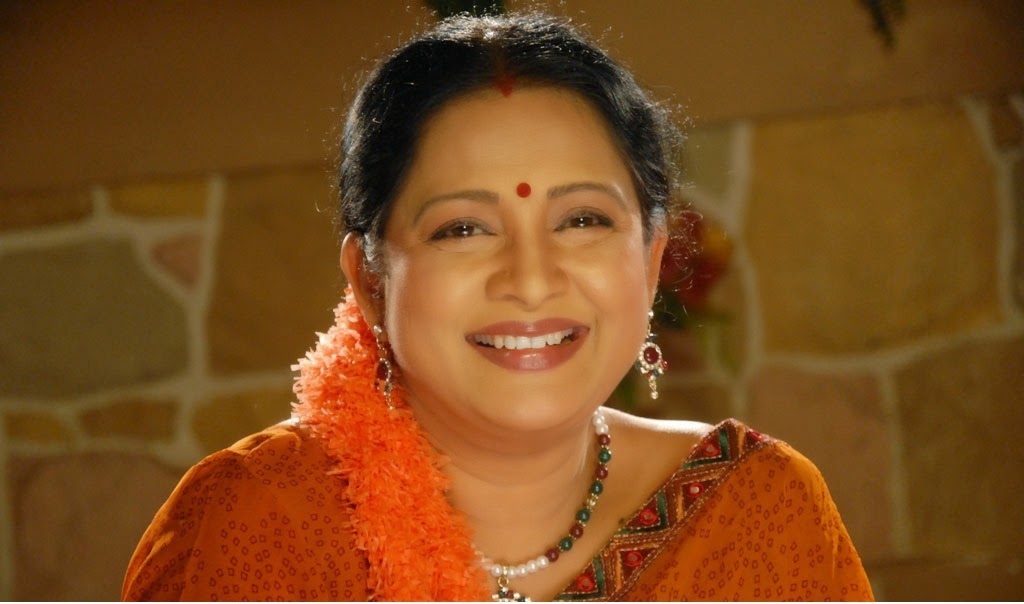
The writer Imraan remembered Aparajita Mohanty staying late to offer suggestions during the making of ବୋଉ ବୁଟୁ ଭୂତ (Bou Buttu Bhuta). Speaking about her character Ratnamala, he said she brought more to the role than he had imagined.1
Imraan remembered her contribution to the discussion as well as the performance.
What another woman taught her
Aparajita’s remembrance of Anita Das brings an earlier relationship into view. She described Anita as an elder-sister figure who taught her about acting and the workings of the industry.2
The affection in that memory accompanies a practical acknowledgement: another woman helped her learn her work. Learning Cinema Together follows such relationships across the collection, from introductions and assisting to the knowledge exchanged between colleagues.
Taking responsibility for a film
In 2012, Aparajita produced Love Master through her production house, Sai Maa. Reporting that move, The Times of India attributed to her the wish to make good films for audiences.3
Her production work connects with the cinema economics reading, which follows the resources and agreements behind a film.
Helping the work take shape.
Footnotes & Sources
-
Ankur Rath, interview with Imraan on Bou Buttu Bhuta, My City Links, 25 July 2025. ↩
-
Aparajita Mohanty remembers Anita Das, The New Indian Express, 12 May 2018. ↩
-
“Ollywood at a glance in 2012,” The Times of India, 29 December 2012, Aparajita’s production venture. ↩
Further reading
Suggest an update: share a film credit, interview or precise correction. GitHub submissions are public; omit private contact details and consent documents.