
Odia cinemaFilms and Filmmakers
Bijay Mohanty: Learning a Role, Sharing a Craft
In this article
The actor audiences recognised also prepared, observed and taught: Bijay Mohanty’s story moves between a role, a classroom and a theatre group.
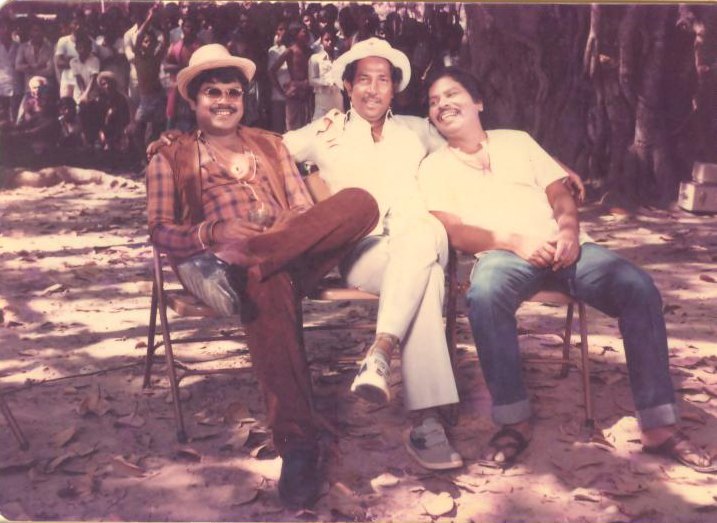
At his National School of Drama audition, Bijay Mohanty remembered being uncertain of his Hindi and English. He asked whether he could perform in Odia. The answer was yes. In his account, the journey to that room had begun with Prasanna Mohanty, who encouraged him and sent an application form from Delhi.1
The language he brought with him had a place in his training. Years later, he would help other performers find their footing, carrying his own learning into classrooms, rehearsals and films.
Preparing to become someone else
For ଚିଲିକା ତୀରେ (Chilika Tire), Mohanty recalled living with fishermen while preparing to play one. The writer and lyricist Sibabrata Das had connected him with filmmaker Biplab Ray Choudhury.1 Preparation meant spending time with people whose daily lives would inform a role.
His Chilika Tire co-star Tandra Ray described another kind of learning. In a joint interview with Mohanty, she recalled learning Odia from senior colleagues and reading Odia novels. She had signed Chilika Tire before Punar Milan, although the latter reached audiences first.2
Their accounts bring language and reading close to performance. The literature and cinema reading follows those connections through writers and adaptations.
A classroom could become a stage
Mohanty taught at Utkal Sangeet Mahavidyalaya. Theatre director Subodh Pattnaik, remembering his teacher, singled out his work with props in Madhyanha Ra Ranga. He also recalled a production that used the entire college building as its performance space, and learning while assisting Mohanty on Bhuli Huena.3
Other students remembered different aspects of his care. Ashrumochan Mohanty recalled being given tasks when his teacher was away filming. Mihir Swain remembered encouragement that recognised individual students’ strengths.4 Their accounts give the classroom a continuing life beside the screen career.
Words for another company
Mohanty also wrote for theatre. Manana Natya Sanstha’s productions of Amari Bhagaban in 1990, 2004 and 2006 credit him as writer and Manoj Pattanayak as director.5
The cinema overview places Mohanty among the performers audiences returned to. Here, the memories of preparation and teaching let us accompany him a little further. Learning Cinema Together continues that conversation through introductions, shared work and the attention one practitioner gives another.
A classroom makes room for performance.
Footnotes & Sources
-
Jyoti Prakash Sahoo, interview with Bijay Mohanty, My City Links, 26 August 2018. ↩ ↩2
-
“Triumphant twosome,” The New Indian Express, joint interview with Bijay Mohanty and Tandra Ray, 2012. ↩
-
Sandip Bal, Subodh Pattnaik remembers Bijay Mohanty, The Times of India, 21 July 2020. ↩
-
“Celebrity Students Speak,” OrissaPOST, 22 July 2020, p. 2; Ashrumochan Mohanty and Mihir Swain’s recollections. ↩
-
Manana Natya Sanstha, production history, Amari Bhagaban entries. ↩
Credit: MM Junior (Aby), via Commons. Source · CC BY-SA 4.0 ↩

Further reading
Suggest an update: share a film credit, interview or precise correction. GitHub submissions are public; omit private contact details and consent documents.