
Odia cinemaFilms and Filmmakers
Bijaya Jena: Making a Film, Finding Its Audience
In this article
A filmmaker’s account of acting, borrowing, writing and finding a way for her films to reach viewers.
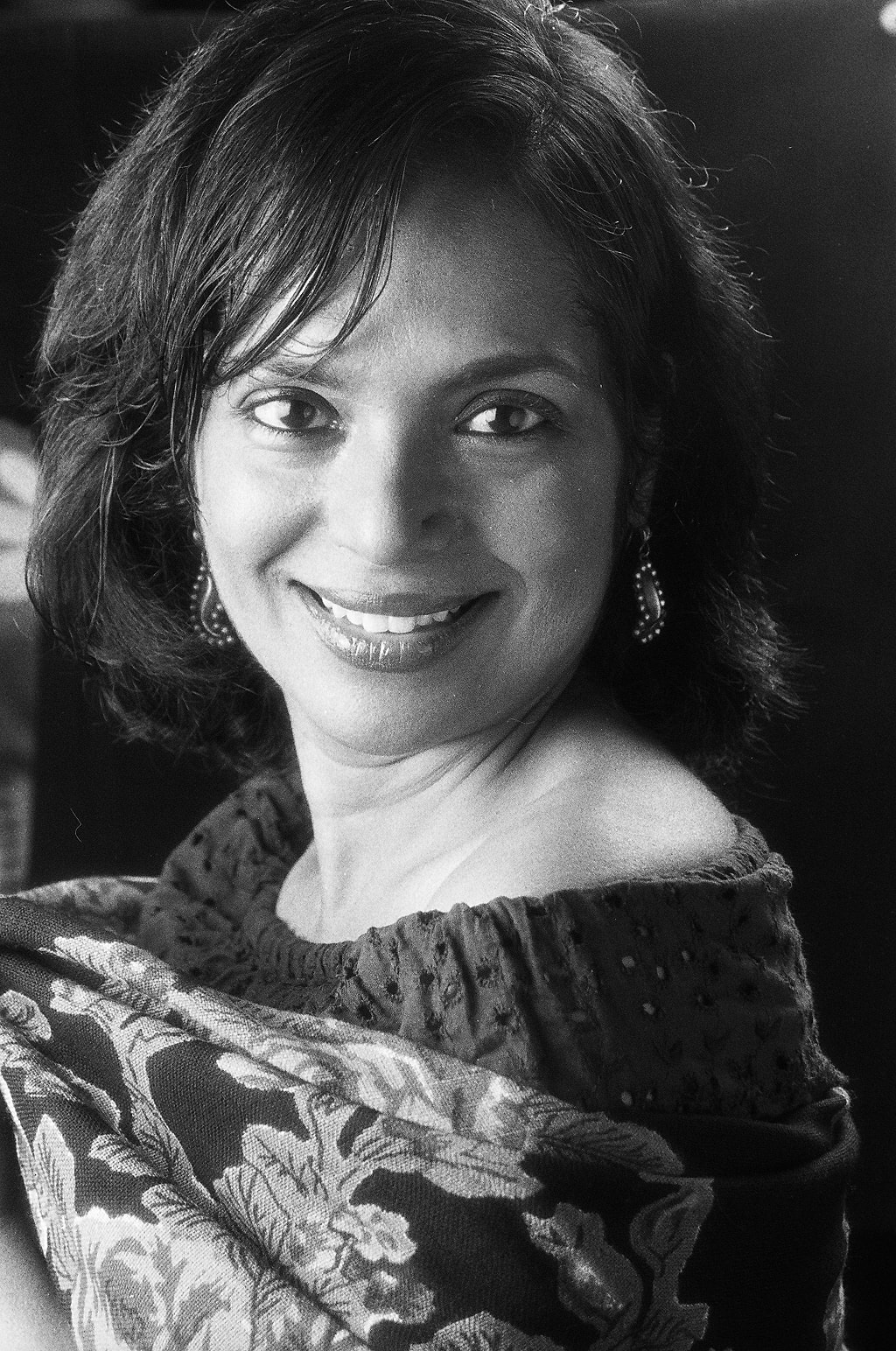
For her Odia-language film ତାରା (Tara), Bijaya Jena had to find the means to make the film in which she would also perform. In her production notes, she recalls shooting on 16mm with limited lighting and money borrowed from family, friends and government agencies.1 Acting was part of the work; keeping the production possible was hers too.
Choosing the work
In her own profile, Jena describes choosing acting studies at the Film and Television Institute of India despite opposition within her family. Her subsequent work included acting in Odia and Hindi cinema and television, before producing and directing her own films.2
The move behind the camera added responsibilities to an existing performance practice. Parbati Ghose’s career offers another account of a woman working across acting, writing, direction and production. Their distinct careers give us more than one way to follow how a film is made.
Tara, and the people making it
Jena’s synopsis centres on a rural woman whose husband and an admired social worker disappoint her, bringing questions of identity and authority into the story.1 That introduction offers a starting point for a viewer: whose judgement does Tara trust, and what happens when those she respects fail her?
The National Film Awards catalogue names Jena as producer, director and leading actor, with Bimal Dutt sharing the screenplay credit. Neelabh Kaul handled cinematography and Gadadhar Puty editing.3 These collaborators belong beside the central performance: the film’s writing, images and rhythm were shared work.
Tara received Best Feature Film in Oriya for 1991 at the 39th National Film Awards, with Jena named as producer and director.3
A book beside the writing
Her next feature, the Hindi-language Abhaas, is dated 1997 in her filmography.2 Speaking with Anees Aref for Film International, Jena recalled rereading Crime and Punishment before writing it and considering guilt in the construction of her characters.4
A book can accompany a filmmaker’s thinking without becoming the story being adapted. The page behind the screen follows both the originating work and the writing that gives a film its form. Jena’s recollection opens another literary connection: reading as company during the work of creating something new.
Finding the audience
In the same interview, she recalled difficulty obtaining theatrical distribution for Abhaas. Its premiere on national television, she said, helped her recover her money.4
Her account of recovering the money through television belongs beside the economics reading: completing Abhaas and finding its audience were separate difficulties.
A film finds another route home.
Footnotes & Sources
-
Bijaya Jena, Tara: synopsis and production notes. ↩ ↩2
-
Bijaya Jena, filmmaker profile and filmography. ↩ ↩2
-
39th National Film Awards catalogue, Best Feature Film in Oriya for 1991; Tara credits, p. 149. ↩ ↩2
-
Anees Aref, “Unpredictable Moments: An Interview with Bijaya Jena on Abhaas (1997),” Film International. ↩ ↩2
Credit: Husband of Bijaya Jena. Source · CC BY-SA 3.0 Display crop. ↩

Further reading
Suggest an update: share a film credit, interview or precise correction. GitHub submissions are public; omit private contact details and consent documents.