
Odia cinemaA New Search for Stories
Gourahari Das: fiction, public life and the art of listening
In this article
Explore Gourahari Das through short stories, novels, journalism, translation, literary mentorship and adaptation.
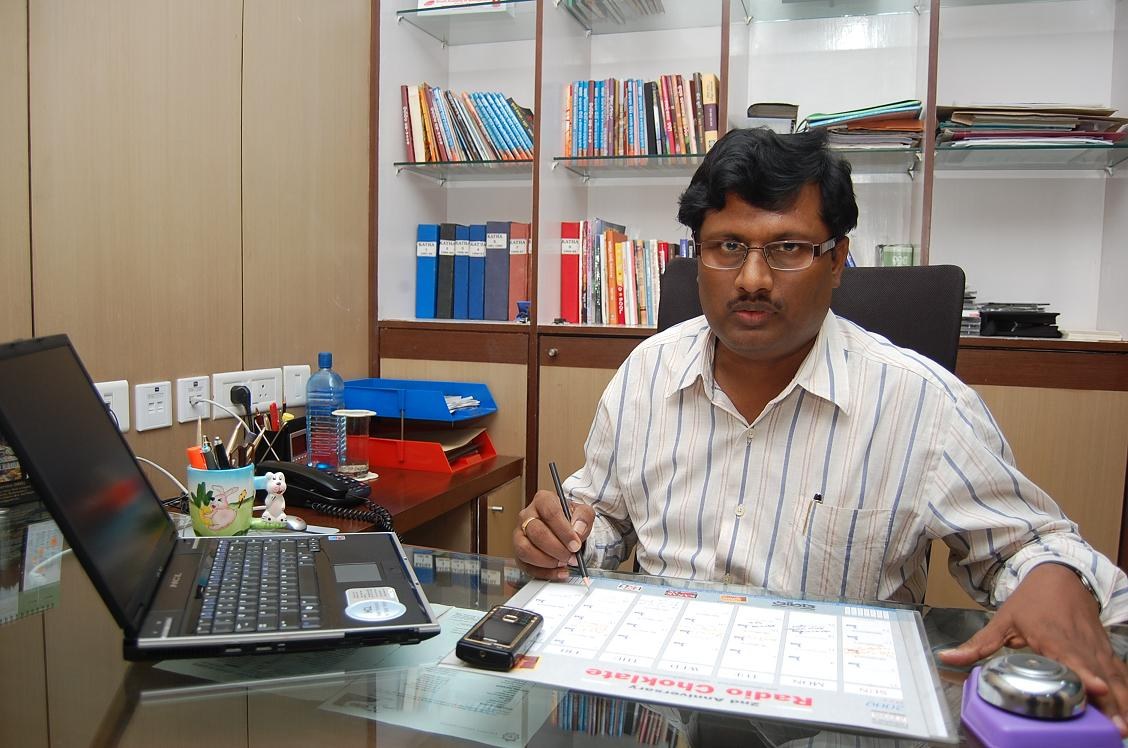
A constable wants a promotion. The man in his custody begins to speak. In Gourahari Das’s short story “The Culprit,” the encounter gradually unsettles the policeman’s sense of what that promotion would mean. Listening changes the weight of the case before him.1
ଗୌରହରି ଦାସ (Gourahari Das) writes across short fiction, novels, columns, essays, plays and translation.2 Cinema is one of the places that work has travelled; the literary life is larger.
Formative surroundings and education
The biographical account on his website places his beginnings in Sandhagara near the Mantei river. It describes growing up in a monastery amid financial hardship, then continuing his education with scholarships, studying at Ravenshaw and pursuing postgraduate study at Utkal University.3
What a short story can make us reconsider
The exchange between Nimai and Sanatan in “The Culprit” gives the detained man room to be heard. Read the complete story in Snehaprava Das’s translation at The Dreaming Machine, published through an exchange with The Antonym.1 The translator and journal bring that encounter to people who do not read Odia.
The description of The Little Monk and Other Stories on Das’s website introduces rural lives, uneasy family relationships and people living with unequal power.4 This is another route into his short fiction, alongside Kanta O’ Anyanya Galpa, the collection recognised by the Sahitya Akademi in 2012.5
Novels and the pressure of a choice
Panchaparba, published by Friends Publishers in 2019, gathers five novels: Chhayasoudhara Abasesha, Nija Sange Nijara Ladhei, Eithu Arambha, Apananka Ajnadhina and Kete Rangara Jibana. Its bibliographic description foregrounds women facing constraints on safety, choice and independence.6
One English reading route is The Labyrinth, translated by Manoranjan Mishra. Niyogi Books describes its central character, Draupadi, caught between reporting a crime and protecting her family.7 The dilemma is a useful question to carry into the novel: what happens when doing what seems right also threatens someone one loves?
The newspaper column and the editor’s desk
Das’s literary life also includes journalism. The Kalinga Literary Festival biography identifies Rajdhani Rajneeti, a Sambad column written as Sri Narada, and Jibanara Jalachabi, a column drawing on observations of life.8 The newspaper offers a different rhythm from the novel: a recurring conversation with readers, returning to public affairs and daily experience.
The 2022 Kolkata Literary Meet profile records him as Sambad’s features editor, editor of the literary monthly Katha, and principal of the Sambad School of Media and Culture.9
His website’s 2019 account also describes Katha’s young-writer competition and his theatre involvement.10 Editing brought him into contact with other writers’ work, including those entering through the young-writer competition.
Translation in both directions
Sahitya Akademi’s English catalogue lists The Nail and Other Stories, translated by Mona Lisa Jena from Kanta O’ Anyanya Galpa, in a 2017 edition.115
Das is also a translator into Odia. The Akademi’s 2021 Translation Prize recognises Chheli Chareibara Dina, his translation of Benyamin’s Malayalam novel Aadujeevitham, known in English as Goat Days.12 The 2022 Kolkata profile additionally records his translations of autobiographical work by Kuldip Nayar and Ruskin Bond.9
These journeys run both ways. Readers elsewhere encounter Odia fiction through translators such as Jena and Mishra; Odia readers encounter other literary worlds through Das’s translations. Translation is part of a living language’s curiosity, as well as its visibility.
Recognition and a reading route
Alongside the Akademi recognitions attached to his writing and translation, Das received the 2022 Sarala Puraskar, recorded by award organiser IMPaCT.13
For a first encounter, read “The Culprit” online. For a collection, explore The Nail and Other Stories or The Little Monk and Other Stories. For a longer fictional world, follow The Labyrinth or the novels gathered in Panchaparba. Together they offer several lengths and forms in which to spend time with his writing.
One journey from fiction to cinema
The IFFI account of ପ୍ରତୀକ୍ଷା (Pratikshya) credits a short story by Das as the film’s inspiration. Director Anupam Patnaik and lead actor Dipanwit Dashmohapatra bring another set of creative lives into that journey.14
The film companion explores the family drama. Ashok Palit’s interview with Patnaik names the source story as Bapa.15 The adaptation offers a way back to the writer, just as a book can send a reader towards theatre or a film.
In a December 2022 account, Das says he wrote Bapa in 2000 and that it appears in Rupa’s The Little Monk and Other Stories. He also recalls an earlier television film, BAPA, made by Nirmal Rout of Bhadrak.16
Recognition returned him to the film’s public life. Das reports being felicitated as Pratikshya’s original story writer at an OFDC event at Kalinga Studio on 24 October 2026. In his account, he names Roshan separately as screenwriter and Anupam Patnaik as director.17
A viewer coming from Pratikshya can return to Nimai and Sanatan in “The Culprit,” or to Draupadi’s dilemma in The Labyrinth. The film opens a door into a much larger body of writing.
Footnotes & Sources
-
Gourahari Das, The Culprit, translated by Snehaprava Das, The Dreaming Machine, 30 April 2022, courtesy The Antonym. ↩ ↩2
-
Author website, A Traveller, 11 July 2019. Prepared with writer inputs; birth-year accounts conflict. ↩
-
Author website, The Little Monk and Other Stories, bibliographic entry and description; Rupa edition, ISBN 978-81-291-1699-4. Publication date unverified. ↩
-
Sahitya Akademi, Akademi Awards, Odia, 2012, Kanta O’ Anyanya Galpa. ↩ ↩2
-
Author website, Panchaparba, Friends Publishers, 2019, collected novels volume 1. Catalogue description, not a reading of all five novels. ↩
-
Niyogi Books, The Labyrinth, synopsis and translator credit. Publisher synopsis; edition date unspecified. ↩
-
Kalinga Literary Festival biography, column names and pseudonym. Undated career account. ↩
-
Kolkata Literary Meet 2022, speaker biography and session dated 25 March 2022. ↩ ↩2
-
Author website, From page to stage, 1 August 2019, theatre and young-writer activity. ↩
-
Sahitya Akademi, English publications catalogue, The Nail and Other Stories, translated by Mona Lisa Jena, 2017, ISBN 978-81-260-5384-1. ↩
-
Sahitya Akademi, Translation Prizes, Odia, 2021. Award year distinguished from later announcement. ↩
-
IMPaCT, Sarala Puraskar recipients, 2022 entry for Gourahari Das. ↩
-
Press Information Bureau, IFFI53 account of Pratikshya, 23 November 2022. Underlying story unnamed. ↩
-
Ashok Palit, interview with Anupam Patnaik, The Pioneer, 14 December 2022, p. 2. ↩
-
Gourahari Das, public account of Bapa, 5 December 2022. ↩
-
Gourahari Das, account of the OFDC felicitation, 25 October 2026. These accounts do not disclose payment terms. ↩
Credit: Prothombyakti. Source · CC0 1.0 public-domain dedication ↩

Further reading
Suggest an update: share a book record, translation credit or precise correction. GitHub submissions are public; omit private contact details and consent documents.