
Odia cinemaLiterature and cinema
Jatindra K. Nayak: Carrying the Voice Across
In this article
From correcting magazine proofs to revisiting translations and answering readers’ questions.
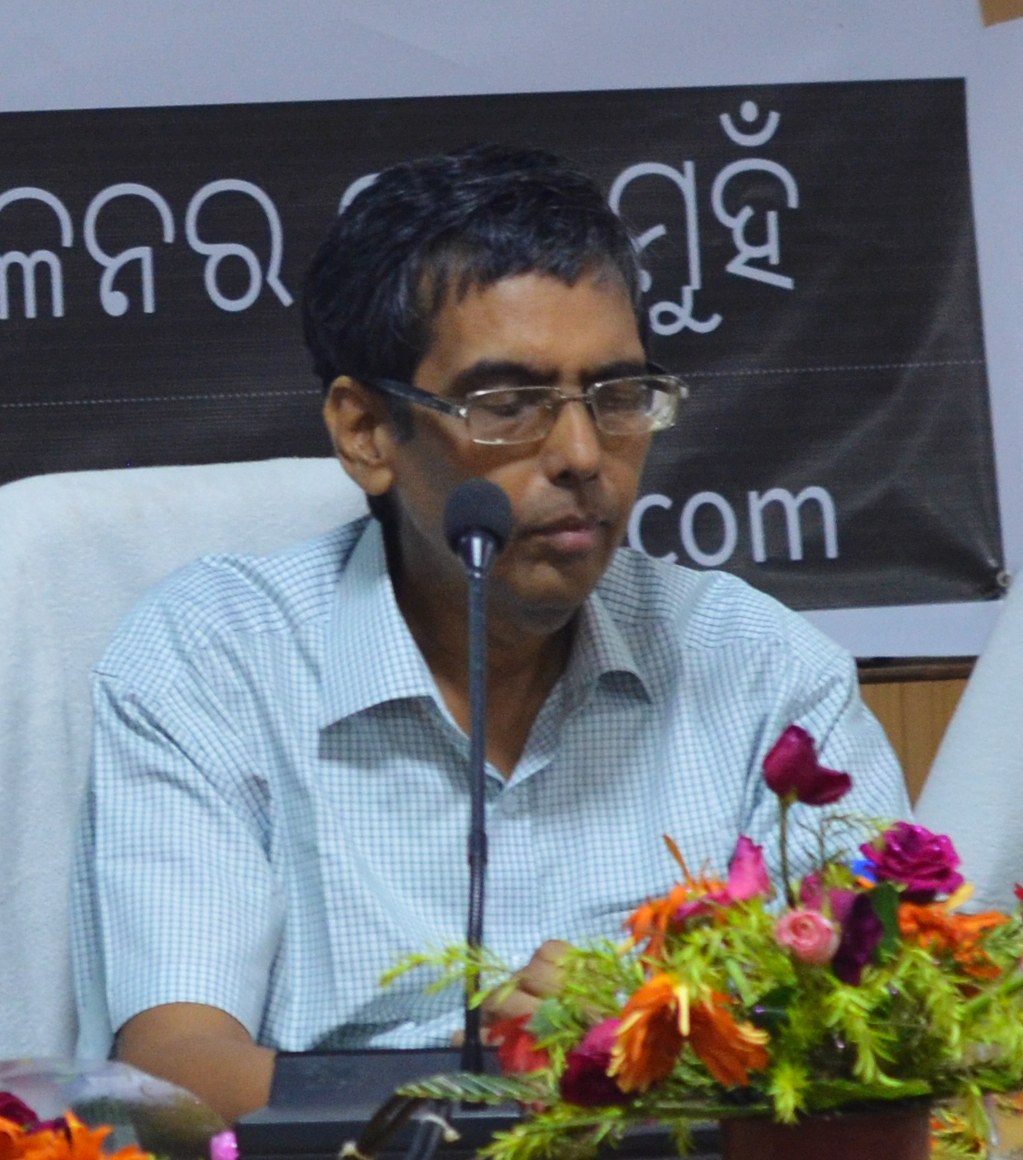
Before translation, there were proofs to correct. In a conversation with Murali Ranganathan, Jatindra K. Nayak recalled his father Kashinath managing the Primary Teachers’ Federation press in Puri. As a Ravenshaw student, he helped publish the magazines Sanskriti and The Ultra, spending long hours at presses checking their pages.1
Translation later became a way of approaching home from a distance. Nayak remembers beginning work on Fakir Mohan Senapati’s autobiography while at Oxford, trying to overcome homesickness.1 A familiar writer could offer company as well as a task: words to return to, and words that needed to find their way into another language.
A voice that can be reconsidered
A translation has to carry more than what happens. Who is speaking, and how close do they stand to the people in the story? A narrator’s affection, irony or impatience may depend on choices that seem small when considered one word at a time.
In an interview answer reproduced by Pramod Kumar Das, Nayak describes narrative tone and culturally rooted characters as challenges for the translator. He also says he would revisit his published translations: the work remains provisional.2
That willingness to return makes an English edition an invitation to further reading. A reader can follow the story and still wonder about a phrase, compare a passage or ask why a particular expression has been chosen. The translator’s name keeps those choices connected with a person.
Nayak translated Chandrasekhar Rath’s Yantrarudha as Astride the Wheel. The translation received the 2004 Hutch Crossword award for Indian-language fiction translation.3 Another route leads through Basanta Kumari Patnaik’s short fiction, where her translator’s account brings the difficulty of an idiom close to an ordinary household.
Books need occasions to meet readers
His interest in print also took an institutional form. In the same 2021 conversation, Nayak describes work at Sikshasandhan collecting local histories, older textbooks and life writing. He recalls helping organise a publishing seminar and introducing a university course on publishing.1
Sikshasandhan’s book list includes Sarat Chandra Pujari’s autobiography, Nijaswa Chitranatya Smrutipatha, a title that also belongs among the lives beside cinema’s histories. Its library description reaches towards younger readers too, with Odia and English children’s books and storytelling sessions.4 For a reader of cinema, Pujari’s memoir offers a route back from the screen to the page.
The questions did not remain on the printed page. At Rama Devi Women’s University on 4 March 2022, Nayak discussed Astride the Wheel with students. The department’s account describes attention to the challenges of translating a culturally specific novel; students continued asking questions after lunch.5
There is room for a reader in that continuing conversation. Begin with a story or a chapter, keep the author and translator beside it, and notice a sentence you would like to ask about. The Six Acres and a Third reading offers another place to begin.
Footnotes & Sources
-
Murali Ranganathan, “Print History: Jatindra Kumar Nayak — Print Culture in Odisha,” PrintWeek, 16 April 2021. ↩ ↩2 ↩3
-
Pramod Kumar Das, Translation Today 15(2), 2021, p. 271; reproducing Nayak’s 2020 interview answer. ↩
-
Oxford University Press, Astride the Wheel, translator and award credit. ↩
-
Sikshasandhan, book list, PDF pp. 2, 5, row 48; library description. ↩
-
Rama Devi Women’s University, English department report, 2021–22, PDF pp. 8, 11. ↩
Credit: Subhashish Panigrahi. Source · CC BY-SA 4.0. Creator-cropped photograph; online preview cropped. ↩

Further reading
Suggest an update: share a precise source or correction. GitHub submissions are public; omit private contact details and consent documents.