
Odia cinemaA Shared Storytelling World
Manglu Charan Biswal: Words for the Stage and the Page
In this article
Beyond the film Bhukha lies a writer’s work across plays, poems and children’s stories, and a later translation that returns us to the play.
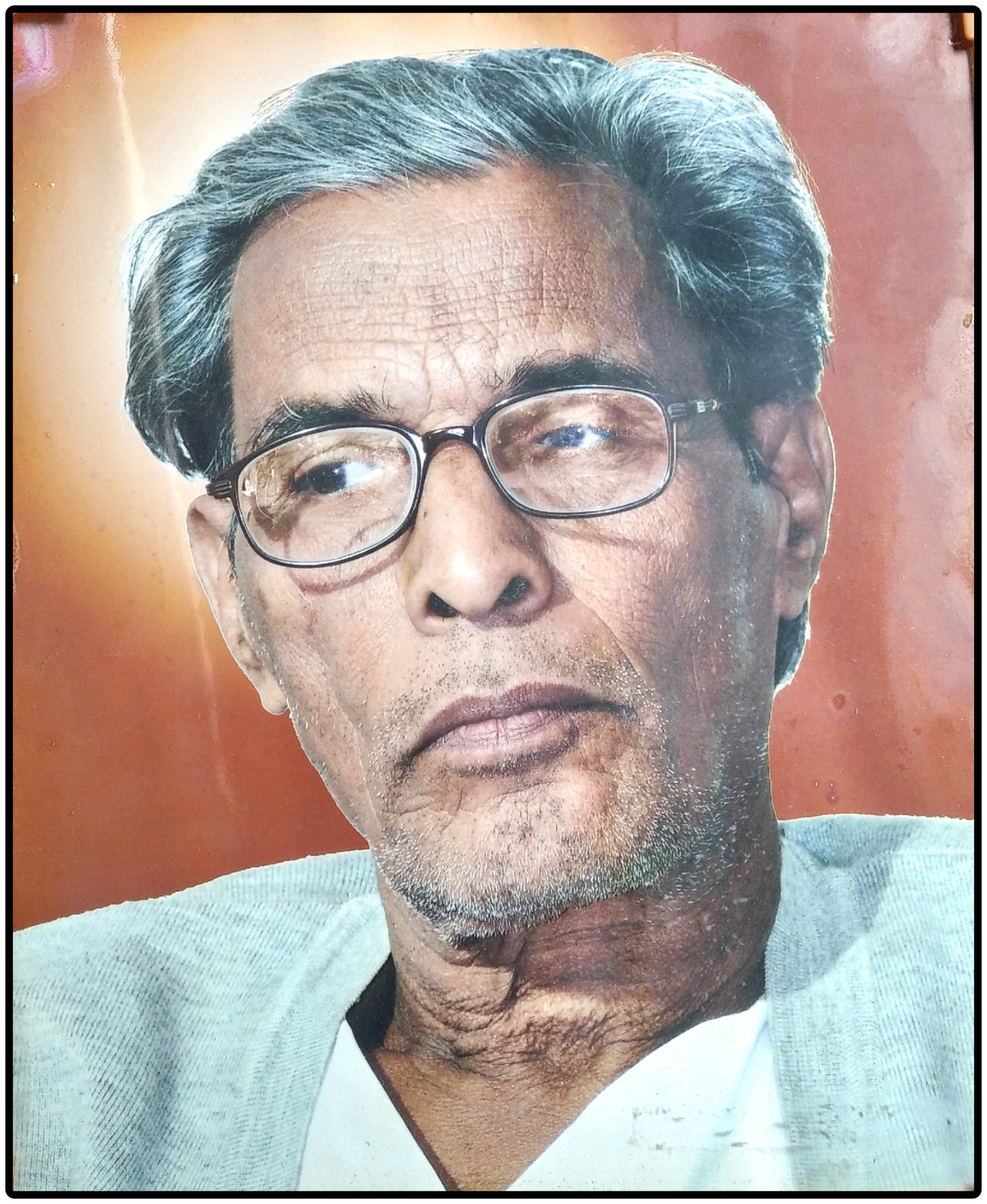
A film can keep a play’s name in circulation. A translation can bring us back to its words. In 2023, Hachette India published The Starved, Nirjharini Tripathy’s English translation of Manglu Charan Biswal’s ଭୂଖା (Bhukha).1 For someone who knows the title through cinema, the book offers another encounter: with the writing from which the film began.
Biswal was a teacher, poet and playwright.1 His literary life extended across plays, poems and children’s stories in both Sambalpuri and Odia.2 Following him beyond a single adaptation means making room for those different readers and listeners too.
A place, and a life of writing
He was born in Pitapali in 1935.1 The village was later submerged following the construction of Hirakud Dam. Reporting his death in 2022, PTI named works including Daria Parira Kabita, Astaragara Kabi, Di Dhara Luha, Agnisambhaba and Ananya.2
These titles open a larger writing life beyond the familiar connection between Biswal and Bhukha.
The people behind the performance
His other plays include Luraa, Ulgulaan, Baruaa, Maa Samlei and Udlaa Patar Budlaa Danga. Hachette’s introduction to The Starved describes five Bajnias, professional rural folk performers, facing poverty, caste discrimination and a declining livelihood.1
The performers’ circumstances belong beside their art. A play can keep both within view: the pleasure of a performance and the lives its makers must sustain between engagements.
Bhukha belongs to his Sambalpuri writing; his wider literary life also includes work in Odia.
Returning from the screen
Biswal’s Sambalpuri play became the basis of Sabyasachi Mohapatra’s film Bhukha.3 The film reading follows its music, audiences and circulation. Here, the connection brings the playwright into the foreground.
The English translation makes it possible to place the play beside the film and consider what each does with the performers’ story.
The page behind the screen follows other writers through these exchanges. Biswal’s name asks us to remember that a film’s source has a life of its own—and that there may be poems, children’s stories and other plays waiting beyond the work we first encountered.

A play waits for another company.
Footnotes & Sources
-
Hachette India, The Starved, 2023, author biography and synopsis; Journal of Literature & Aesthetics, July–December 2024, p. 158, Nirjharini Tripathy’s contributor biography identifies her translation. ↩ ↩2 ↩3 ↩4
-
PTI, “Odia litterateur Manglu Charan Biswal dies at 86,” The Indian Express, 12 January 2022. ↩ ↩2
-
Riyan Ramanath V, “Film highlights struggle to survive in rural Odisha,” The Times of India, 28 November 2012; source-play attribution. ↩
Further reading
Suggest an update: share a publication record, performance programme or precise correction. GitHub submissions are public; omit private contact details and consent documents.