
Odia cinemaSongs and Voices
Prafulla Kar: A Composer in the Company of Voices
In this article
Begin with a friend’s remembered song, then follow Prafulla Kar through the singers and writers who shared his musical work.
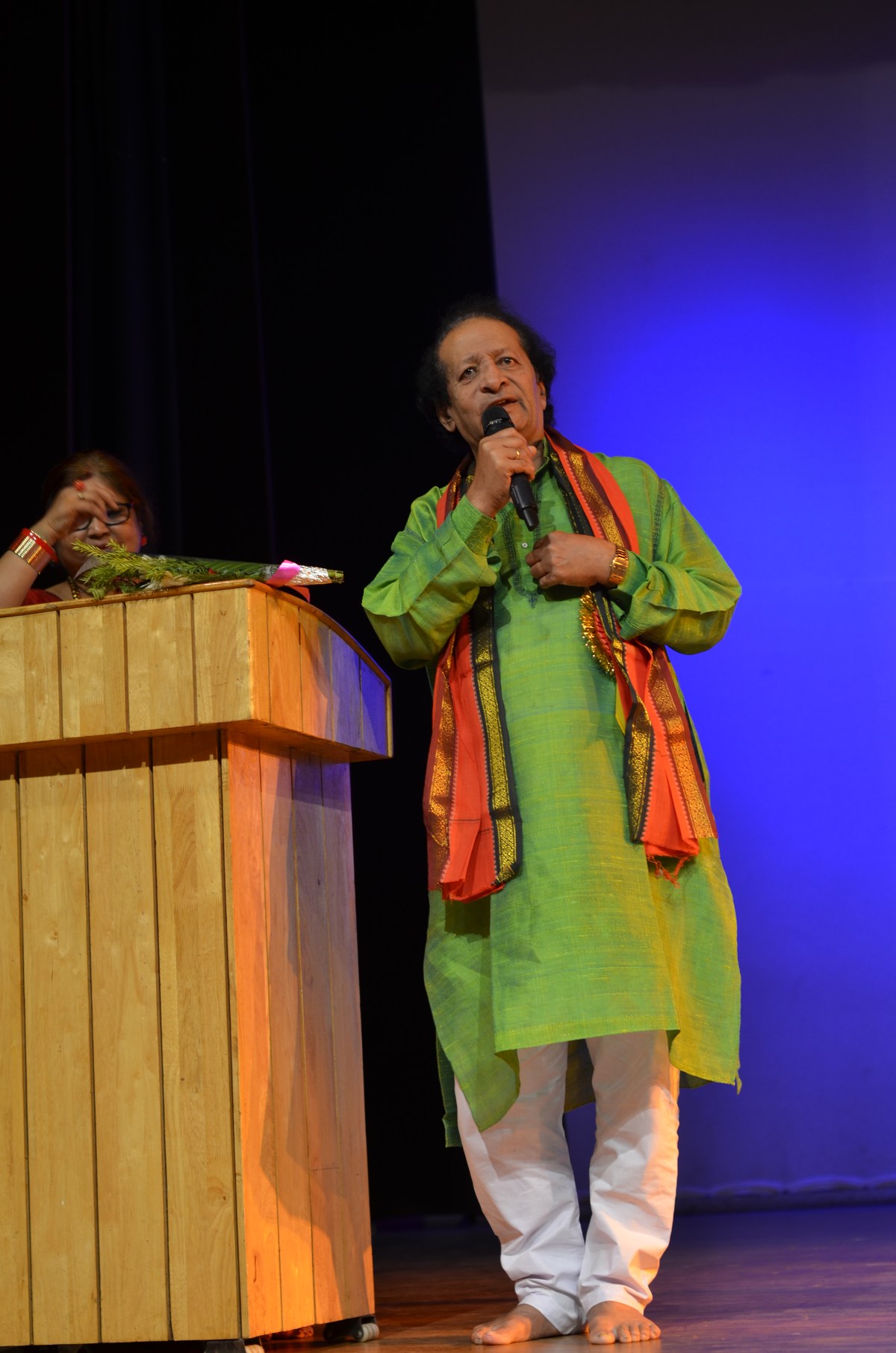
Pranab Patnaik remembered a birthday request. At a celebration for Prafulla Kar at Rabindra Mandap, Kar asked him to sing his compositions “Majhire” and “Re Atman.” Recalling their long friendship after Kar’s death, Patnaik kept that occasion among his memories.1
In Pranab’s story, a song could recall years of working with its composer. Here it was also a request from a friend.
A singer who made music for others
Kar entered film playback with ଶ୍ରୀ ଶ୍ରୀ ପତିତପାବନ (Shri Shri Patita Pabana) in 1962 and made his debut as a film music director with ମମତା (Mamata) in 1975.2 These were different responsibilities within the same musical world: singing a part and shaping music for a production.
His work also reached the microphone through All India Radio and Doordarshan. The Sangeet Natak Akademi’s 2015 citation describes him as a vocalist, composer and lyricist.3 Individual recordings bring those roles into focus.
A soundtrack with several companions
The cinema-music reading follows two of Mamata’s duets, composed by Kar with lyrics by Sibabrata Das.45
Another song, “Mu Ta Manisha Marini,” gives Sikandar Alam the singer’s credit, Kar the music-direction credit and Sibabrata Das the lyric credit.6 Kar and Das worked across these changing combinations of voices.
Hearing the composer sing
The distributed soundtrack listing for ଶେଷ ଶ୍ରାବଣ (Sesa Srabana) credits him as composer and main artist for “Kali Kapali.”7
His musical range also included compositions for Odissi dance dramas.2 Film, broadcast and dance place music in different relationships with words, performers and an audience. The AIR Cuttack reading follows one of those wider settings, where a song could have a life beyond its place in a film.
Recognition, and the recordings that remain
The Sangeet Natak Akademi honoured Kar for Sugam Sangeet in its awards for 2015, presented on 4 October 2016. He also received the Padma Shri in 2015.32 Earlier, the Odisha Society of the Americas recorded its own 2012 lifetime achievement award for his contributions as singer, music director, composer and lyricist.8
Pranab’s birthday recollection leaves a more personal invitation: return to “Majhire” or “Re Atman,” the songs Kar asked his friend to sing.
A friend asks for a song.
Footnotes & Sources
-
Pranab Patnaik, as told to Minati Singha, remembrance of Prafulla Kar, The Times of India, 19 April 2022. ↩
-
Prafulla Kar’s musical career, The New Indian Express, 18 April 2022. ↩ ↩2 ↩3
-
Prafulla Kar, Sangeet Natak Akademi Awards 2015, citation, p. 16; PIB award-presentation record, 4 October 2016. ↩ ↩2
-
Saregama Odia, “Re Mita Aa Sangata”, recording credits; the description also lists unnamed other singers. ↩
-
Saregama Odia, “Dekhi Se Banamalli”, recording credits. ↩
-
Saregama, “Mu Ta Manisha Marini”, recording credits. ↩
-
Sesa Srabana soundtrack, Qobuz, Saregama release; “Kali Kapali” credits. ↩
-
Odisha Society of the Americas, Utkarsa, September 2012, pp. 13–14. ↩
Credit: Subhashish Panigrahi. Source · CC BY-SA 4.0. Resized for display. ↩

Further reading
Suggest an update: share a recording credit, a documented collaboration or a precise correction. GitHub submissions are public; omit private contact details and consent documents.