
Odia cinemaSongs and Voices
Odia Cinema Music: The Songs We Carry Home
In this article
A song can send us from a familiar voice to a composer, a lyricist or a singer we have yet to discover. Follow that shared work across generations.
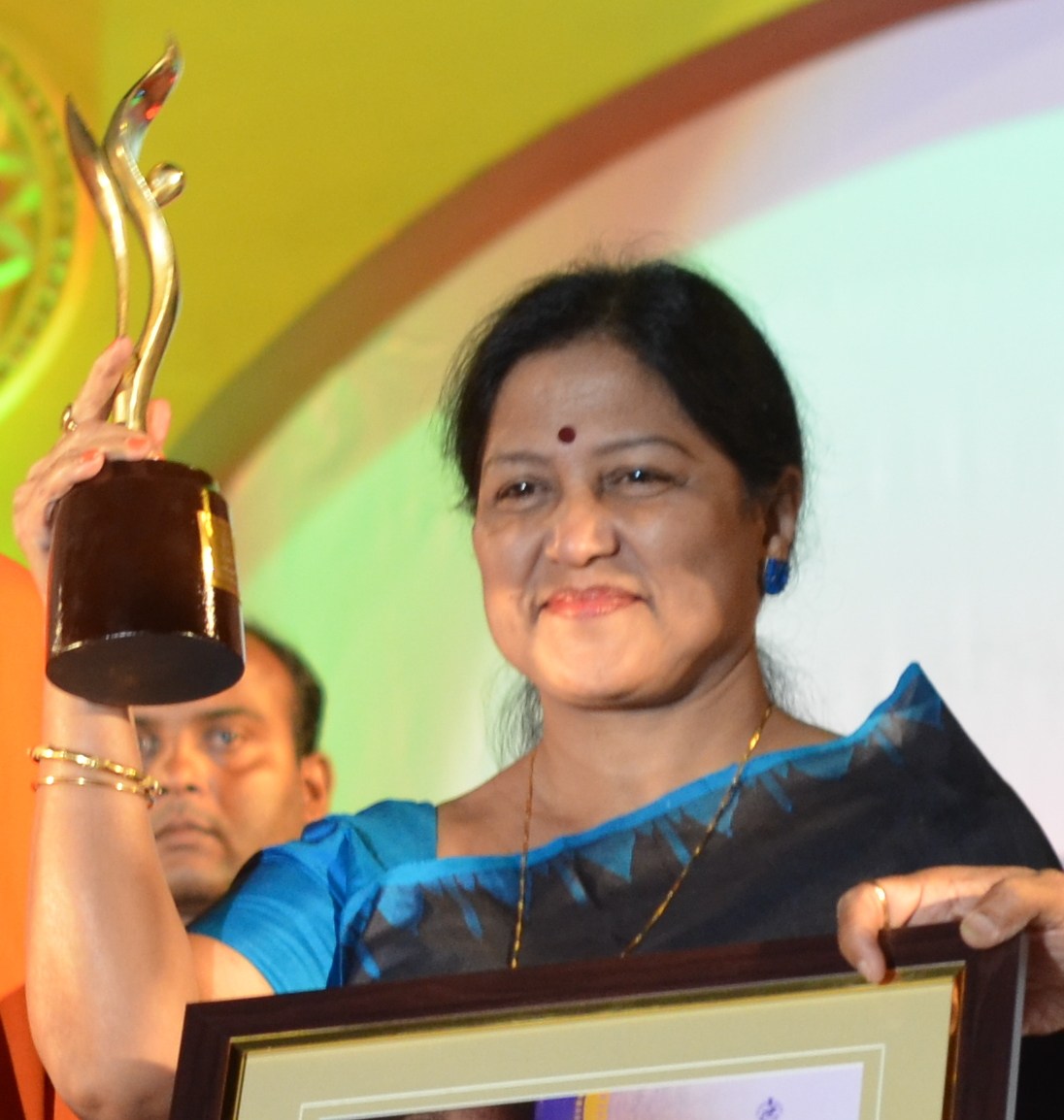
A song can be the part of a film we keep closest. We may forget the order of its scenes and still want to hear a voice again. Following that wish can lead us back into the film—or towards another singer, another soundtrack, another person whose name deserves a place beside the melody.
Take ମମତା (Mamata). “Re Mita Aa Sangata” brings Pranab Kishore Patnaik and Sikandar Alam into the same recording, with music by Prafulla Kar and words by Sibabrata Das.1 Elsewhere on the soundtrack, Chitta Jena and P. Susheela sing “Dekhi Se Banamalli,” again with Kar’s music and Das’s lyrics.2
The poem inside the soundtrack
A novel can give a film its story while other writers supply its songs. In ମଲାଜହ୍ନ (Malajanha), Upendra Kishore Das’s name appears above the title, while Kabisurya and Banamali appear under lyric-writing. The singing credits include Kalyani Bhattacharya, Nandita Ghosh, Pranab Patnaik and Akshaya Mohanty.3
“ଗଲାଣି ତ ଗଲା କଥା, ରେ ସଙ୍ଗାତ !”—“What is past is past, my friend.” The opening belongs to Kabisurya Baladeva Rath’s Ga Champu in Kishore Chandrananda Champu, reproduced in Kalicharan Pattnaik’s Champu Prabesha.4 The film excerpt of “Galani ta gala katha” credits Akshaya Mohanty as singer and composer in its upload description.5
Kavisurya Baladeva Rath and Banamali Das also appear in Srjan’s account of the poetry performed in Odissi abhinaya.6 Following these names offers a path from a film’s soundtrack to dance, and back to the written word.
Kalicharan Pattnaik’s ସିନେମା ସଙ୍ଗୀତ (Sinema Sangita) (1941) brings another kind of page into this musical story. Its opening entry places Hindi and Odia song texts side by side, then aligns their syllables beneath shared musical notation.7
The Biyott Projna Tripathy profile follows another meeting of poetry, music and filmmaking in Yogini.
The possibilities inside a voice
Pranab Patnaik described that shared work from a singer’s side. In a 2017 interview, he remembered successive composers finding different possibilities in his voice. His profile follows that learning through composers, languages and regular practice.8
That is a generous way to approach a long career: listen for what changes when a familiar singer works with a different composer. Recognition of a voice can sit beside the surprise of hearing it do something new.
Women in the shared musical story
Geeta Patnaik joins Akshaya Mohanty in “Danei Das Kahere Bhai” from ଯାଯାବର (Jajabara); Trupti Das sings with him in “Gadi Chale Pachhei.” Saregama credits Mohanty as the film’s composer.9 His dedicated profile follows these exchanges more closely, alongside the writers who worked with him.
Bhubaneswari Mishra offers another starting point with “Tiki Mora Naa Ti” in କୃଷ୍ଣ ସୁଦାମା (Krushna Sudama).10
The movement between recordings and listeners also reaches beyond the cinema hall. The AIR Cuttack story follows broadcasting as another setting for words and music. A singer’s work may be encountered through a film, a radio recording or a concert; each encounter can prompt us to look for the others.
The stage brought these kinds of work together too. Gopal Chhotray’s stage adaptation of Basanta Kumari Patnaik’s ଅମଡ଼ା ବାଟ (Amada Bata) credits Narasingha Mahapatra with lyrics, Balakrushna Das with the musical setting and Samuel Sahu with direction.11
Tapu’s choices, and a newer duet
Tapu Mishra’s work reached beyond film playback to stage performance and the non-film Hindi single “Bali Umariya.” Her profile follows her choices and plans for making songs.12
Her voice also meets Humane Sagar’s in the title song of ଇସ୍କ ତୁ ହି ତୁ (Ishq Tu Hi Tu). The recording credits both singers, Abhijit Majumdar as composer and Nizam as writer.13 Reporting on Sagar’s career identifies the 2015 film’s title track as a breakthrough.14
Other voices to follow now
Aseema Panda’s training began with Odissi music under Prafulla Kumar Sahoo, followed by Hindustani music under Artatrana Bhola. In her account, that learning sits beside the film work for which she received state best-singer recognition, ମୁଁ ଖାଣ୍ଟି ଓଡ଼ିଆ ଝିଅ (Mu Khanti Odia Jhia).15
Diptirekha Padhi and Sabisesh Mishra share “Bhala Paigali Tate” from ତୁ ମୋ ଲଭ୍ ଷ୍ଟୋରୀ-୨ (Tu Mo Love Story 2), as the official Tarang Music recording credits show.16
Journeys beyond Odia film
An Odisha musician’s wider career can introduce another language or another form of performance. Krishna Beura recalled Salim Merchant recommending him for “Maula Mere Lele Meri Jaan” in the Hindi film Chak De! India. He credited Salim–Sulaiman with the composition and Jaideep Sahni with the words; the label names Krishna and Salim Merchant as singers.1718 The connection is part of Hindi playback history, carried by an artist from Odisha.
Sona Mohapatra’s “Ambarsariya” in the Hindi film Fukrey brings another collaboration into view: Ram Sampath composed the music and Munna Dhiman wrote the lyrics.19
Rituraj Mohanty sang “Sahib” for the Hindi film Bhoothnath Returns, also with music by Ram Sampath and lyrics by Munna Dhiman.20 His victory in India’s Raw Star in November 2014 belongs to television, a separate achievement from that film recording.21 The two settings offer different ways an audience might first encounter the same singer.
Keeping the work beside the song
The literature and cinema reading begins with writers. Music brings that question close to the ear: whose words are these, who shaped the tune, and who performed it? A concise, dependable credit can help the next listener find all three.
Krishna Beura also spoke in favour of live recording, where singers and instrumentalists could work together and musicians could earn from the session.17 His preference brings the people making the accompaniment into the conversation about a singer’s work.
There is practical work here for producers and labels. Agreements could make payment, credit and permitted uses clear before recording begins; a release could carry complete contributor information alongside the audio. Reissues could retain the earlier recording’s identities while distinguishing a new arrangement or performance. Such agreements would need to fit the particular recording and the people making it.
The cinema economics reading asks how money moves through a production. Music belongs in that conversation: singers, lyricists, composers and instrumentalists need paid work as well as recognition. For listeners, a smaller action is available now. Follow an official recording, read its credits, and let a familiar song introduce someone new.
Footnotes & Sources
-
Saregama Odia, “Re Mita Aa Sangata”, recording credits. ↩
-
Saregama Odia, “Dekhi Se Banamalli”, recording credits. ↩
-
Malajanha, original opening credits, 00:18, 00:58 and 01:05. ↩
-
Kalicharan Pattnaik, Champu Prabesha, pp. 15–16 (Odia Bibhaba/Srujanika scan). ↩
-
odia melody, “Galani ta gala katha,” film excerpt, upload description, 11 October 2012; Malajanha, matching scene, 1:39:20–1:41:35. ↩
-
Srjan, Odissi repertoire, “Abhinaya.” ↩
-
Kalicharan Pattnaik, Sinema Sangita, first printing 1941, title page and pp. 1–4; Odia Bibhaba/Srujanika scan. ↩
-
Minati Singha, interview with Pranab Patnaik, The Times of India, 1 December 2017. ↩
-
Saregama’s Odia catalogue, Jajabara recording credits. ↩
-
“Noted Odia vocalist Mishra passes away”, The New Indian Express, 20 February 2016. ↩
-
Gopal Chhotray, Amadabata, Annapurna B-group stage credits, Bibhaba/Srujanika scan, PDF p. 5. ↩
-
Interview with Tapu Mishra, OdishaBytes, 14 February 2018. ↩
-
“Ishq Tu Hi Tu,” official distributed recording, singer, composer and writer credits. ↩
-
Humane Sagar’s film-music career, The Times of India, November 2025. ↩
-
Interview with Aseema Panda, My City Links. ↩
-
Tarang Music, “Bhala Paigali Tate”, ତୁ ମୋ ଲଭ୍ ଷ୍ଟୋରୀ-୨ (Tu Mo Love Story 2) recording credits. ↩
-
Amanda Sodhi, interview with Krishna Beura, Planet Bollywood. ↩ ↩2
-
Yash Raj Films, “Maula Mere Lele Meri Jaan”, singer and lyricist credits. ↩
-
T-Series, “Ambarsariya”, Fukrey recording credits, 2013. ↩
-
“Rituraj Mohanty Wins India’s Raw Star”, NDTV, 1 December 2014; competition concluded 30 November. ↩
Credit: Subhashish Panigrahi. Source · CC BY-SA 4.0. Cropped version; resized for display. ↩

Further reading
Words, music and filmmaking
Suggest an update: share a recording credit, a documented collaboration or a precise correction. GitHub submissions are public; omit private contact details and consent documents.