
Personal essay · Bhubaneswar
A Week in Bhubaneswar: Conversations and New Beginnings
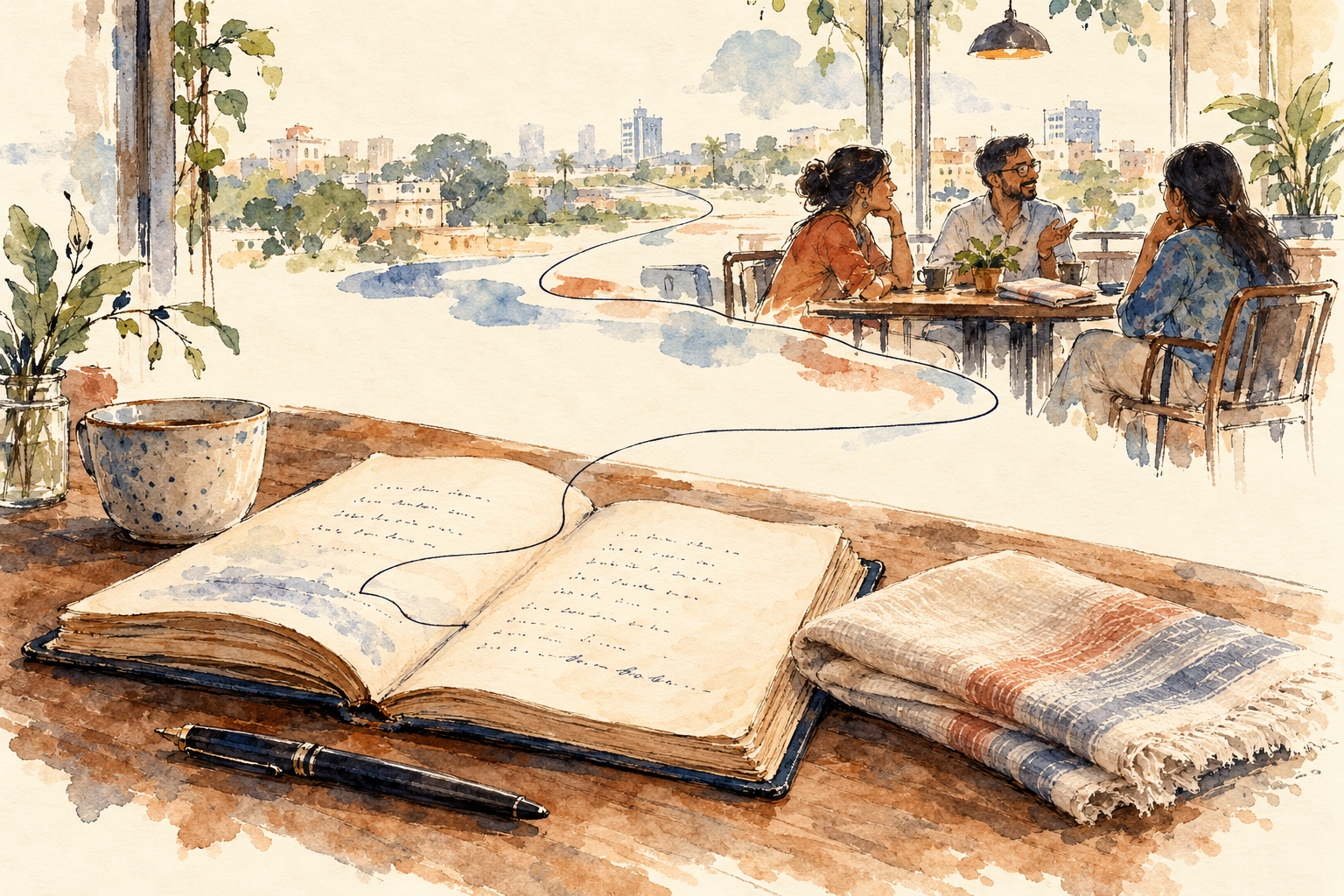
I have been in Bhubaneswar for a week—and what a week it has been.
It began with Sabyasachi Supper Club. Then came meetings with writers, young entrepreneurs, filmmakers and creative people. So many conversations. Some brought me back to people I have known since childhood; others introduced me to people I hope to know for a long time.
The beginning of this journey, though, was a small experiment during my last trip to the United States.
An old poem finds a new voice
One weekend during my last trip to the United States, I had a little time to spare and a few ideas to play with. I returned to “I Am Free to Dream,” a poem I had written as a teenager, and began turning it into music.
Words from my younger self found a new voice. I followed it, without knowing where it would lead—to familiar faces, new friendships, and stories of Odisha I had yet to discover.
That exploration is still unfolding at Kabita Without Borders. This week brought many of its threads together: the writing, the things I have been building, and the people whose encouragement has helped me continue.
Returning to people I have known since childhood
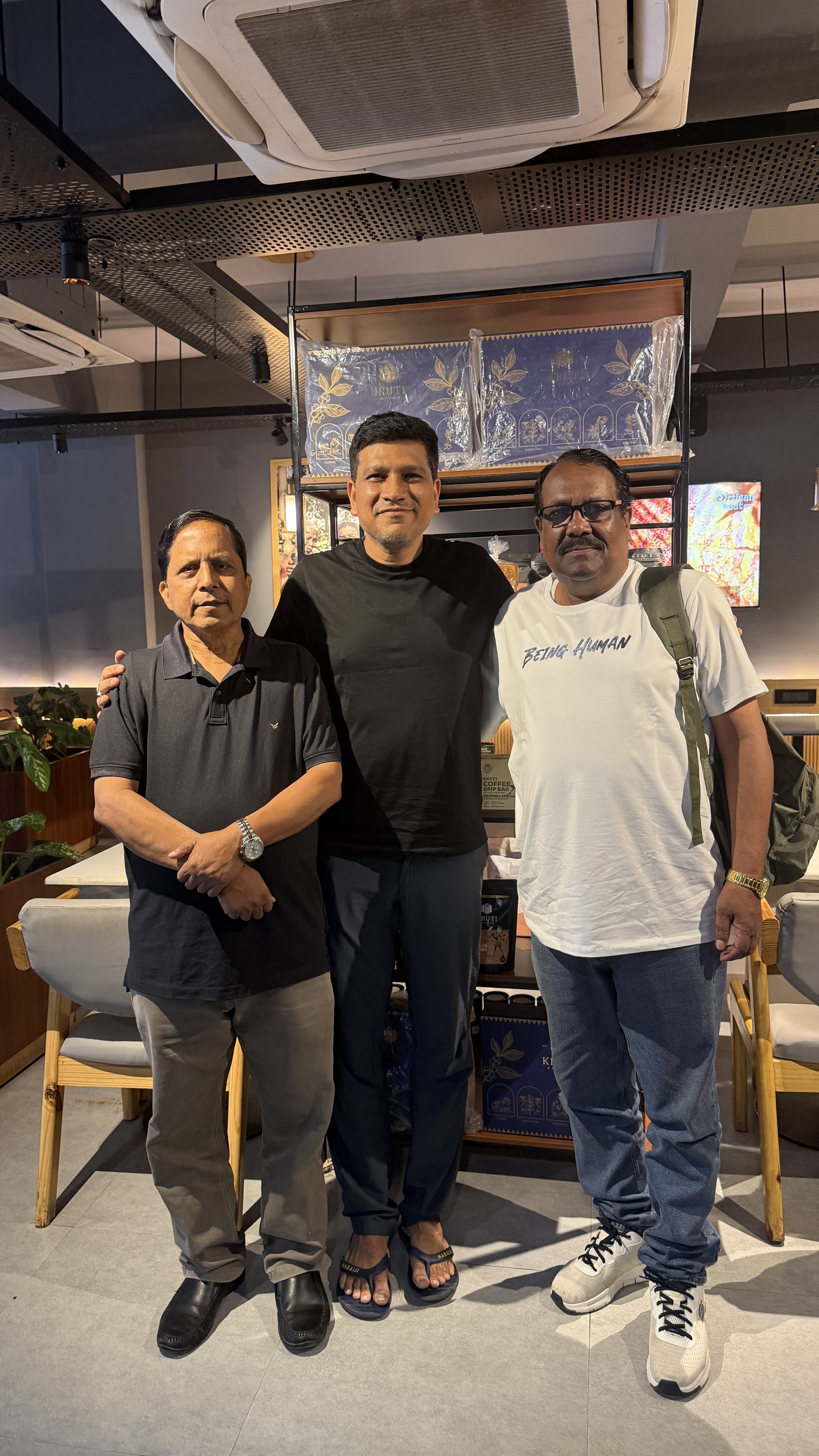
Sri Pradeep Biswal and Sri Paresh Patnaik have been an important part of this journey. I have known both since my teenage years, and my affection and respect for them go back long before these recent projects.
When I began wondering what I could contribute to Odia literature, I circled back to them. They gave me opportunities to get involved. That encouragement was enough to motivate me to do more.
I am grateful to Sri Pradeep Biswal and Sri Paresh Patnaik for making room for me in this world again. I hope we have a long journey ahead, and that I can contribute something useful to Odia literature along the way.
A portal for poets, a foundation for writers
My own experiment with poetry led me to build Kabita Poet Studio, a portal where poets can write and revise, organise their work, prepare manuscripts and decide what to share. I hope it can support the patient work behind a finished poem—the drafts, the reconsiderations, the words that take time to find their place.
Building it has given me something concrete to offer. Talking with writers will help me understand what to improve and how useful it can become.
This week, I also registered the Pravakar Satapathy Foundation. The foundation will provide grants to help writers publish their books. We are considering an award for young writers as well, with the details still to be worked out.
Having felt the value of encouragement myself, I hope we can offer writers practical help with their next step. Registration is a beginning; now comes the work of making that support useful.
Learning to look again
Learning about textiles—Dongria traditions, Kotpad and so much else—has been a mind-blowing experience for me. I find myself looking at cloth with new curiosity: who made it, how it was made, and what knowledge it carries. My exploration of Kotpad textiles is one part of that learning.
This week, I also met a young woman entrepreneur, and we talked about making products and making sure money reaches the artisans who make them. That matters to me: alongside our appreciation of the craft, there must be something tangible in the hands of the people behind it. It was a conversation about what we could build, and whom that work should benefit.
Prahalad Natak has drawn me towards Odisha’s performance traditions and made me aware of how much I still have to learn. Writing about Pala was something I would once have found hard to imagine. A personal experiment with a poem had opened a path towards other ways poetry and stories live among people.
Then came an even more personal discovery: researching my own name, Ahimanikya. It led me into the story of Ahimanikya and Sashisena. A name I had carried all my life had become a reason to read, ask questions and explore.
I could hardly have imagined any of this when I began making that song. Each subject has given me another reason to pay attention to the place I come from, and to the people who keep its stories and skills alive.
Stories on screen and in conversation
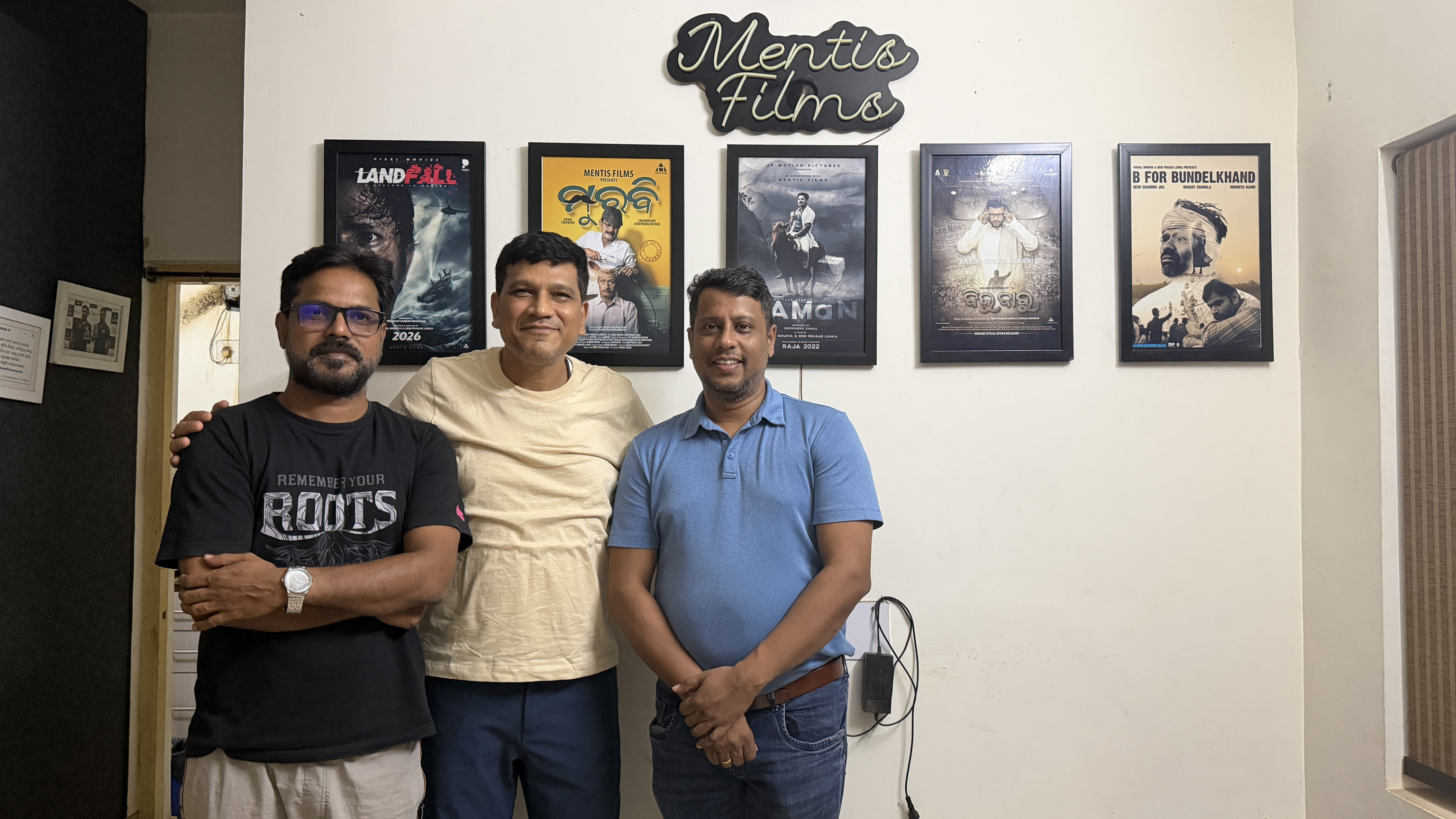
During the week, I met Vishal Mourya and Debi Prasad Lenka, the directors of Daman, along with its producer, Deependra Samal. We met twice. I was amazed by their energy and willingness to do things, and I hope we will work together in some form.
I also met the young heritage storyteller Shakti Badjena three times. I loved his passion for Odisha’s history and what I found to be an open, unbiased way of telling its stories. He is a gifted storyteller, and I enjoyed the chance to keep listening and learning through our conversations.
Writers, filmmakers, storytellers—each meeting brought a different way of thinking about the stories we tell. I came away with plenty to think about, and plenty I want to write about.
When people say, “Nothing will happen here”
Many people say that nothing will happen here. This week gave me reasons to feel otherwise.
I met people who were writing, creating, building and sharing what they knew. There was encouragement from people I have known for years, and energy in conversations with people I had only just met. Their willingness to do things stayed with me.
A good week does not make every difficulty disappear. There is plenty of work ahead, including on my own projects. But I find it hard to accept that nothing can happen when I have just spent time with people so willing to begin.
For my part, I want to follow through: keep improving the poets’ portal, shape the foundation’s grants carefully, continue writing and learning, and stay connected with the people who have encouraged me.
I am grateful to everyone who made time for me this week. I do not yet know where all these beginnings will lead. I am glad I returned to that old poem, and glad I kept following the voice it found.
A week in Bhubaneswar. So much talking. So much learning. And so much I still want to do.
Further reading
Suggest an update. GitHub submissions are public; omit private contact details and consent documents.