
Odia cinemaA Shared Storytelling World
Kanhu Charan Mohanty: The Household and the Wider World
In this article
A working life in government and literature, and novels that carried questions of home and society towards the screen.
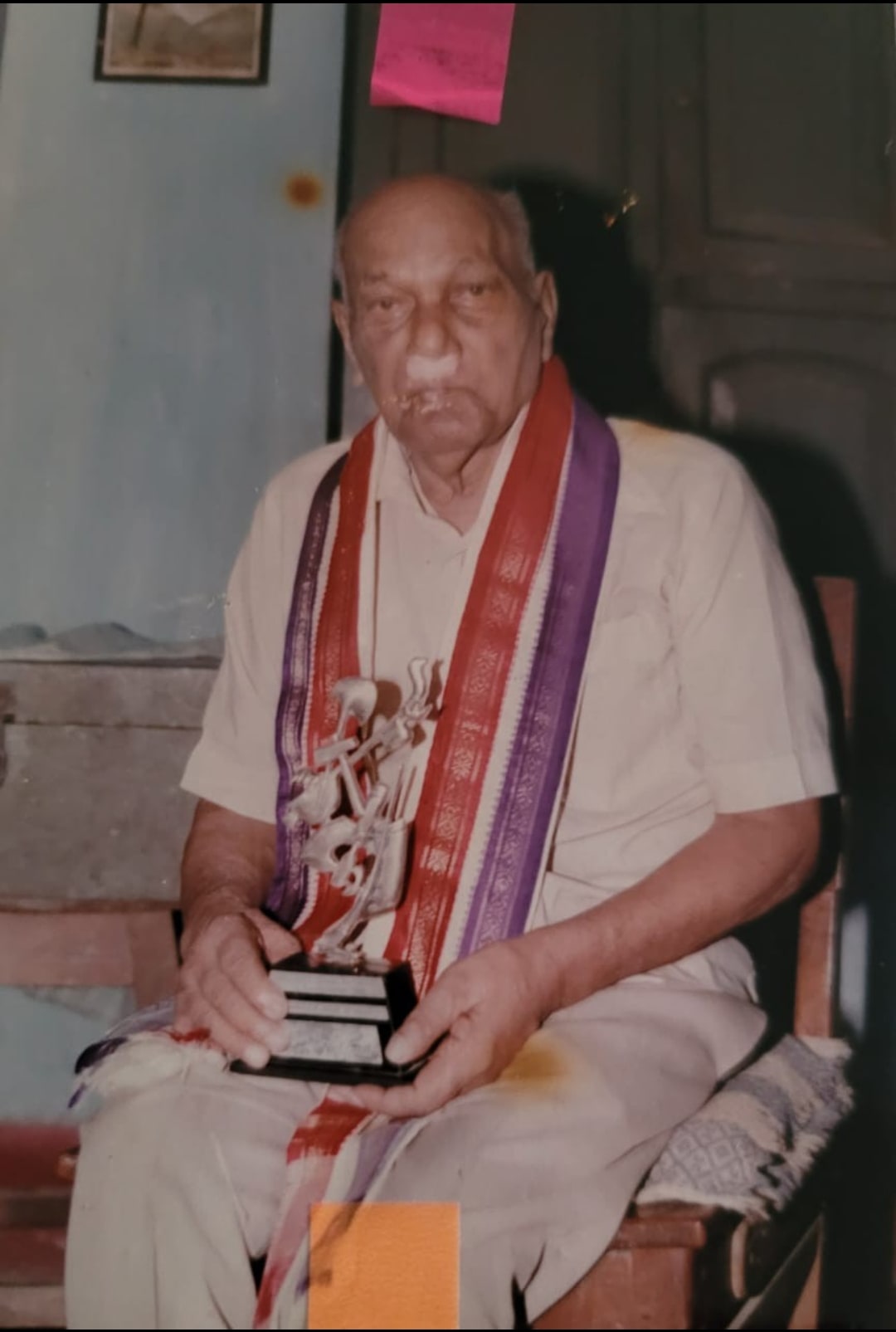
An unpublished manuscript can hold the beginning of a writing life. Kanhu Charan Mohanty wrote Utshabe Byasane in 1923–24; it remained unpublished and was later untraced. The books that followed included Ha Anna in 1935, Sasti in 1946, Abhinetri in 1947 and କା (Kaa) in 1956.1 Behind a familiar film title lies this longer companionship with writing.
Making room for the page
Financial constraints interrupted Mohanty’s engineering studies. He graduated from Ravenshaw in 1929 and entered government service in 1931. Retirement came in 1964, followed by three years as secretary of the Odisha Sahitya Akademi.1
Writing continued through those working years: Ha Anna, Sasti, Abhinetri and Kaa appeared before his retirement.
Kaa received the Sahitya Akademi Award in 1958.1 This was recognition of the literary work. The novel’s later life on screen would involve another set of makers and decisions.
Home opens towards society
A critical discussion in Orissa Review connects Ha Anna and Sasti with famine, its aftermath and social inequality. It also considers widow remarriage in Nishpatti, placing rural relationships, poverty and social conventions within Mohanty’s fiction.2
These concerns suggest why the household can be such a demanding subject for a novelist. Decisions about marriage, food and belonging are intimate, but the freedom to make them is not shared equally. Reading Mohanty offers an opportunity to follow how such pressures enter relationships, rather than treating home as a world sealed off from public life.
His work belongs beside the other writers in this collection without becoming interchangeable with them. Basanta Kumari Patnaik brings another attention to domestic life; Kalindi Charan Panigrahi offers another encounter with family and land. Their books leave room for readers to discover differences as well as connections.
A novel finds other voices
The film Kaa credits Mohanty’s novel as its source, Sarada Naik for screenplay and dialogue, and Siddharth for direction: Ram Chandra Thakur, Gour Ghose and Parbati Ghose.3 Following Parbati Ghose’s work brings that partnership into view.
ଅଭିନେତ୍ରୀ (Abhinetri) also reached the screen, in a 1965 film directed by Amar Ganguly under Chhayabani Pratisthan.4 These adaptations are part of Mohanty’s continuing presence in cinema. They also offer a reason to return to the novels, where a character’s life unfolds through the writer’s language and the reader’s time.
The literature-and-cinema reading follows that exchange more widely. Gopal Chhotray’s career follows the work of finding words for performance. Between a source novel and a finished film, other people must decide what to carry forward and how to give it form.
Mohanty’s place in this story begins with the page. A film may lead us there, but the writing has its own company to offer: households, social questions and lives that ask for more attention than a remembered title alone can give.
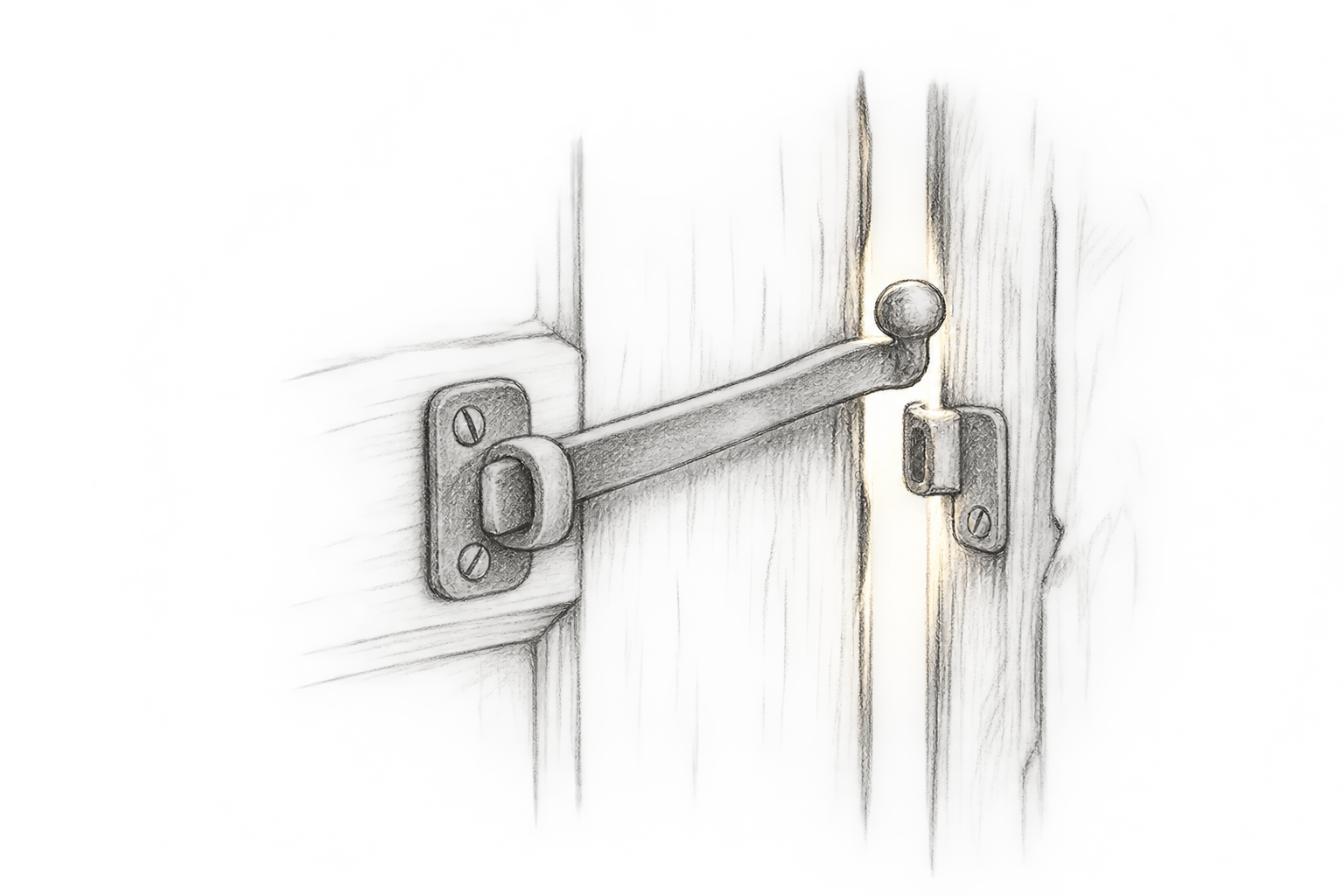
A household opens to another life.
Footnotes & Sources
-
Sahitya Akademi, Kanhu Charan Mohanty fellowship citation, career, bibliography and literary award. ↩ ↩2 ↩3
-
Jitendra Narayan Patnaik, “Four Major Modern Oriya Novelists,” Orissa Review, November 2008, pp. 65–72, discussion of Mohanty’s fiction, pp. 66–68. ↩
-
Odia Movie Database, Abhinetri, adaptation and production credits. ↩
Credit: Bhadrajam. Source · CC BY 4.0. Online preview cropped. ↩

Further reading
Suggest an update: share a publication record, film credit or precise correction. GitHub submissions are public; omit private contact details and consent documents.