
Odia cinemaMemory and Discovery
Who Keeps a Film Alive?
In this article
Follow a recording beyond its first audience, into the hands and skills that help it survive.
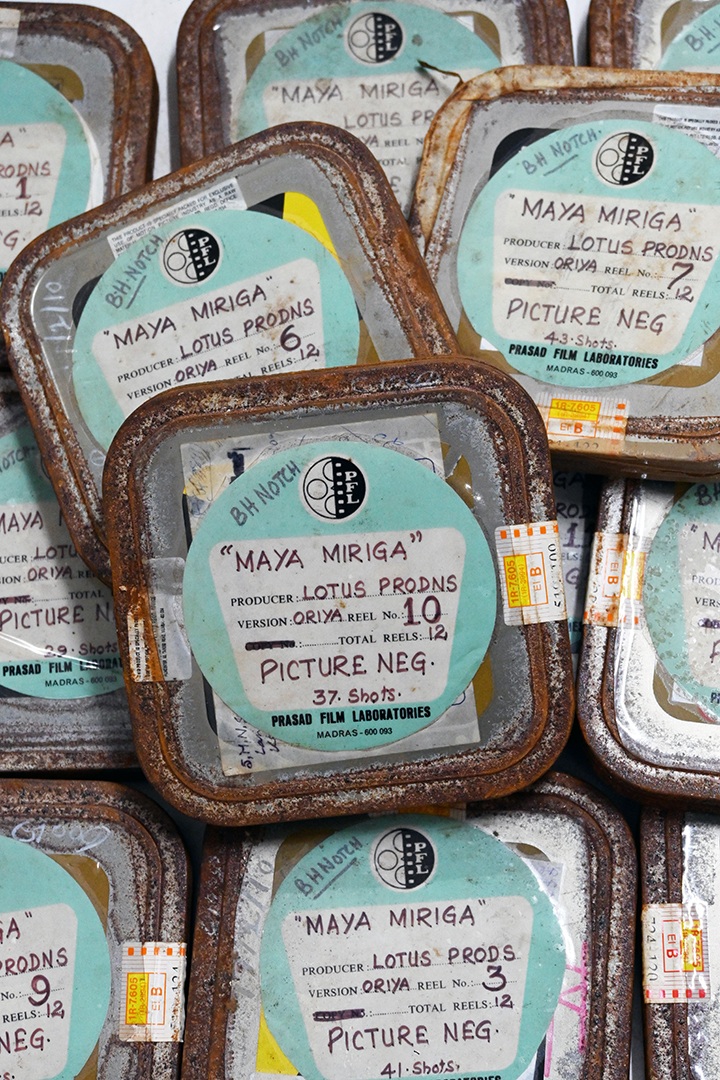
Biren Das’s television work reached another stage of its life when he donated tapes to JD Centre of Art. Das, a filmmaker and founding trustee of the centre, had directed the 1990s programme Ajira Orissa. Its U-matic and Beta tapes became part of a collection encompassing films on art and recordings of tribal and folk culture. JDCA reports that selected tapes were digitised with the National Cultural Audiovisual Archive at IGNCA.1
A programme made for one audience could now become material for another. Between those encounters stood a handover, an institution willing to keep the recordings, and people able to work with their formats. The question in this article’s title begins there: who takes responsibility after a film or programme has finished its first public life?
Keeping the film, and the world around it
A cinema’s memory includes more than completed features. Photographs, posters, song booklets and press material belong to NFDC–National Film Archive of India’s documentation collection. Its work combines cataloguing with digitisation intended to reduce handling of originals.2
A name on a photograph or a date on a booklet can give a later researcher somewhere to begin. The object and the information accompanying it need to stay connected. A digital image becomes more useful when someone can establish what it shows, who supplied it and where the original is held.
Surya Deo’s story follows the contribution of collectors and film workers to that shared memory. Searching for Sita Bibaha asks what can be made from surviving traces when a film print cannot be found. Here, the next question is how such material can receive continuing care.
Different tasks, a shared purpose
Conservation means caring for the material itself. Digitisation makes a digital representation of a film, tape or paper object. Restoration may involve further work on damaged or incomplete images and sound. Cataloguing makes the material identifiable and findable; arranging access allows someone else to encounter it. These are distinct skills, reflected in the Film Heritage Foundation and FIAF preservation workshop held at Kalabhoomi in Bhubaneswar in November 2025.3
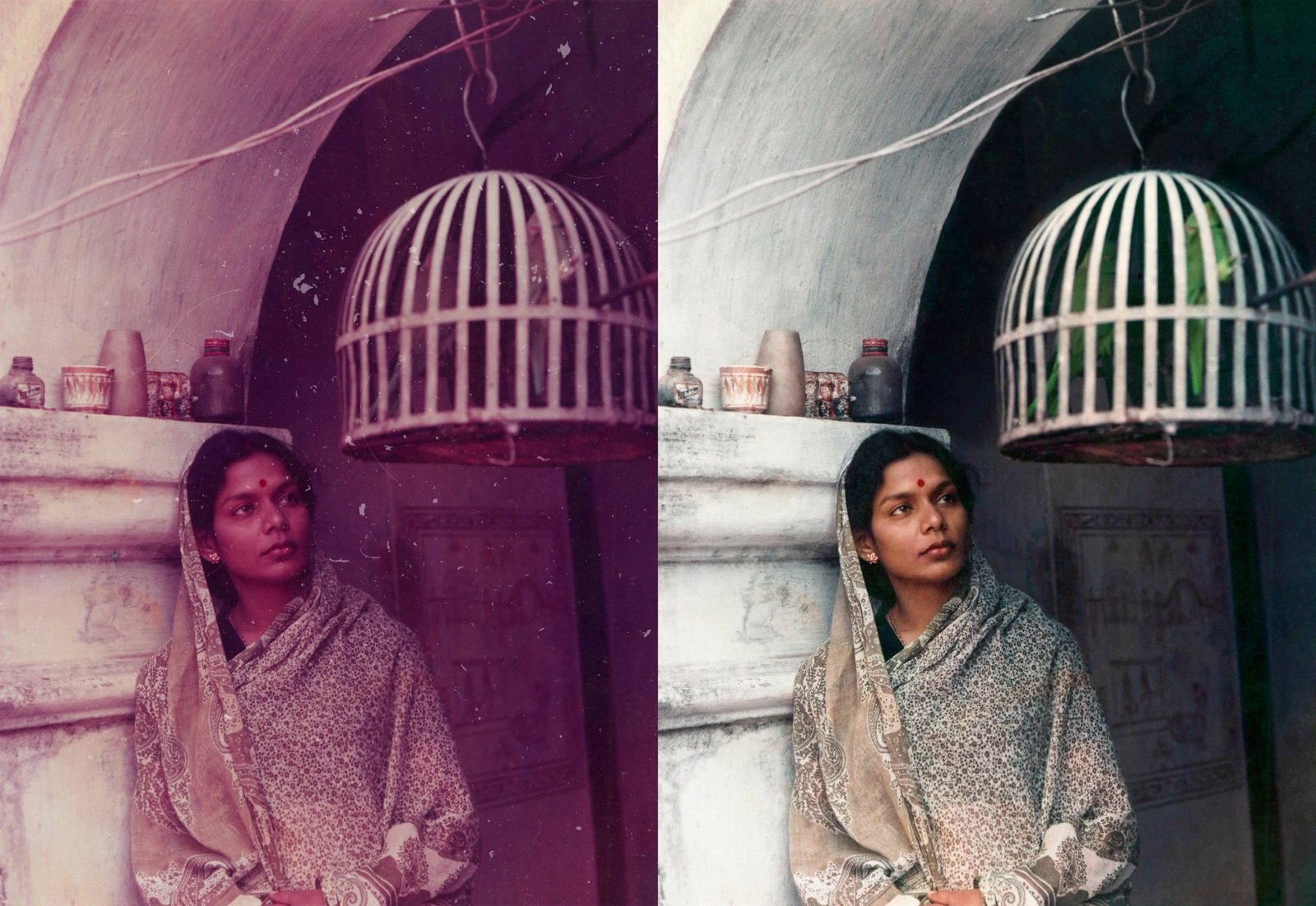
The distinction is practical. Scanning a poster does not settle how to store the paper. Having a video file does not settle its identification or future upkeep. And a restored film still needs a route to viewers. The return of ମାୟା ମିରିଗ (Maya Miriga) gives that last connection a particular history, with the restoration and its later screenings described together.
OFDC’s 2024–25 reporting described an archive at its Cuttack corporate office and recorded 51 films stored on LTO, with ten undergoing digitisation. Those are figures from that reporting period, rather than a current total or a count of fully restored films.4 The figures record storage and work in progress.
Skills need somewhere to continue
A workshop can begin a working life. Continuing it takes somewhere to practise, experienced colleagues and time paid for the care each object needs.
A November 2025 agreement between the Odisha government and Film Heritage Foundation concerned preservation and an archive centre.5 Kalinga Studio’s cinema archive and museum were inaugurated in October 2026.6 The established Cuttack collection, the agreement and the inauguration should each retain their own place in the chronology; a collection’s location and access arrangements need to be established individually.
Paid placements alongside experienced conservators and cataloguers could help trainees continue this work. Time to practise, ask for help and care for an object is part of what an institution would need to support. The learning-cinema reading follows that need for continued guidance in other kinds of film work.
Custody and access belong together
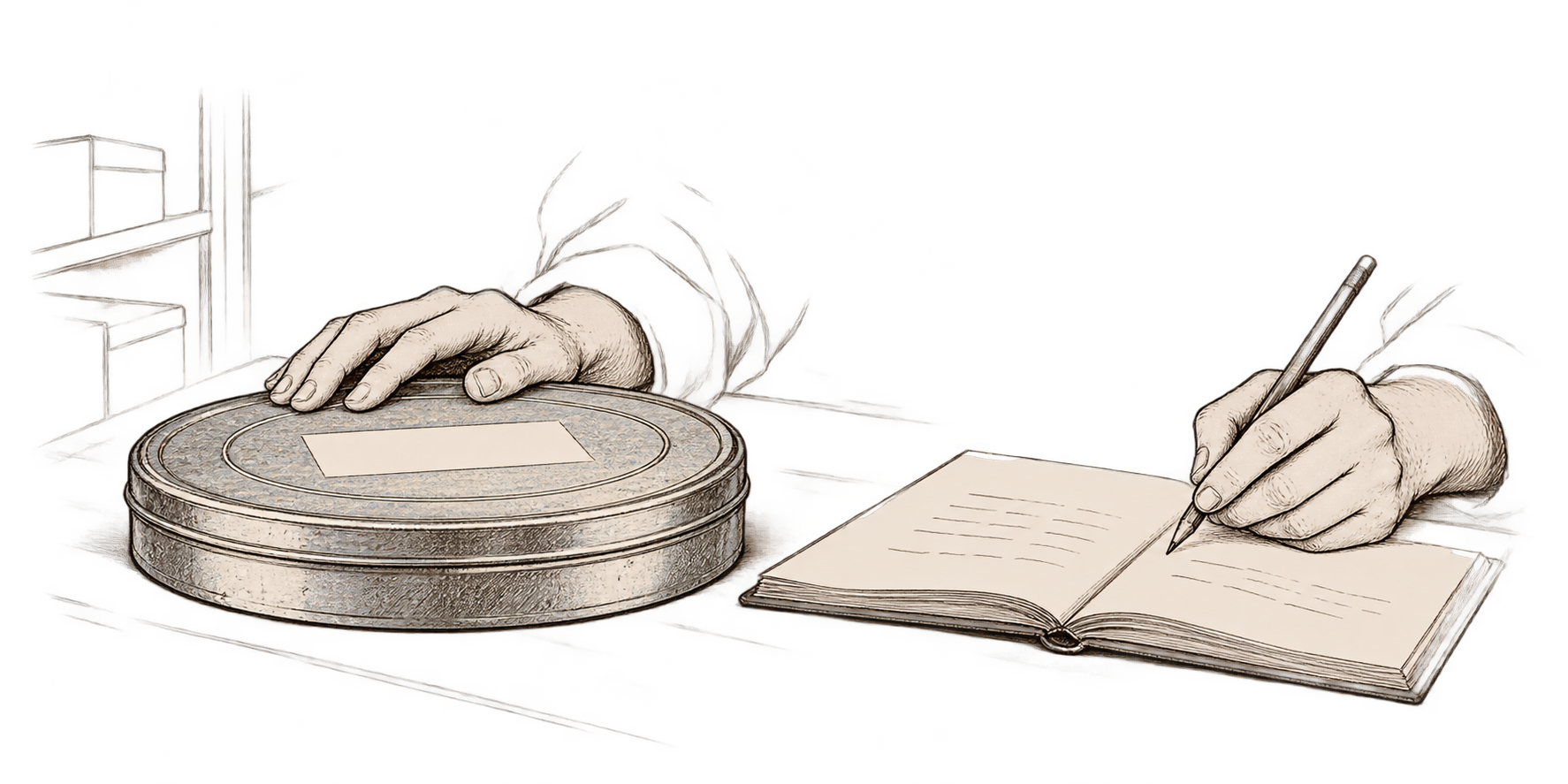
NFDC–NFAI describes donations by filmmakers and collectors, and deposits of negatives and prints through agreements with producers or copyright holders. It also evaluates used prints for condition and suitability for preservation or projection.7 A handover therefore involves decisions about the object, its condition and the terms under which it will be held.
Knowing where a film is kept is a beginning. A researcher may need a viewing copy; an organiser may need permission for a public screening. Those requests serve different purposes. A useful collection description would help people understand whom to approach and what information to supply, without making them assume that possession of a copy grants every right to use it.
There are established routes worth exploring. NFAI’s library page asks visitors seeking library or digital material to book at least three days ahead.8 Its Distribution Library serves member cultural and educational institutions and film societies, with conditions that vary by title.9 Before planning a visit or screening, ask about the particular item and intended use. These national services are distinct from Odisha’s state and independent collections.
What we can carry forward
For a family holding a songbook, photograph or labelled tape, a useful first contribution could be to write down the names, dates and story of how it came into their care. Keep uncertain identifications marked as uncertain. When approaching an institution, ask what it can accept, what documentation it needs and how the family’s contribution would be acknowledged. Damaged film deserves specialist advice rather than an improvised repair.
A permitted screening can bring the work before people again, with time to acknowledge those who made and preserved it. The economics of cinema extends into this continuing labour: a completed film still asks for skilled time, resources and agreements.
Keeping a film alive is work passed between people. The person who saves a tape, the person who describes it, the technician who makes it usable and the organiser who brings it before viewers each carries a part. A future audience becomes possible when those contributions can meet.
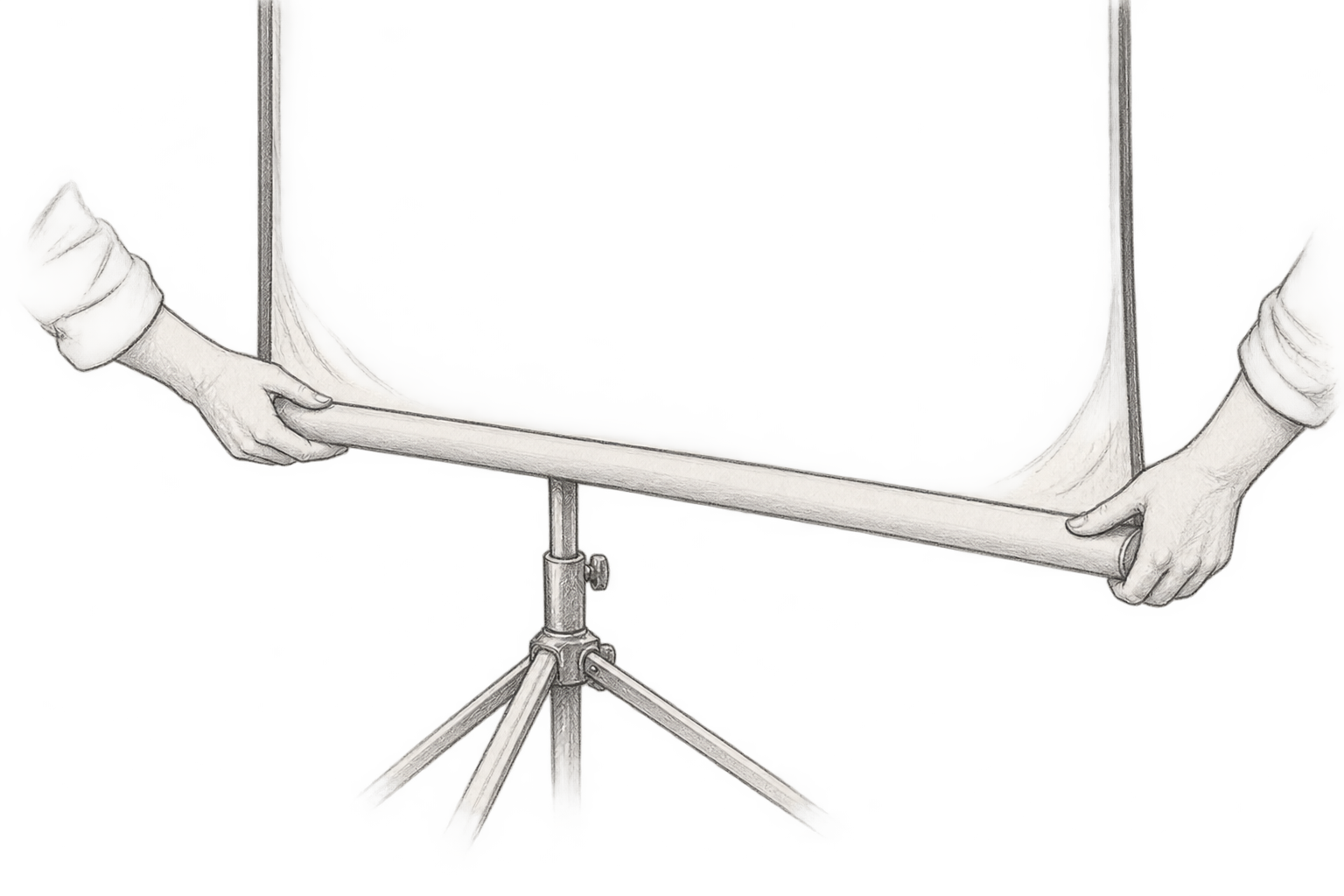
Ready for another audience.
Footnotes & Sources
-
JD Centre of Art, Film Archive, Biren Das’s donation and selected digitisation. ↩
-
NFDC–NFAI, Documentation, paper collections and digitisation. ↩
-
Film Heritage Foundation, Film Preservation and Restoration Workshop India 2025, Bhubaneswar, 12–19 November; programme and retrospective documentation. ↩
-
Odisha Industries Department, Annual Report 2024–25, printed pp. 25–26, OFDC archive and digitisation. ↩
-
Odisha government–FHF agreement, The New Indian Express, 20 November 2025; signed 19 November. ↩
-
Odisha Chief Minister, inauguration, 5 October 2026; collection transfer unconfirmed. ↩
-
NFDC–NFAI, film acquisition and deposits, donations, agreements and print evaluation. ↩
-
NFDC–NFAI, Distribution Library, membership and title-specific screening terms. ↩
Maya Miriga before and after restoration. Photo: via Maya Miriga / Film Heritage Foundation. ↩
Further reading
Suggest an update: share a documented collection, access arrangement or preservation project. GitHub submissions are public; omit private contact details and consent documents.