
Odia cinemaA Shared Storytelling World
The Question That Brought Me Here
An author’s introduction: a question about writers’ livelihoods leads through poetry, software, farming and cinema.
Prefer a shorter route? Follow the ten-reading central route
A line of poetry can travel far from the page.
I began noticing it in the folds of a sari, in stone shaped by patient hands, in a song that outlived its singer. Sometimes it returned through a familiar Dhaga—a few words spoken in an everyday conversation, carrying more experience than their length could hold.
Looking at Odisha, I found myself following these journeys. How did an idea become something we wore, something we remembered, something we passed on? And what happened to the person whose imagination gave it life?
These questions felt close to me. I am an artist and a poet at heart, though much of my creative life has unfolded before a code editor. Building software, I have known the pleasure of giving an idea a form another person could use. A canvas offers me that same invitation. The materials change; my desire to make something that reaches another human being remains.
For years, I had been absorbed in building my own world. Now my attention was turning towards the language and culture that had helped shape it.
Behind the things I loved were people trying to keep creating: a writer searching for a reader, an artisan seeking a fair return. Admiration brought me closer to their work. A question about livelihood kept me there.
How could I help put money in writers’ pockets?
During the pandemic, I had helped farmers sell fruit in large quantities—around 500 tonnes each season—with the aim of getting as much of the money as possible into their hands. When I turned towards Odia literature, that experience came with me.
Farming and writing have different needs. Yet I recognised a question about the distance between making something and earning from it. Who helps a work reach the people who might value it? How much of that value returns to its maker?
I wanted writers to have a fair chance to keep creating. I worried about the person who spent years writing a book, paid to have it printed, and then had to carry the burden of finding readers alone.
Art and poetry should live with people: with the person who enjoys a song without studying its metre, the child who remembers a character, the audience drawn into a performance. A book is one home for that work. I wanted to explore the others.
Odisha gave me many paths to explore. Pala, nataka and dance brought me towards the meeting of language, music, movement and an audience. Researching my own name led me towards Ahimanikya and Sashisena, and the relationship between a story and its remembered life in a place.
A child might love a melody before knowing it as poetry. A performer could make a line unforgettable. A story might enter a family’s conversation long before anyone sought its written source.
Selling a poetry collection could be one way for a writer to earn. Songs, performances, adaptations and illustrated stories offered other possibilities. Royal patronage belongs to the history of sustaining art; in our own time, audiences, publishers, producers and others can commission work, pay for its use or buy a ticket. Appreciation needed a practical expression.
Meanwhile, a poem from my own life was finding an unexpected form.
During a trip to the United States, I began turning “I Am Free to Dream,” which I had written as a teenager, into music. Words from my younger self returned through a voice I had not imagined for them.
That experiment grew into Kabita Without Borders and Poet Studio, an application for poets to publish and manage their work. Sri Pradeep Biswal and Sri Paresh Patnaik, whom I had known since my teenage years, encouraged my renewed involvement in Odia literature. Each beginning brought me back to the question of an audience.
For children, that question became especially immediate. At a birthday party, the need for relatable Odia cartoon characters gave it a concrete shape.
I wanted children to encounter their language through something they were excited to return to. Could affection for a character lead towards a story, and then towards a book?
It was easy to discuss what children should read or what a community should preserve. I wanted to help make things they would enjoy having in their lives.
Cinema began to gather many of these thoughts together. Here was a form in which writing, music, performance, visual imagination and technology could meet. It could carry an Odia story into a shared experience, and perhaps towards people who would never have encountered it on a bookshelf.
During a week in Bhubaneswar, I met DAMaN directors Vishal Mourya and Debi Prasad Lenka, and producer Deependra Samal.1 I had been thinking about cinema as a way to take literature to children. Our conversation brought me to a difficulty I needed to understand: even if we made a good film, how would it reach people? We talked about the limited number of screens in Odisha.
I came away thinking beyond the children I had first imagined reaching. How could our literature reach ordinary people, of different ages, through cinema? Making the film was one undertaking. Getting it before an audience was another.
That question led me into this project. I began reading about the work behind the films, and about the people who found ways to show them. Conversations with writers, filmmakers and heritage storyteller Shakti Badjena kept opening further paths.1
A screen gathers attention around actors and stories, but many people make that encounter possible. Writers, producers, technicians, musicians, performers, distributors and exhibitors contribute different kinds of skill and take different kinds of risk. If I wanted to understand how cinema could support literature, I also needed to understand the livelihoods and relationships that sustained cinema itself.
Curiosity became research. That research is now taking shape as a book and a series of articles.
I did not set out to write a history of Odia cinema. I turned to its past to understand the people, choices and creative possibilities that might help us move forward. The history in these pages serves that exploration; it does not attempt to record every film, every contributor or every period.
Preserving a film, a script or a songbook keeps more than a date within reach. It keeps a way back to the people who made it. A viewer might find a book through a film; a filmmaker might find a writer through an older adaptation. I want those encounters to remain possible.
Cinema cannot guarantee readers or a writer’s livelihood. But a thoughtful adaptation can offer a work another life. A fair agreement can pay for that work. A film made with care can invite someone to look more closely at a place, a language, a neighbour.
That is the possibility I want to explore with makers and audiences alike. How can the achievements we already have make another beginning easier? How can our stories travel nationally and internationally while remaining attentive to the lives from which they come?
For me, this is an act of care: keeping our stories close enough for our own children to know them, and open enough for others to enter. Pride can grow from the work itself—from the attention we give it and the people we bring with us.
There is much I am still learning. These stories leave room for that learning—and for people whose experience may deepen or challenge what I have understood.
Through it all, a line from my teenage poem has returned:
“I am free to dream and allowed to get lost.”
I hear it differently now. The journeys through poetry, software, farming, literature and cinema are beginning to meet. Each has taught me to look for the person on the other side of what we create.
I began by asking how to put money in a writer’s pocket. The conversation about screens added another question: how would the work reach the people who might value it? These pages follow both.
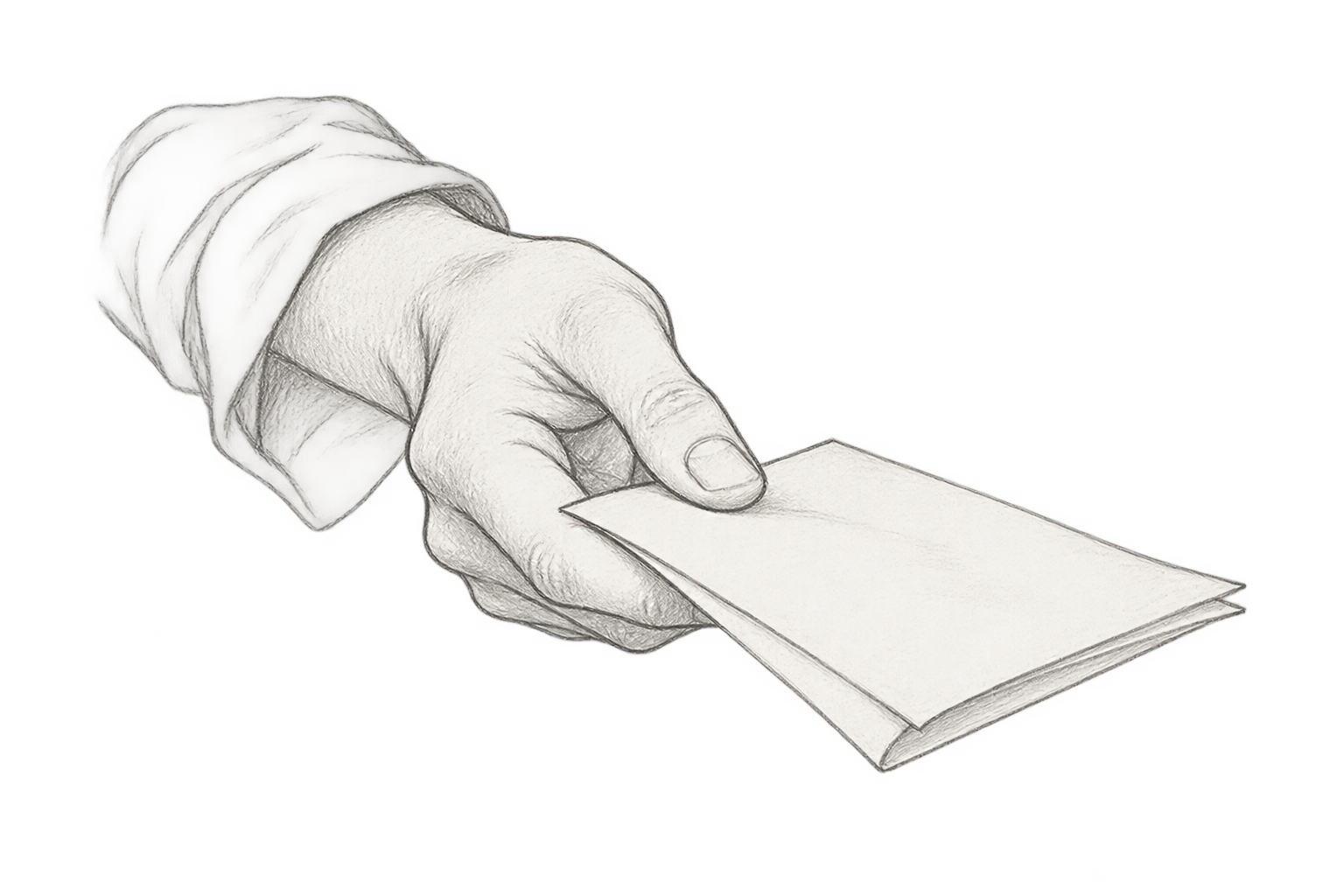
What we make, and whom it reaches.
Footnotes & Sources
-
Ahimanikya Satapathy, A Week in Bhubaneswar: Conversations and New Beginnings, personal account. ↩ ↩2
Further reading
Suggest an update: share a connection or precise correction. GitHub submissions are public; omit private contact details and consent documents.