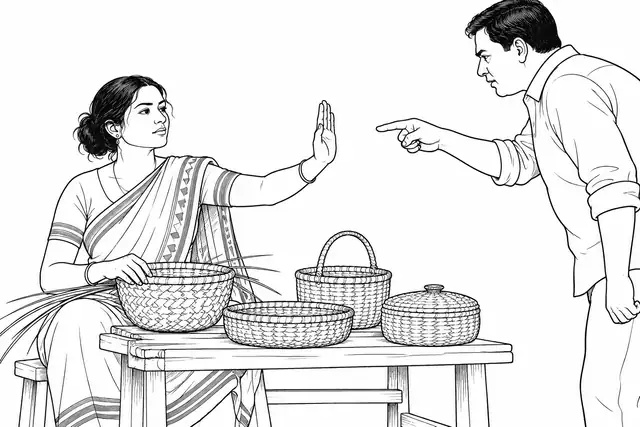
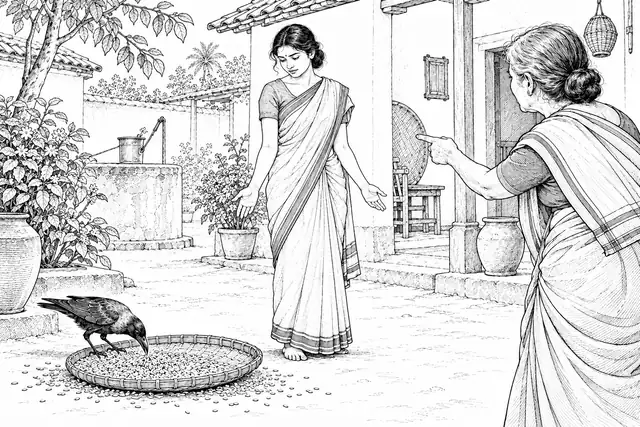
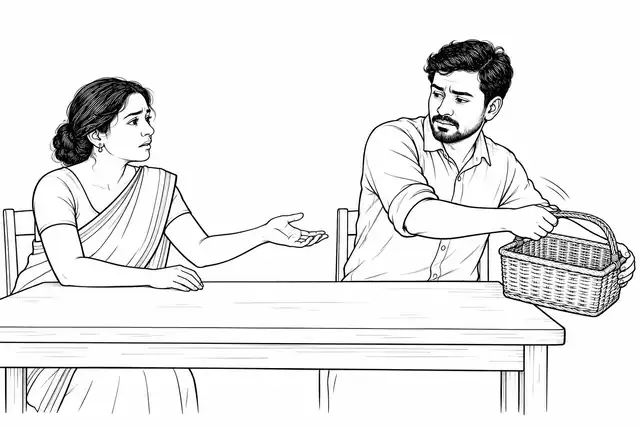
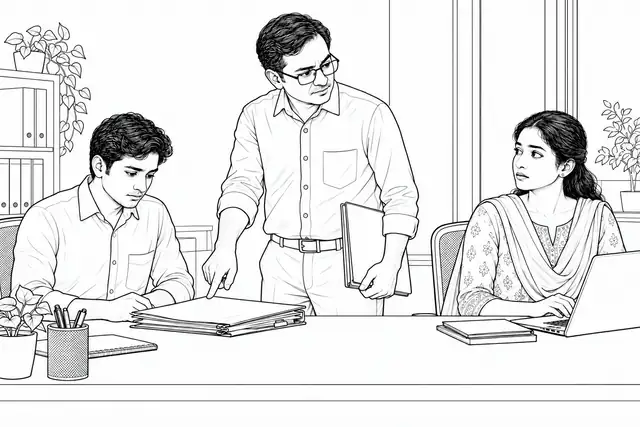
What is said, shown, hidden or misunderstood.
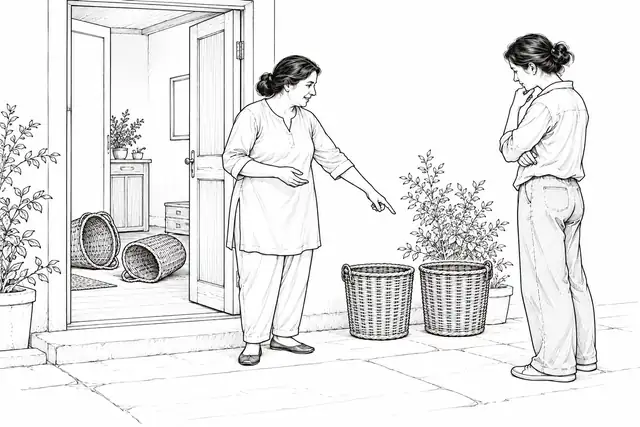
Dhaga 06 · Words & appearances
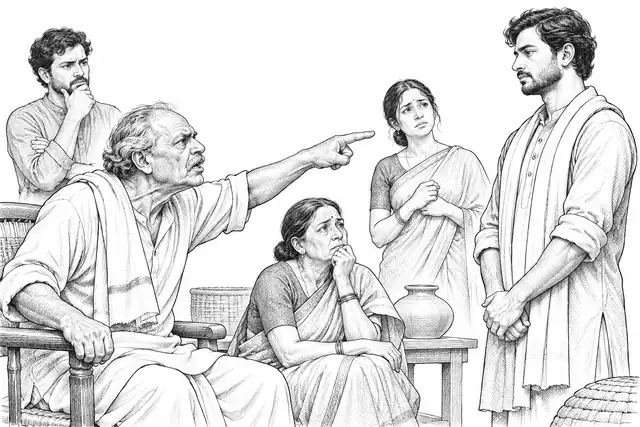
କହି ଦେଉଥାଇ ପରକୁ, ବୁଦ୍ଧି ନ ଦିଶଇ ଘରକୁ
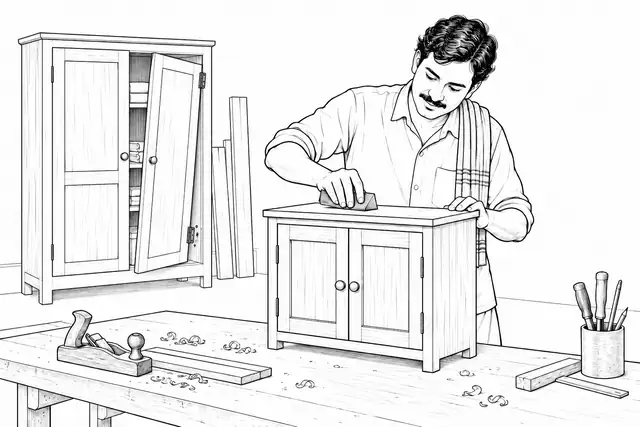
ଅନ୍ୟକୁ ଉପଦେଶ ଦେଇ ନିଜେ ତାହା ନ ମାନିବା।
Advice offered to others goes unused in the adviser’s own life.
Dhaga 07 · Words & appearances
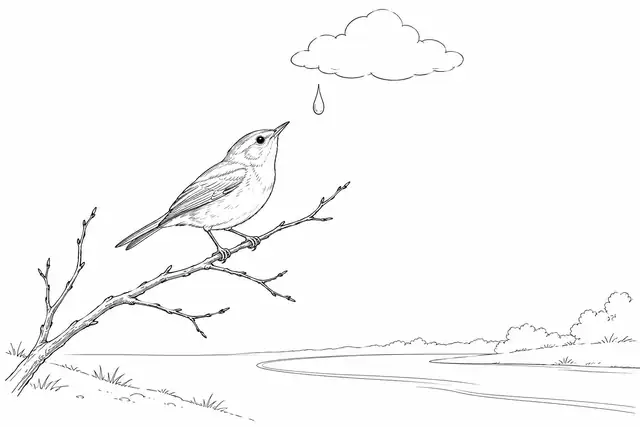
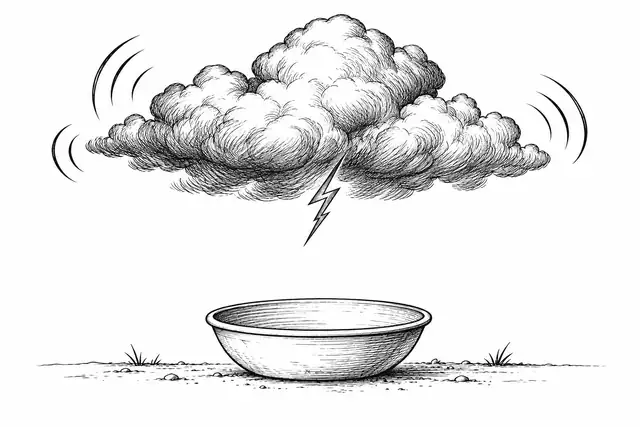
ଗରଜିଲା ମେଘ ବରଷେ ନାହିଁ
ବଡ଼ ବଡ଼ କଥା କହିବା ଓ କାମ କରିବା ଏକ କଥା ନୁହେଁ।
Loud promises or threats need not lead to action; the thundercloud is a metaphor, not a weather rule.
Dhaga 13 · Words & appearances
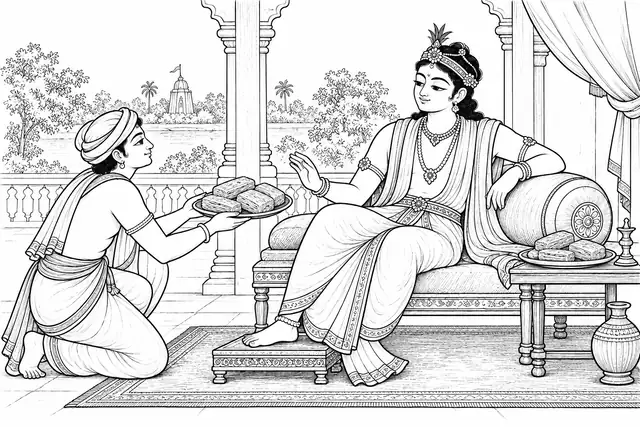
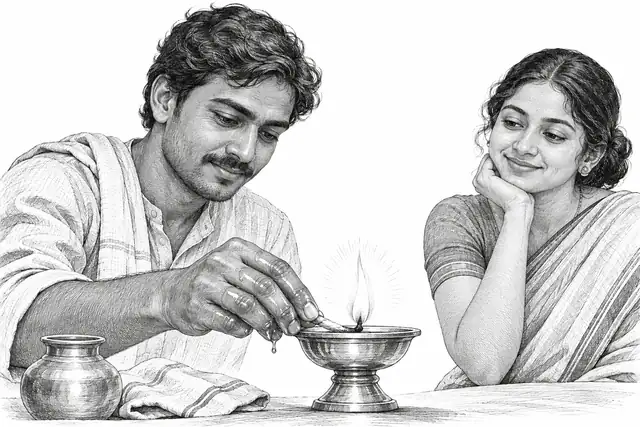
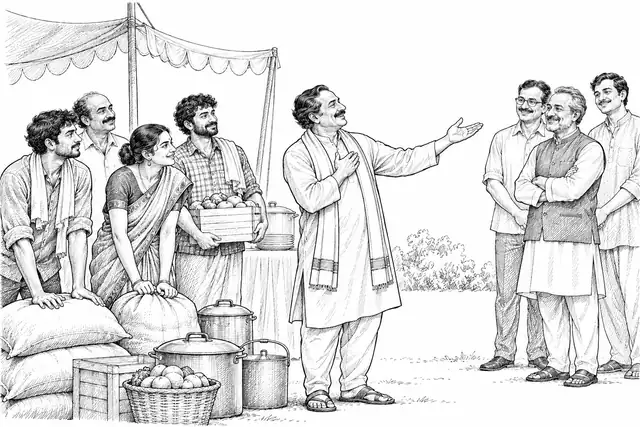
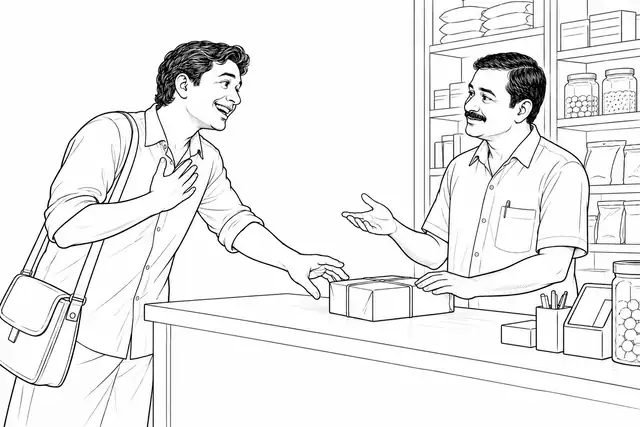
ଅତି ଭକ୍ତି ଚୋର ଲକ୍ଷଣ ।
ଅତ୍ୟଧିକ ତୋଷାମୋଦ ପଛରେ ସ୍ୱାର୍ଥ ଲୁଚିଥାଇପାରେ।
Excessive flattery can conceal an interest, though admiration alone proves no dishonesty.
Dhaga 20 · Words & appearances
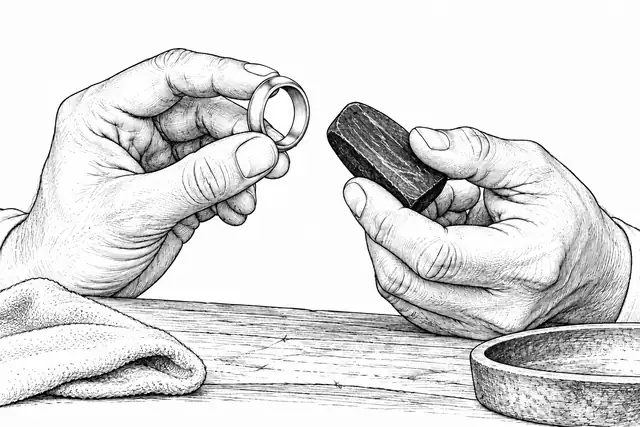
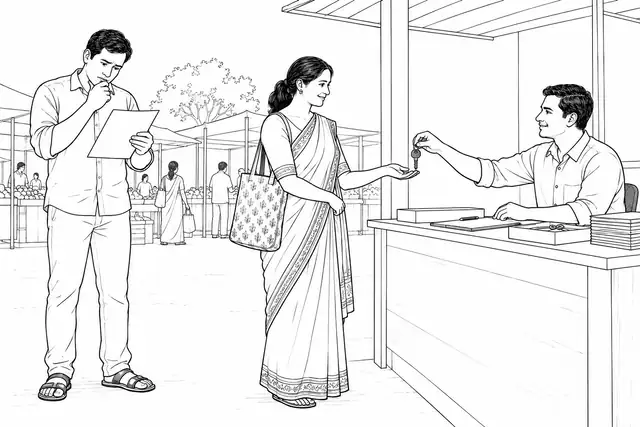
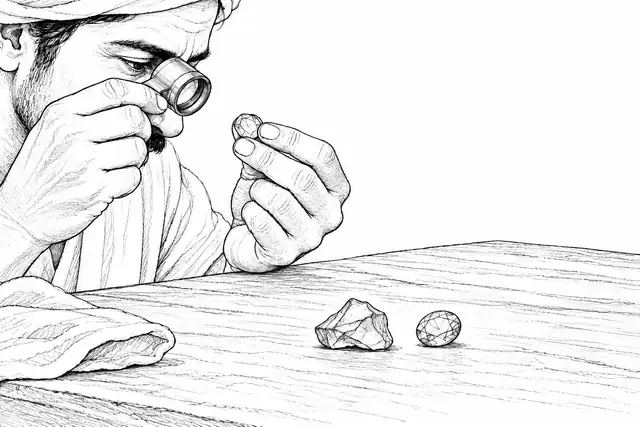
କାଚ, କାଚ, ମଣି, ମଣି, କିଣା ବିକା ବେଳେ ଜଣା ଜଣି
ପରୀକ୍ଷା ବେଳେ ଅସଲ ମୂଲ୍ୟ ଜଣାପଡ଼େ।
An attractive claim must face a practical test before its real value becomes clear.
Dhaga 25 · Words & appearances
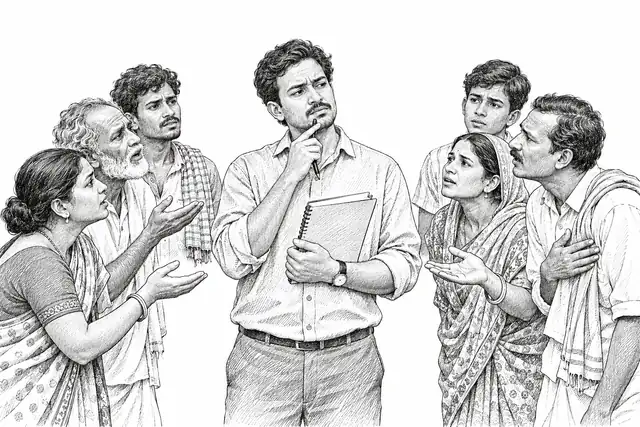
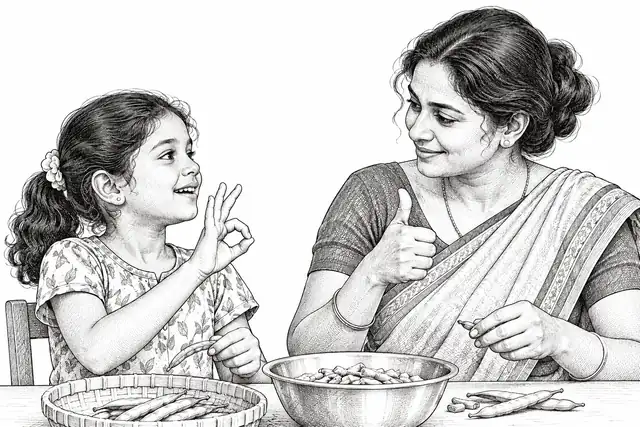
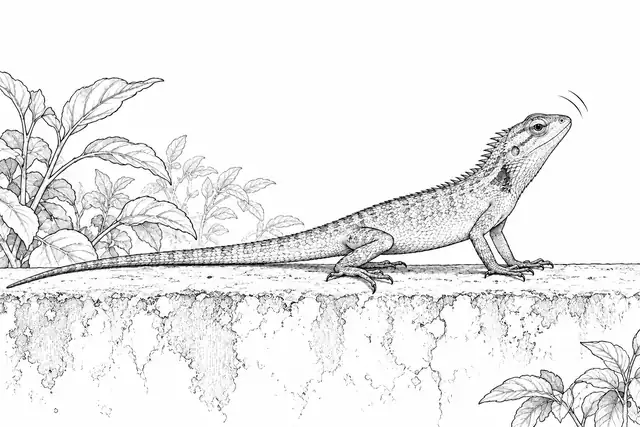
ଏଣ୍ଡୁଅପରି ମୁଣ୍ଡ ଟୁଙ୍ଗାରିବା
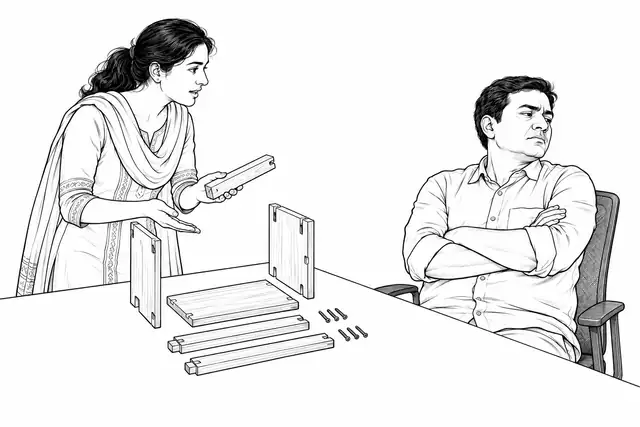
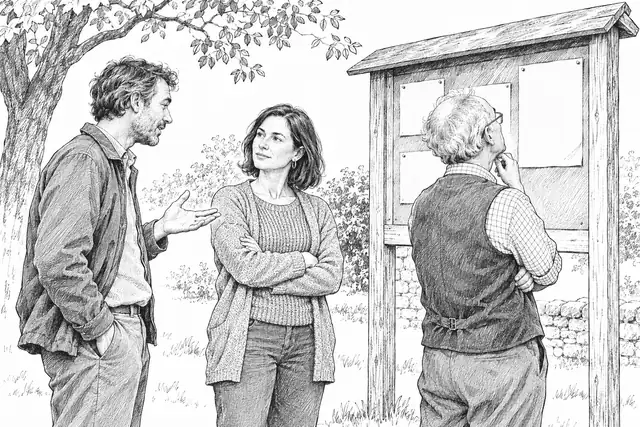
କଥା ବୁଝିବା ନ ବୁଝିବା ନିର୍ବିଶେଷରେ ଖାଲି ମୁଣ୍ଡ ହଲାଇ ସମ୍ମତି ଦେବା।
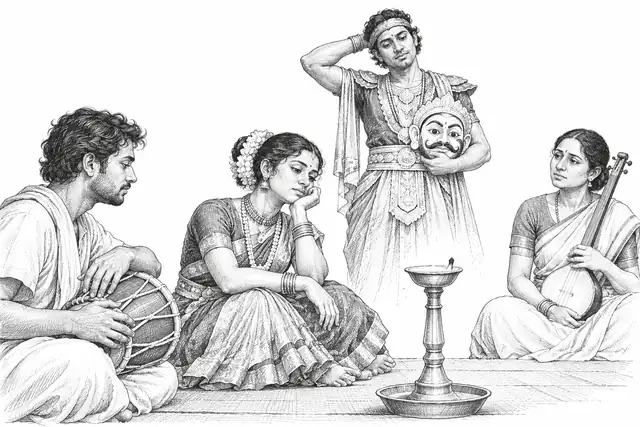
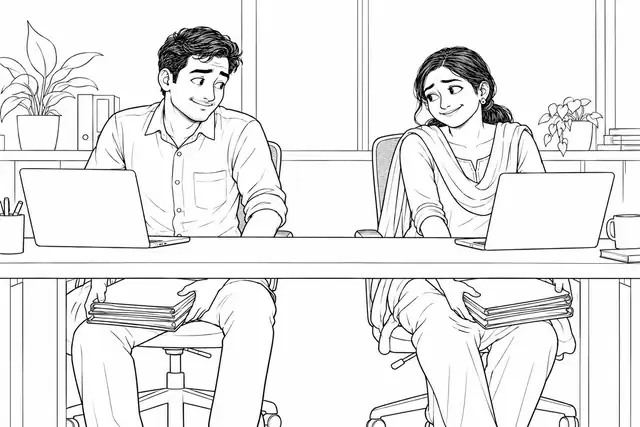
A nod signals agreement without showing that the speaker has been understood.
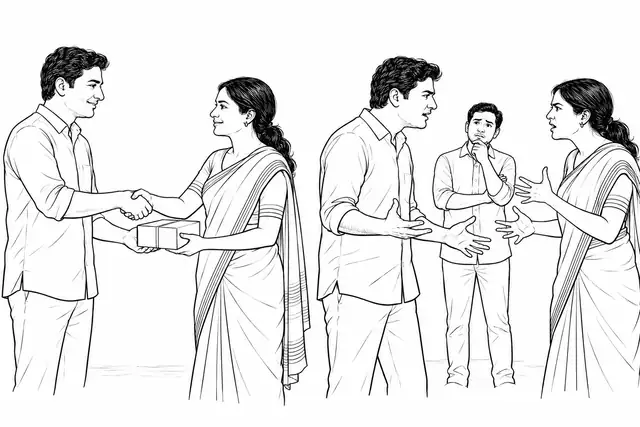
Dhaga 28 · Words & appearances
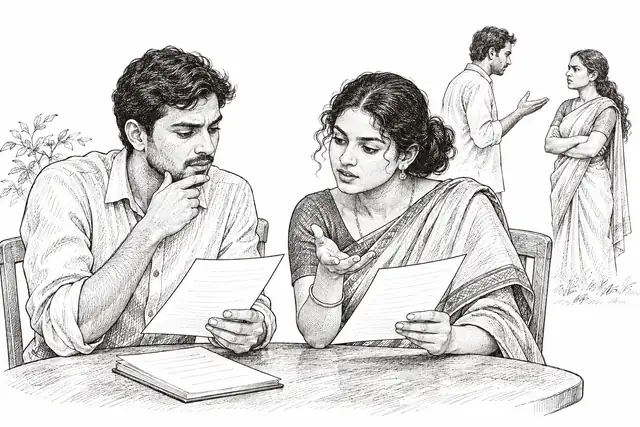
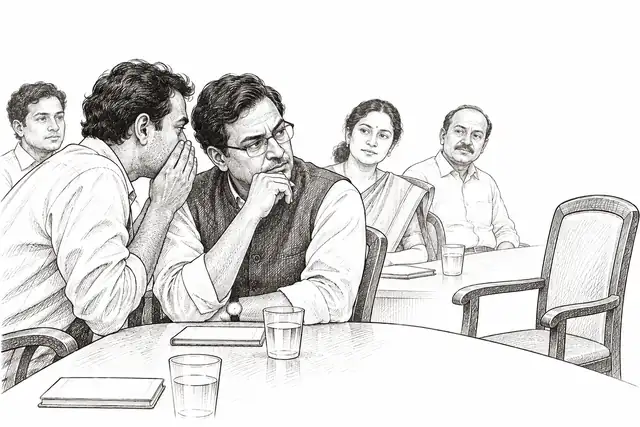
ଅଙ୍ଗୁଳି ସନ୍ଧିରେ ମଳି
ଭିତରେ ଭିତରେ ସଲା ସୁତୁରାଲୋ
ଉପରେ ଉପରେ କଳି ।
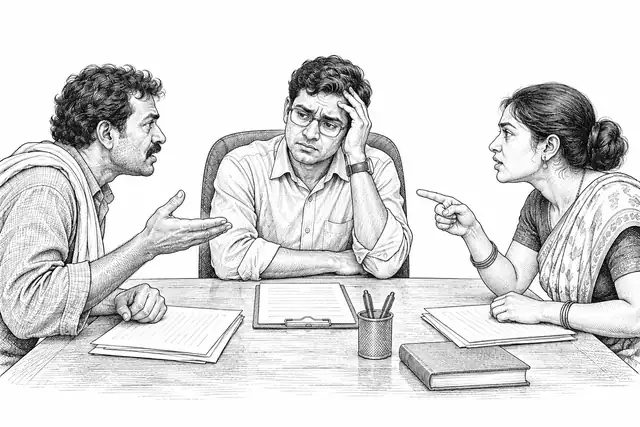
ଭିତରେ ମିଳାମିଶା ରଖି ବାହାରେ ଲୋକଦେଖାଣିଆ କଳି କରିବା।
The quarrel is for the audience; the supposed opponents are cooperating in private.
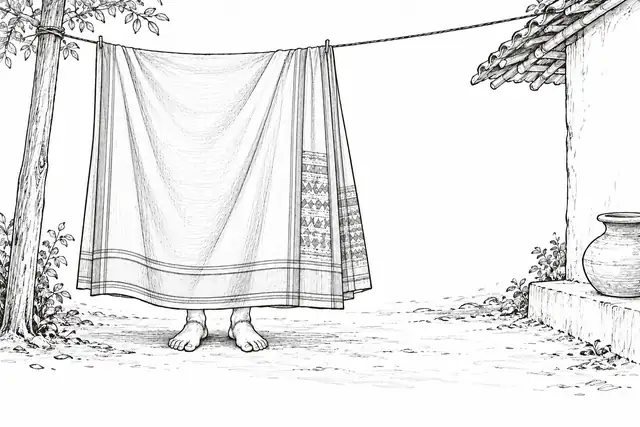
Dhaga 37 · Words & appearances
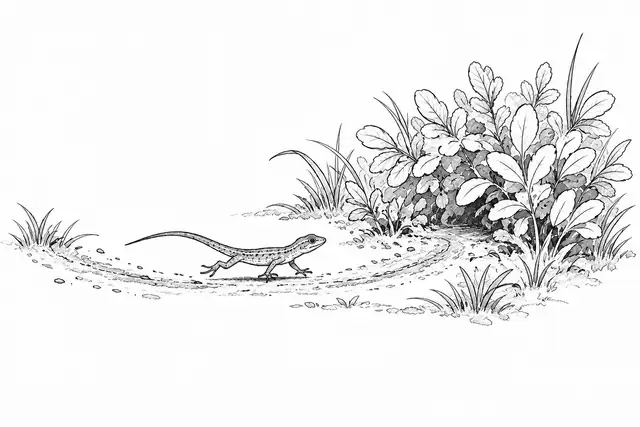
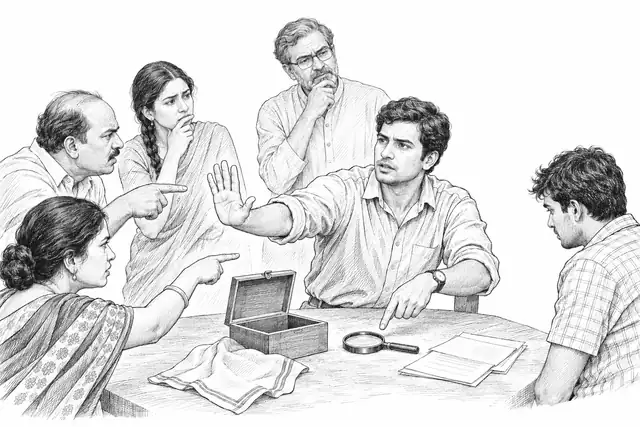
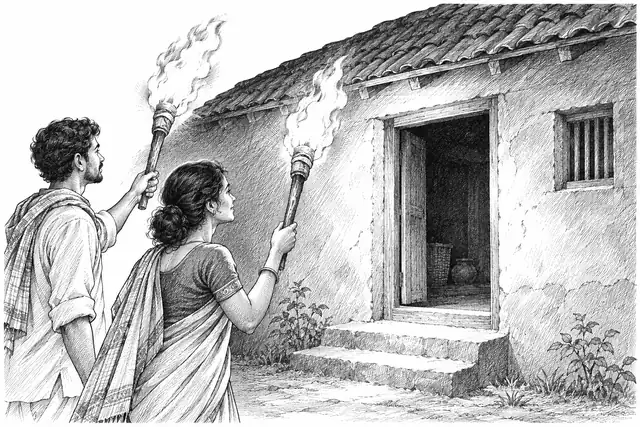
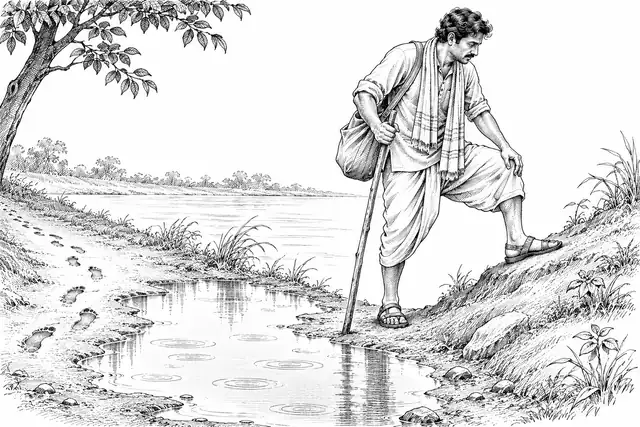
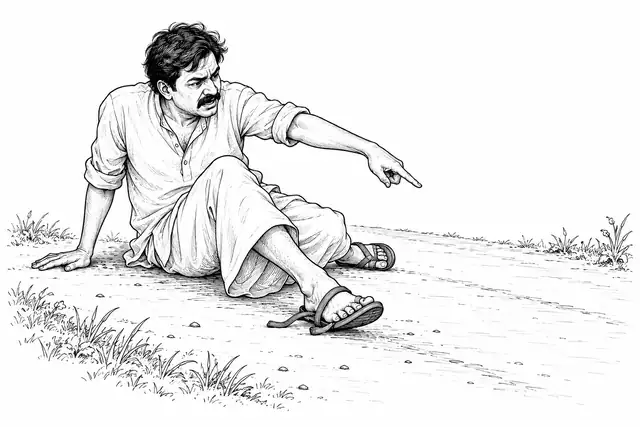
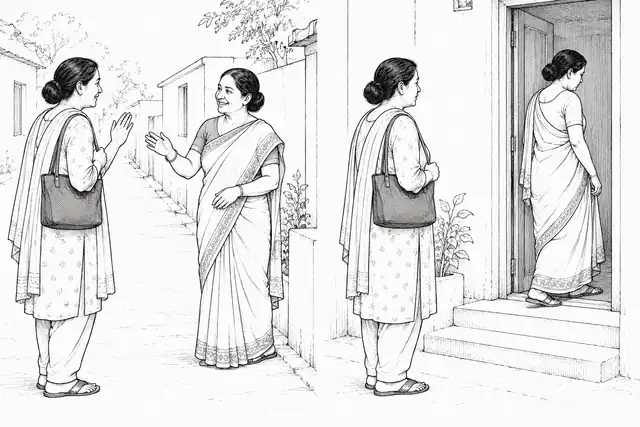
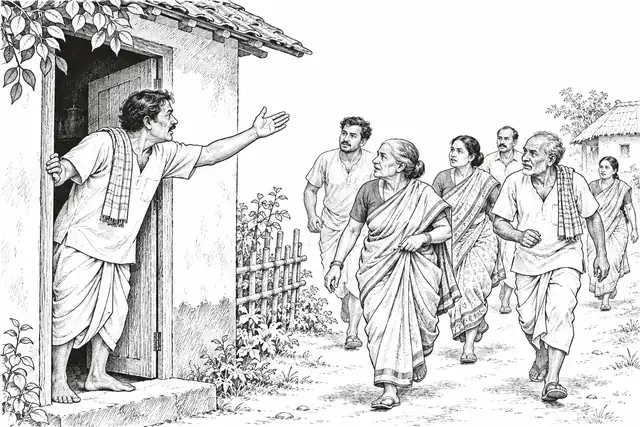
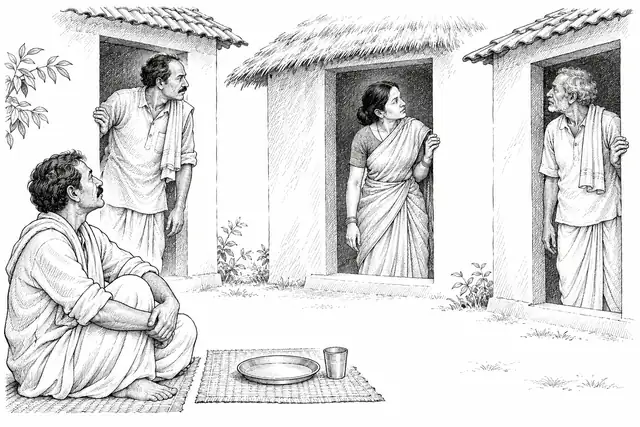
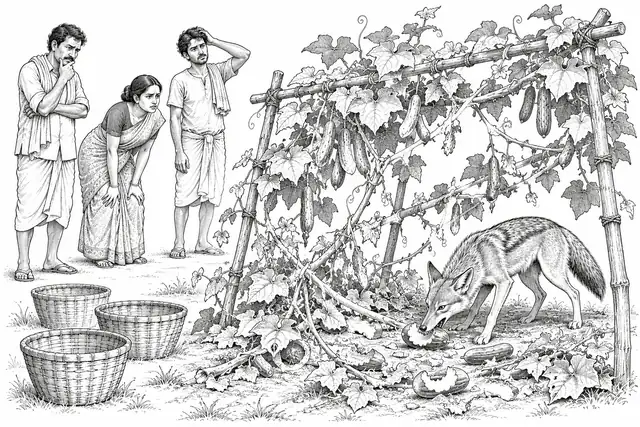
ଲୁଚିଛି ନା ଗୋଡ ଦିଇଟା ଦିଶୁଛି!
ଲୁଚାଇବାକୁ ଚେଷ୍ଟା କଲେ ମଧ୍ୟ କୌଣସି ଚିହ୍ନରୁ କଥାଟି ସ୍ପଷ୍ଟ ଜଣାପଡ଼ିଯିବା।
An obvious clue gives away what someone is trying to hide.
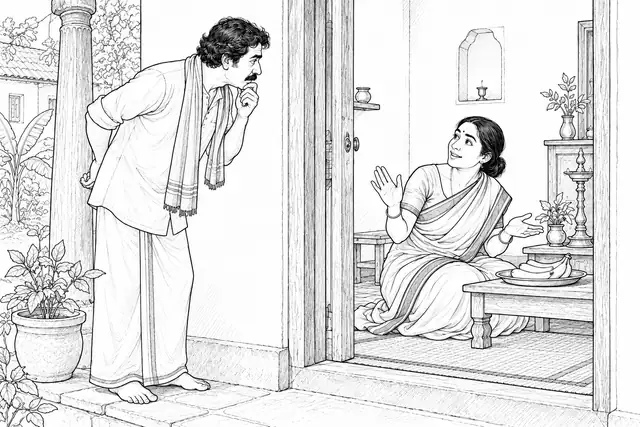
Dhaga 43 · Words & appearances
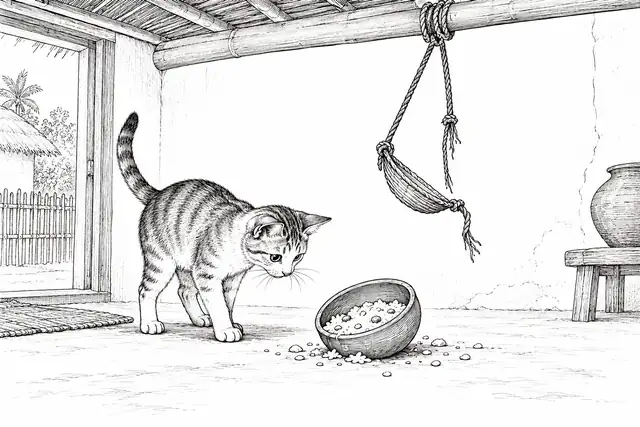
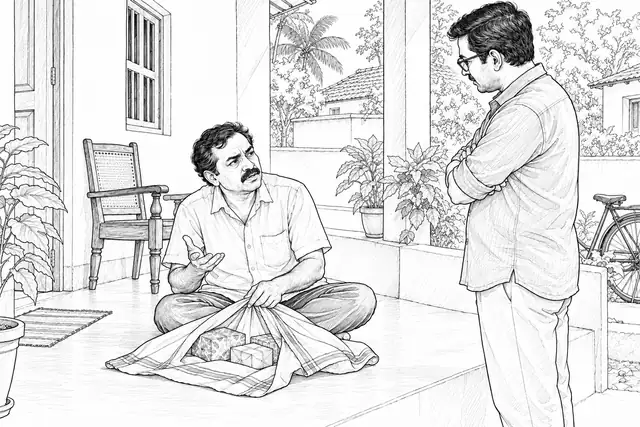
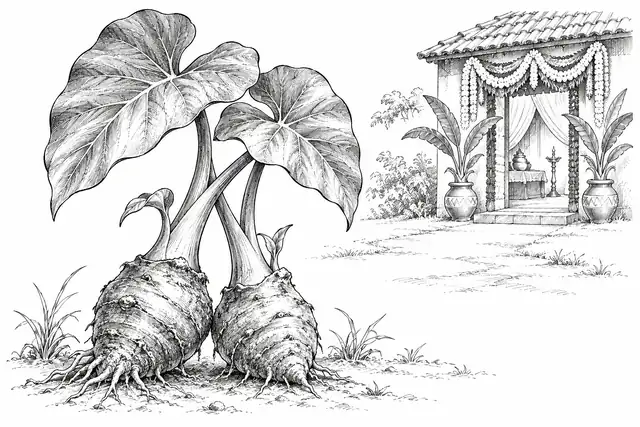
ଠାକୁର ଘରେ କିଏ ରେ? ନାଁ ମୁଁ କଦଳୀ ଖାଇନାହିଁ
କିଏ ଅଛି ବୋଲି ପଚାରିବାରେ କଦଳୀ ଖାଇନାହିଁ ବୋଲି ଉତ୍ତର ଦେବା—ଅନାବଶ୍ୟକ ସଫେଇ ଦେଇ ନିଜ ଉପରକୁ ସନ୍ଦେହ ଆଣିବା।
An unsolicited denial reveals more than the question asked; it raises suspicion without proving guilt.
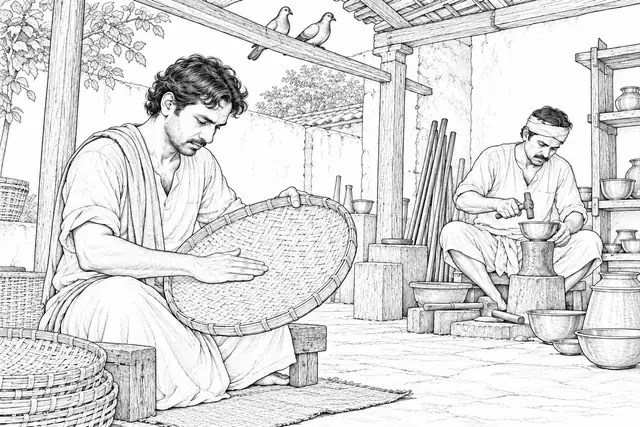
Dhaga 46 · Words & appearances
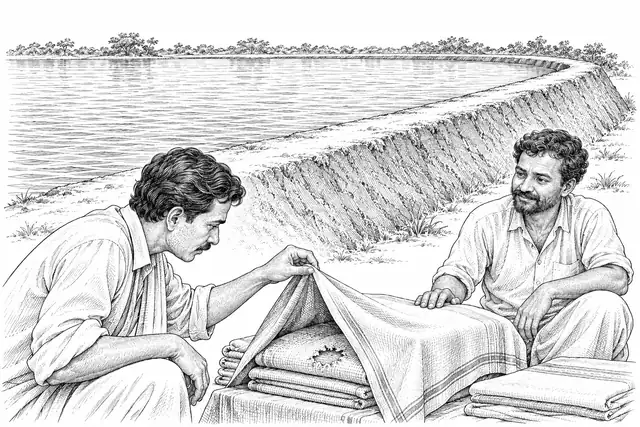
କଂସାରୀ ଘର ପାରାଙ୍କୁ କୁଲା ଢାଉଁ ଢାଉଁ
ଯିଏ ପୂର୍ବରୁ ସେହିପରି ପରିସ୍ଥିତିରେ ଅଭ୍ୟସ୍ତ, ତାକୁ ସାମାନ୍ୟ ଧମକ ବା ଆଡ଼ମ୍ବର ଦେଖାଇ ପ୍ରଭାବିତ କରିବାର ଚେଷ୍ଟା।
A small display of noise cannot impress someone already accustomed to much more.
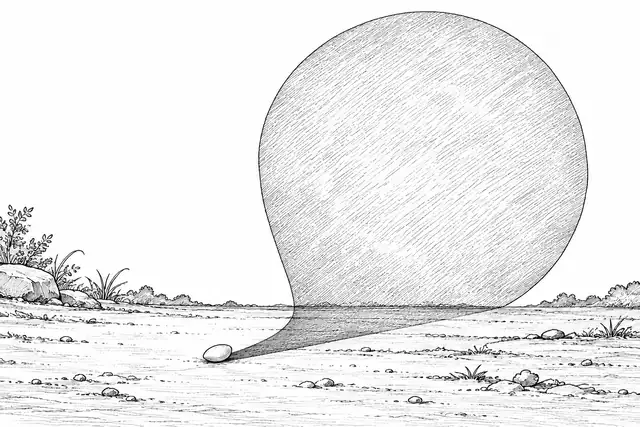
Dhaga 49 · Words & appearances
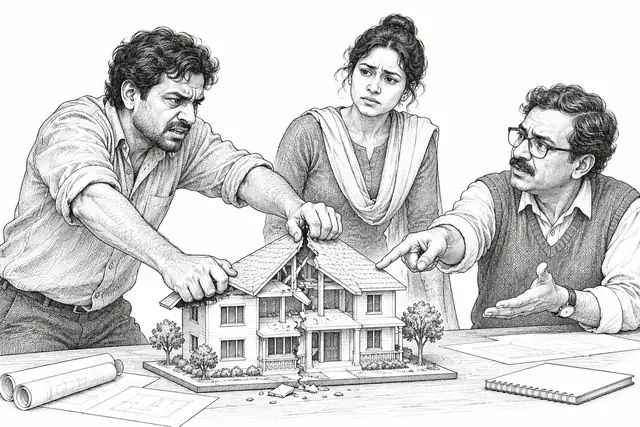
ତିଳକୁ ତାଳ କରିବା
ଛୋଟ କଥାକୁ ବଢ଼ାଇଚଢ଼ାଇ ବଡ଼ କରି କହିବା। ସାମାନ୍ୟ ଭୁଲ ବା ଅସୁବିଧାକୁ ତାହାର ପ୍ରକୃତ ଆକାରଠାରୁ ବହୁତ ବଡ଼ କରି ଦେଖାଇଲେ ଏହି କଥା କୁହାଯାଏ।
A small mistake or difficulty is exaggerated beyond its actual scale.
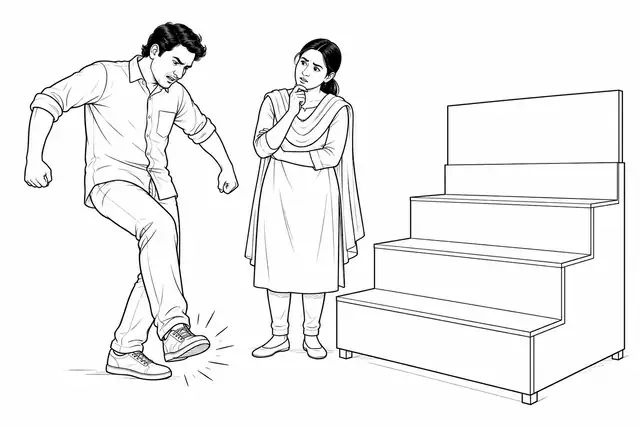
Dhaga 55 · Words & appearances
ତୁଛାକୁ ଏତେ ନା ମୁଦି ନାହିଁ ଗୋଡ଼ କଛାଡୁ କେତେ ।
ଦେଖାଇବାକୁ କିଛି ନଥିଲେ ବି ଅଯଥାରେ ଏତେ ଅଥୟ ହେବା ବା ଆଡ଼ମ୍ବର କରିବା।
An exaggerated display has little substance behind it.
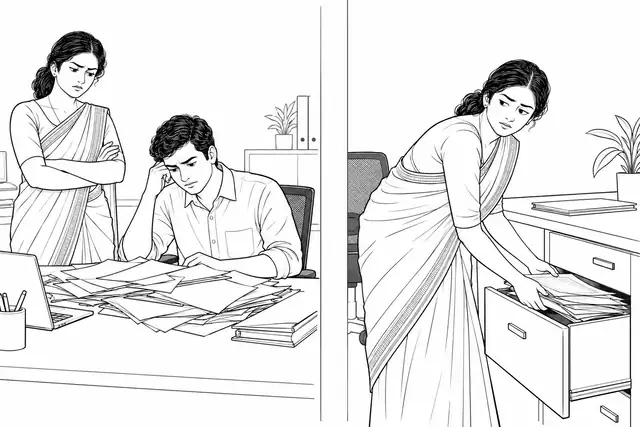
Dhaga 58 · Words & appearances
ଚୋର ମା ଯଦି କାନ୍ଦେ ଆଖି ମଳିମଳି କାନ୍ଦେ ।
ବାହାରକୁ ଦୁଃଖ ଦେଖାଇଲେ ବି ଭିତରେ ଭୁଲ କରିଥିବା ଲୋକକୁ ସମର୍ଥନ କରିବାକୁ ଏହି କଥା ଇଙ୍ଗିତ କରେ।
The saying suspects concealed support behind apparent distress; tears alone do not establish guilt.
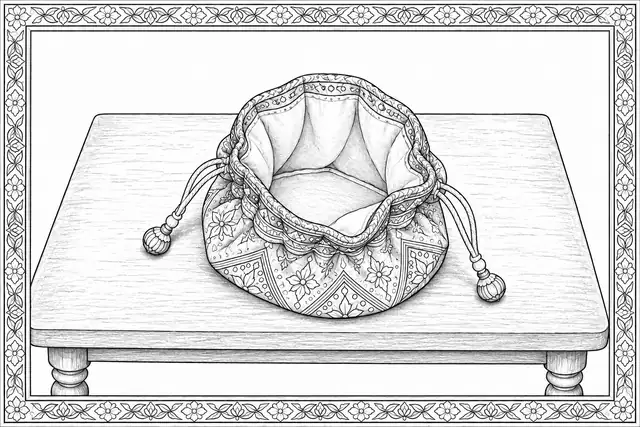
Dhaga 60 · Words & appearances
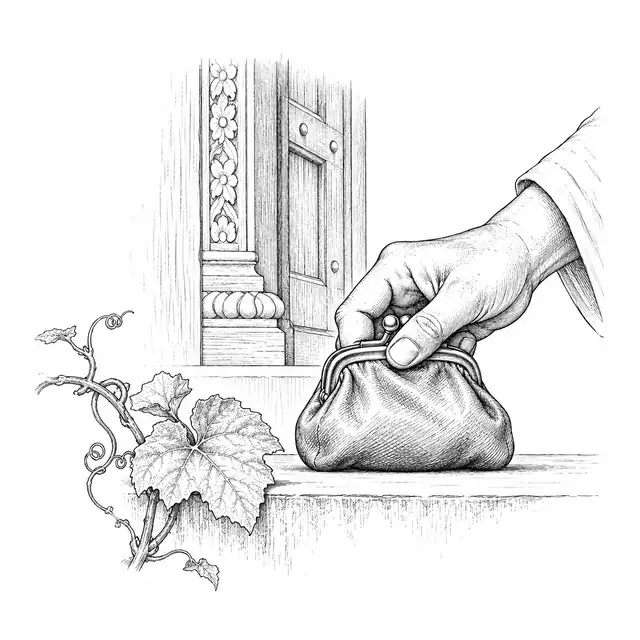
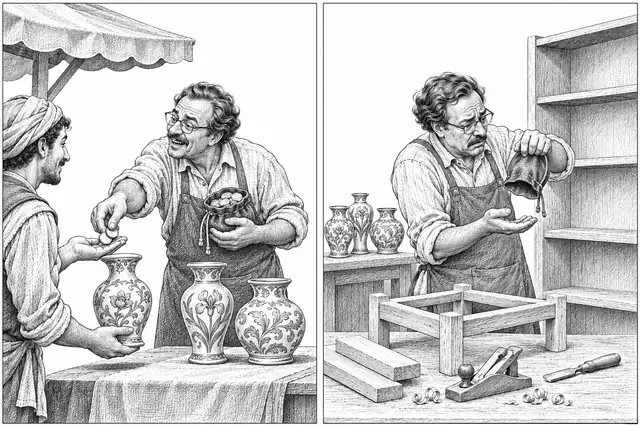
ଅଲାଜୁକ ଷାଠିଆ ପାନ ନାହିଁ ଗୁଆ ନାହିଁ ଖାଲି ବଟୁଆ!
ଭିତରେ କିଛି ନଥିଲେ ବି ବାହାରକୁ ବଡ଼ ଆଡ଼ମ୍ବର ଦେଖାଇବା।
All show and no substance: boasting without the means or ability to back it up.
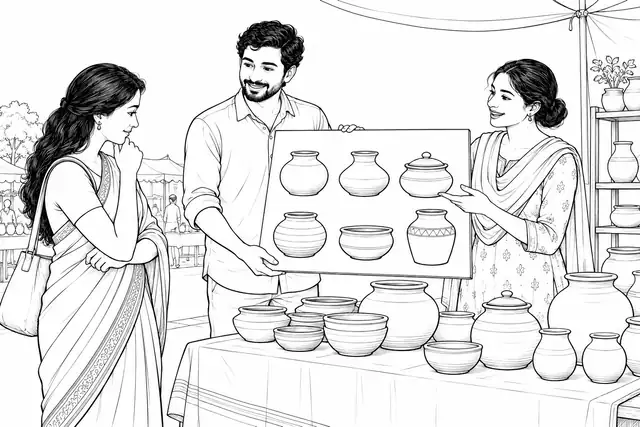
Dhaga 64 · Words & appearances
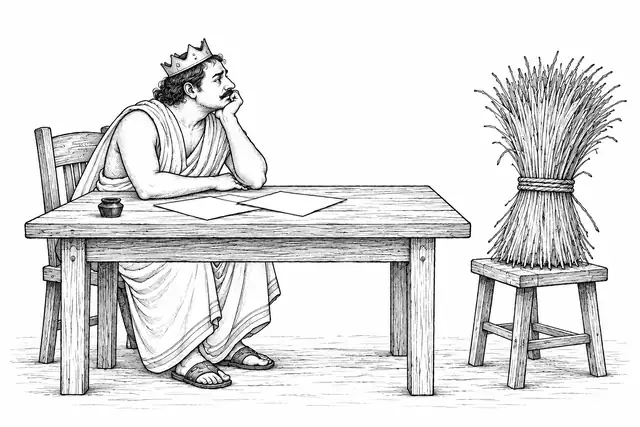
ଶୁଣ୍ଢି ସାକ୍ଷୀ ମାତାଲ!
ଯାହାଙ୍କ ସପକ୍ଷରେ ସାକ୍ଷୀ ଦିଆଯାଉଛି, ସାକ୍ଷୀଙ୍କର ତାଙ୍କ ସହ ସ୍ୱାର୍ଥ ଜଡ଼ିତ; ତେଣୁ ନିରପେକ୍ଷତା ନେଇ ପ୍ରଶ୍ନ ଉଠେ।
A witness with an interest in the outcome may not offer independent testimony.
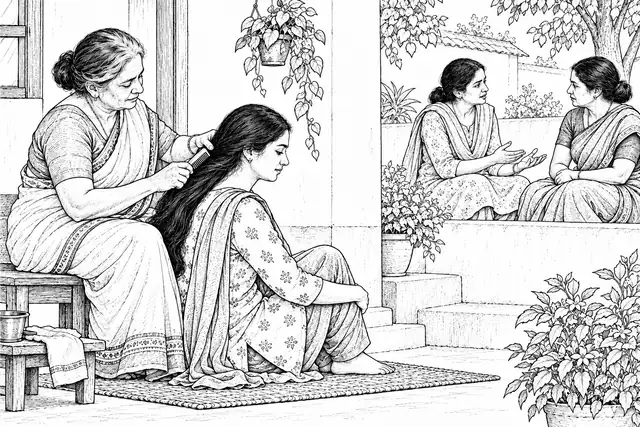
Dhaga 83 · Words & appearances
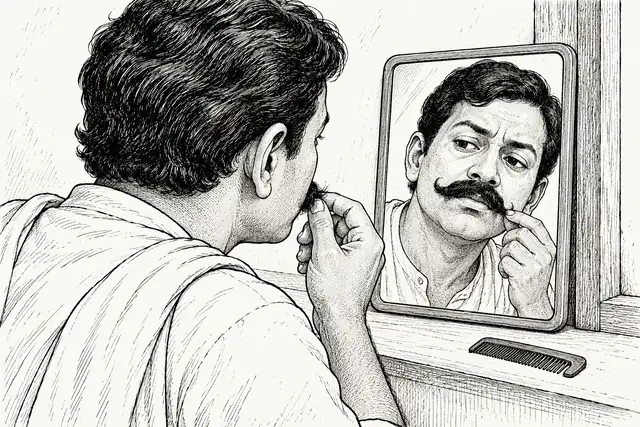
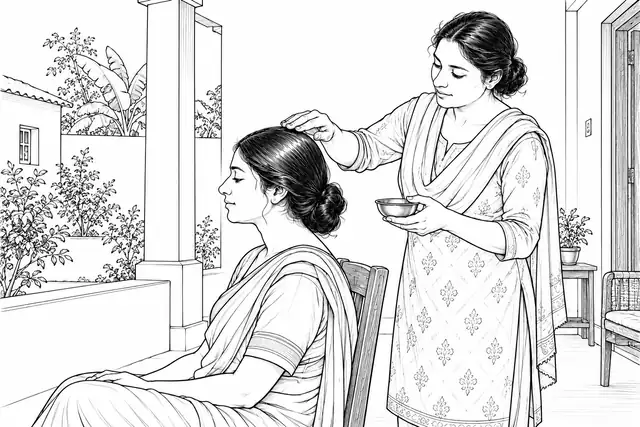
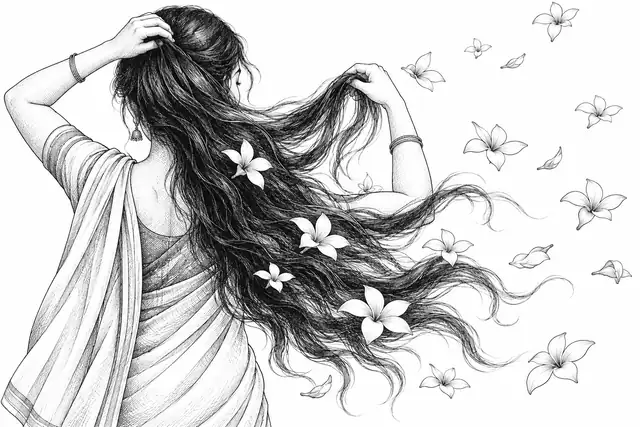
କହି ଜାଣିଲେ କଥା ସୁନ୍ଦର ବାନ୍ଧି ଜାଣିଲେ ମଥା ସୁନ୍ଦର
କଥା କହିବାର ଢଙ୍ଗ ଜାଣିଲେ କଥା ଭଲ ଲାଗେ; କେଶ ସଜାଇବା ଜାଣିଲେ ମଥା ସୁନ୍ଦର ଦିଶେ। ଉଭୟରେ କୌଶଳର ମୂଲ୍ୟ ଅଛି।
Skill matters in expression, just as it does in arranging hair.
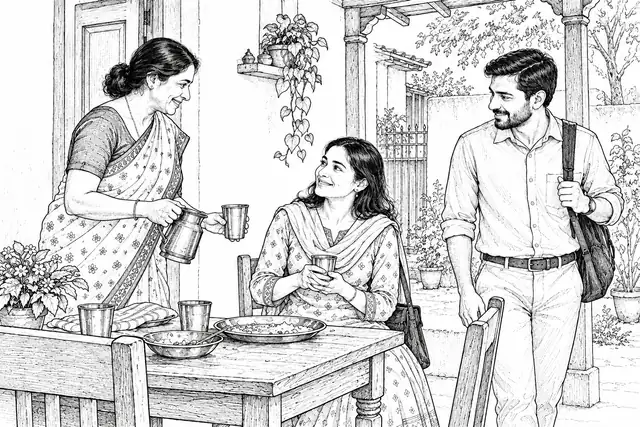
Dhaga 85 · Words & appearances
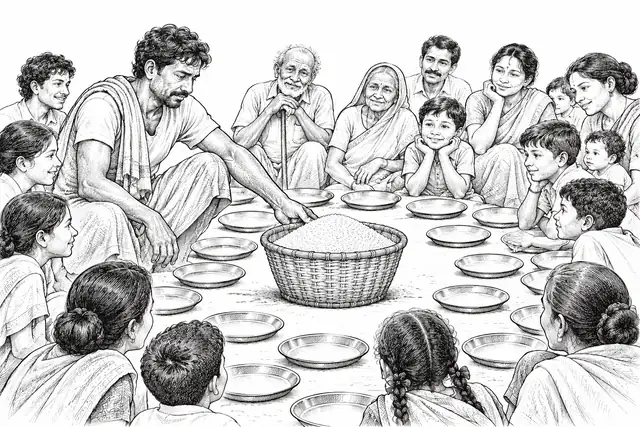
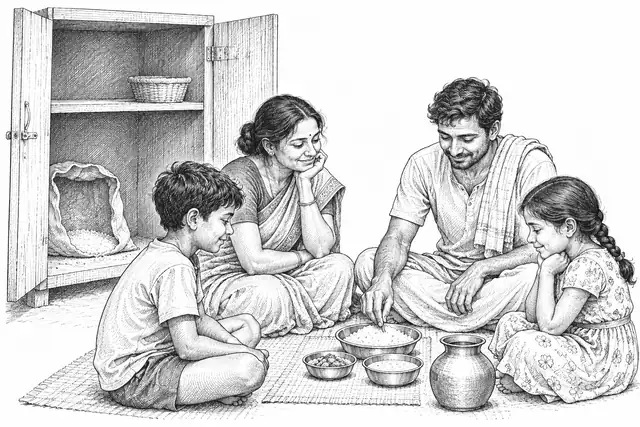
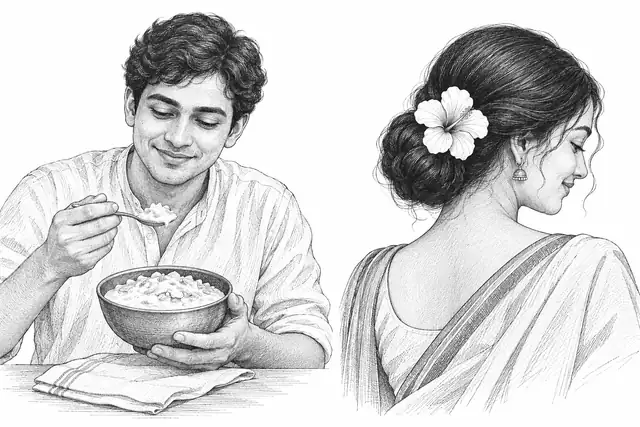
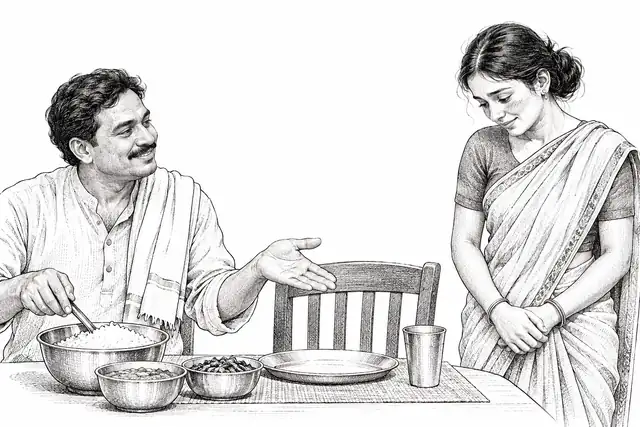
ଦିନକର ଭାତ ଯୁଗକର କଥା
ଭୋଜନ ଦିନକର, କିନ୍ତୁ ସେହି ଅବସରର ଭଲମନ୍ଦ ନାମ ବହୁଦିନ ରହିପାରେ।
A meal lasts a day, but the impression it leaves can endure.
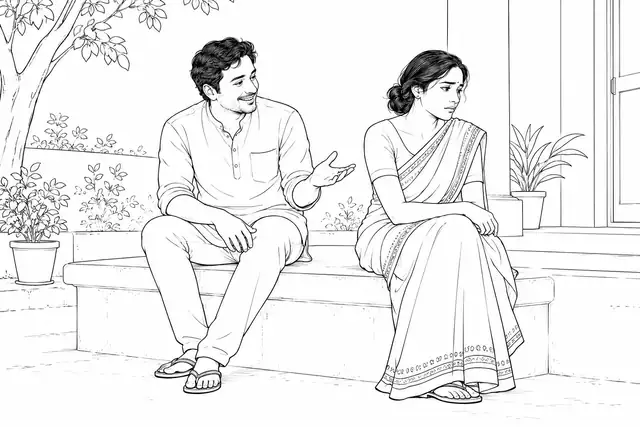
Dhaga 87 · Words & appearances
କଥା କହୁଥାଏ କେଉଁ ରସରେ, ମୋତେ ଲାଗୁଥାଏ ପରିହାସରେ
କହୁଥିବା ଲୋକର ଭାବ ଯାହା ହେଉ, ଶୁଣୁଥିବା ଲୋକକୁ କଥାଟି ପରିହାସ ପରି ଲାଗୁଛି।
Whatever the speaker intends, the listener hears mockery.
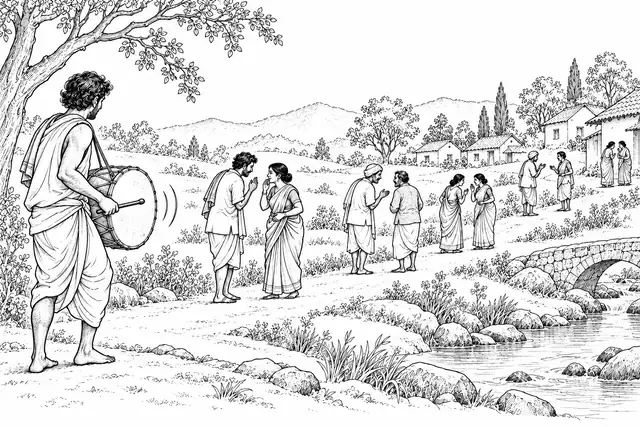
Dhaga 98 · Words & appearances
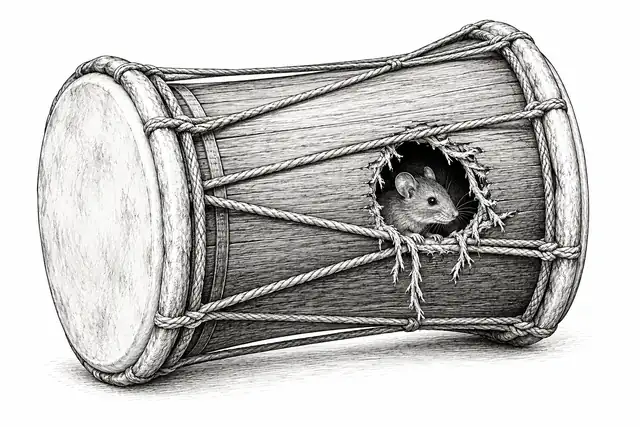
ଚମବାଇଦ କୋଶେ, ତୁଣ୍ଡ ବାଇଦ ଶହସ୍ର କୋଶ
ଢୋଲର ଶବ୍ଦ ଯେତେ ଦୂର ଯାଏ, ଲୋକମୁଖରେ ଚାଲୁଥିବା କଥା ତାଠାରୁ ବହୁ ଦୂର ପହଞ୍ଚେ। ହଜାର କୋଶ କଥାଟି ଏଠାରେ ଅତିଶୟୋକ୍ତି।
Words passed from person to person can travel far beyond the original sound.
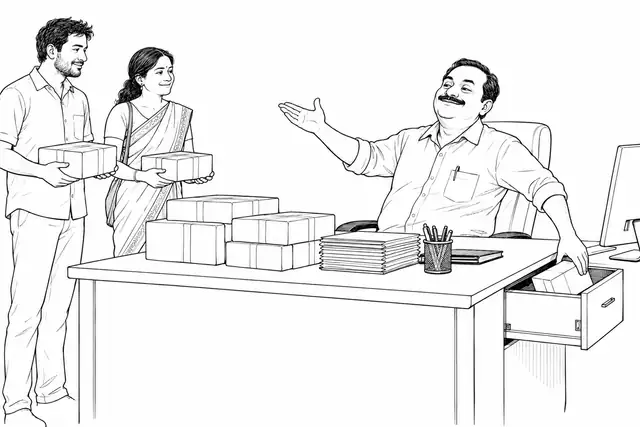
Dhaga 102 · Words & appearances
ବିରାଡ଼ି ବଇଷମ
ବାହାରେ ଧାର୍ମିକ ବେଶ ଦେଖାଇ ଭିତରେ ତାହାର ବିପରୀତ କାମ କରିବା। ଏହା କପଟ ଆଚରଣର ସମାଲୋଚନା, କୌଣସି ଧର୍ମର ସମସ୍ତ ଲୋକଙ୍କ ବିଷୟରେ ଦାବି ନୁହେଁ।
An appearance of devotion conceals contradictory conduct; the target is hypocrisy, not believers as a group.
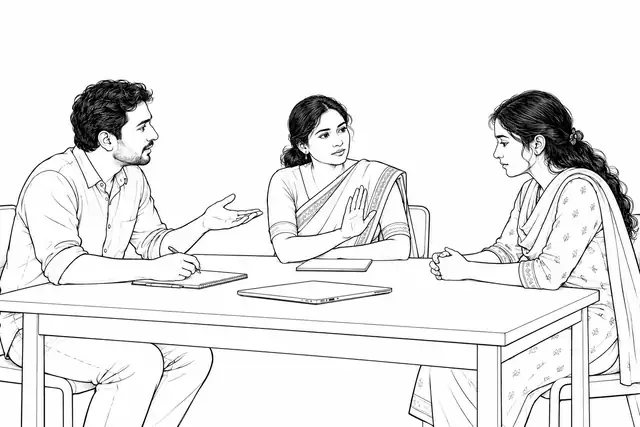
Dhaga 108 · Words & appearances
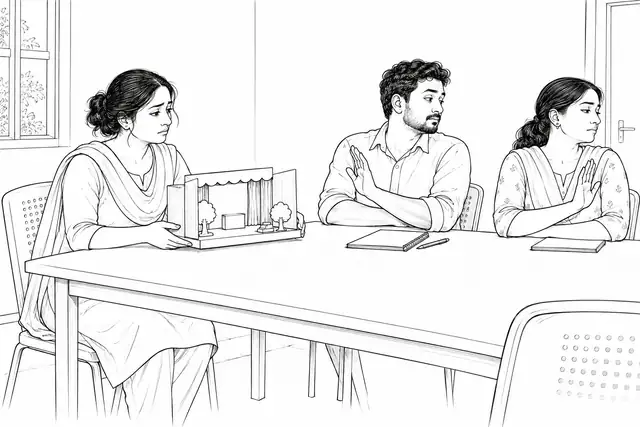
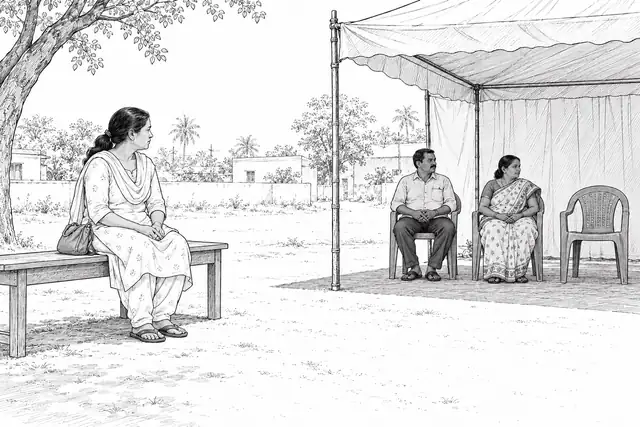
ମୌନଂ ସମ୍ମତିଲକ୍ଷଣଂ
ଚୁପ୍ ରହିବାକୁ ସମ୍ମତିର ଚିହ୍ନ ବୋଲି ଧରାଯାଉଥିବା ଧାରଣାକୁ ଏହି କଥାଟି କହେ। କିନ୍ତୁ ଭୟ, ଦ୍ୱିଧା ବା ଅନିଶ୍ଚୟରେ ବି ମଣିଷ ଚୁପ୍ ରହିପାରେ; ସମ୍ମତି ନିଶ୍ଚିତ କରିବାକୁ ସ୍ପଷ୍ଟ ଉତ୍ତର ଦରକାର।
Silence may be read as agreement, but hesitation or fear can also explain it; consent needs a clear answer.
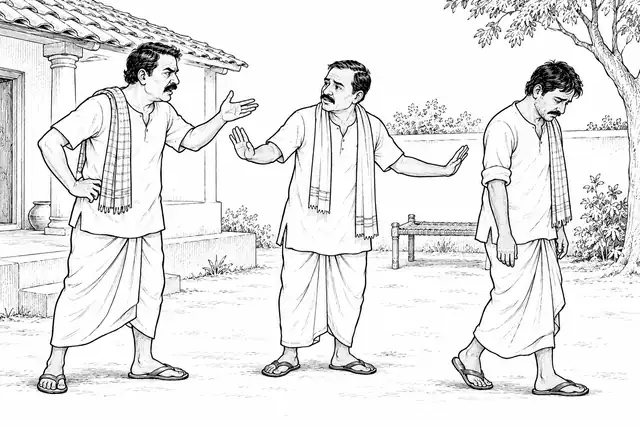
Dhaga 110 · Words & appearances
ଉତ୍ତମ ମଧ୍ୟମ ଦେବା
ଏଠାରେ ‘ଉତ୍ତମ ମଧ୍ୟମ’ ପ୍ରଶଂସା ନୁହେଁ। ଅଭିଧାନର ଉଦାହରଣରେ ଏହା ମାଡ଼ ଓ ଗାଳି ଦେଇ ବିଦା କରିବାକୁ ବୁଝାଏ।
The words may sound complimentary, but the dictionary example uses this idiom for sending someone away with blows and abuse.
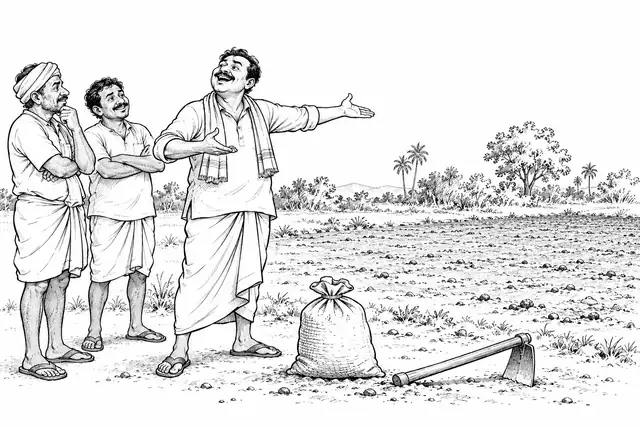
Dhaga 123 · Words & appearances
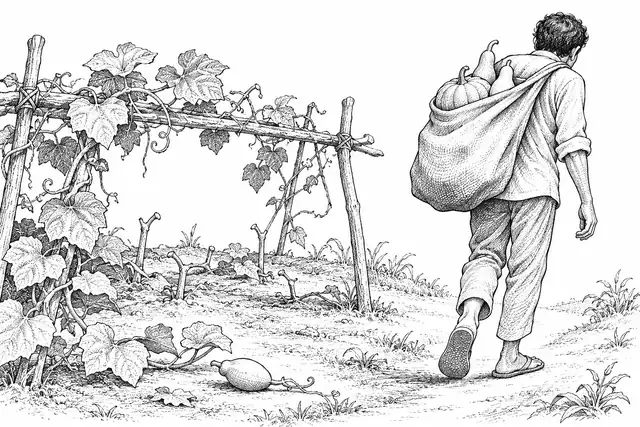
ଗାଲୁଆଙ୍କର ବାରବାଟି ଚାଷ
ଜ୍ଞାନ ବା ଦକ୍ଷତା ନଥାଇ ବଡ଼ କାମ କରିବାର ଫୁଟାଣି ମାରିବା।
Boasting of farming a large area without the knowledge or ability to do it.
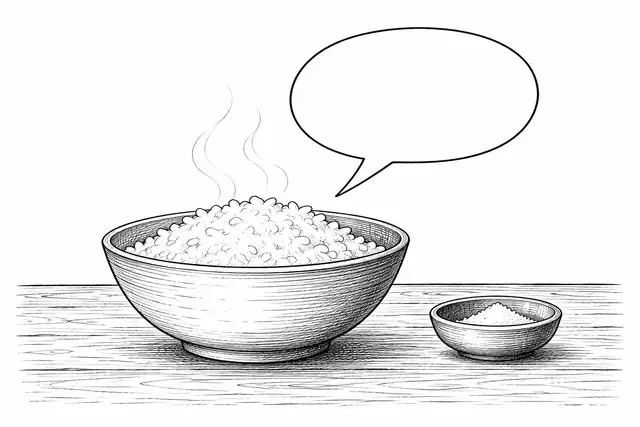
Dhaga 131 · Words & appearances
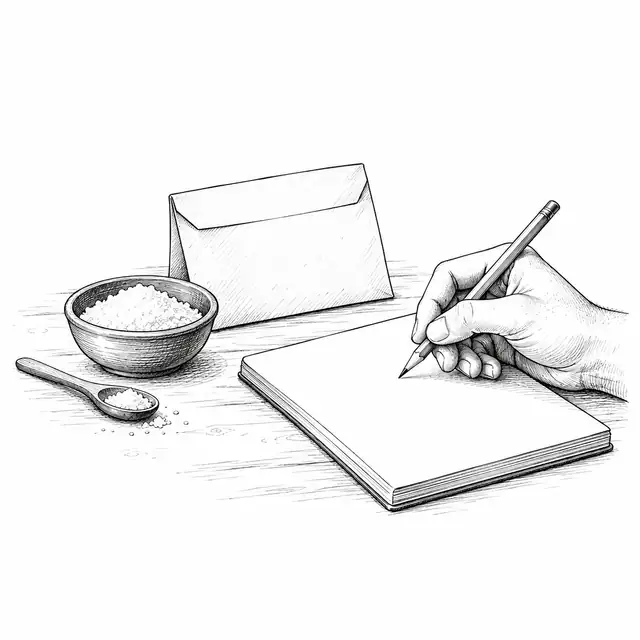
ଅଲଣା କଥା
ଯେଉଁ କଥାରେ କୌଣସି ସାର ନାହିଁ, ତାହାକୁ ଏଠାରେ ଅଲଣା କଥା କୁହାଯାଇଛି।
Food lacking salt becomes an image for talk that has little substance. It questions what the words contribute, not a person’s manner of speaking.
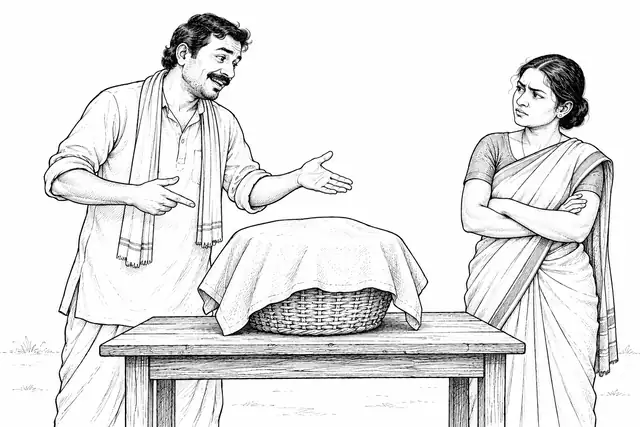
Dhaga 132 · Words & appearances
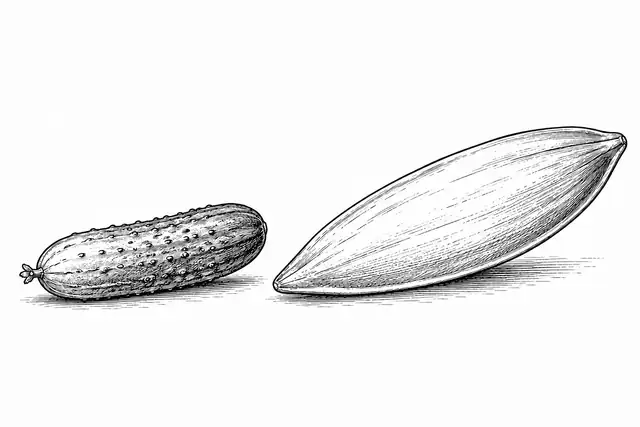
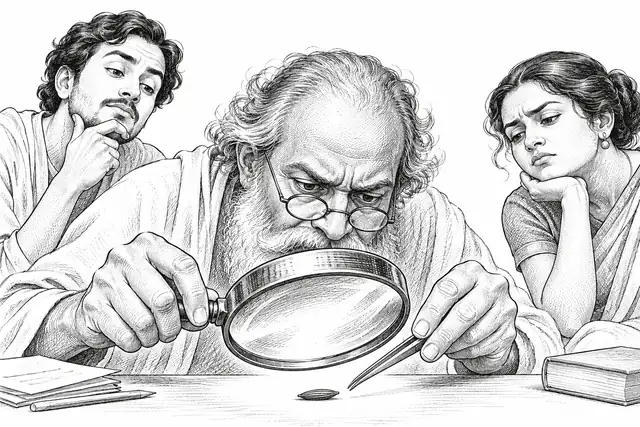
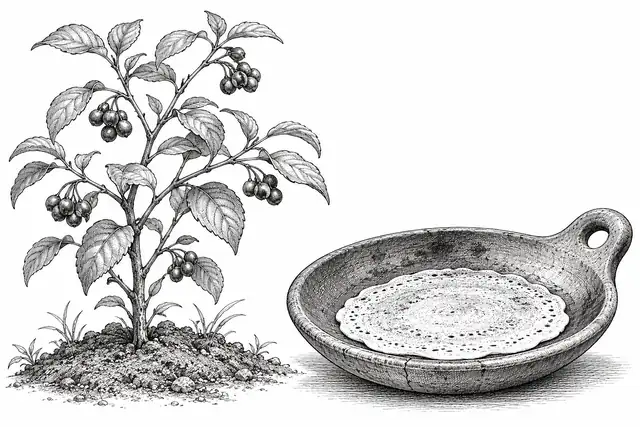
ନ ଦେଖିଲା ଓଉ ଛଫଡା
ନିଜେ ନ ଜାଣିଥିବା କଥାକୁ ନିଶ୍ଚିତ ଭାବେ ବଖାଣିବାକୁ ଏହି କଥା ସମାଲୋଚନା କରେ।
The source mocks confident description without firsthand knowledge. The stated number belongs to the boast being questioned, not a botanical lesson.
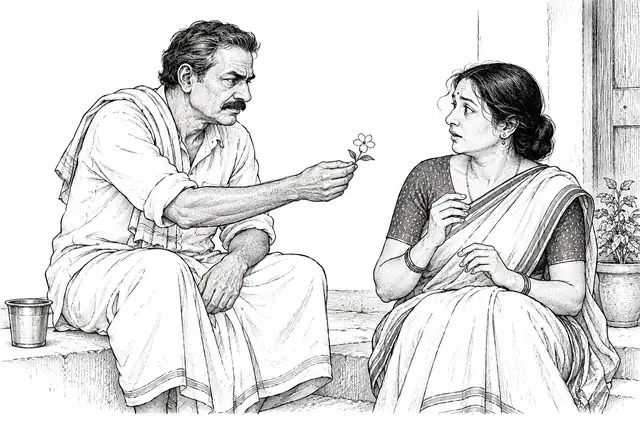
Dhaga 139 · Words & appearances
କଂସ ତୁଣ୍ଡରେ ପୁଣି କୃଷ୍ଣ କଥା ।
ଯାହାଙ୍କଠାରୁ ଭଲ କଥା ଆଶା କରାଯାଏ ନାହିଁ, ତାଙ୍କ ମୁହଁରୁ ସେହି କଥା ଶୁଣିଲେ ଏହି ବ୍ୟଙ୍ଗ କରାଯାଏ।
The contrast expresses surprise at hearing something good from someone associated with the opposite. The mythological names sharpen the irony.
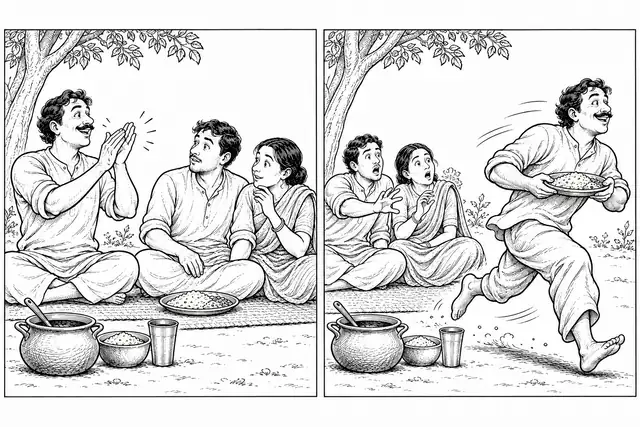
Dhaga 142 · Words & appearances
ଅଇଲା ମାଳି, ମାଇଲା ତାଳି
ଧରି ପଳେଇଲା, ଖେଚୁଡ଼ି ଥାଳି।
ଆଡ଼ମ୍ବର କିମ୍ବା ହୋହଲ୍ଲାରେ ଲୋକଙ୍କ ଧ୍ୟାନ ଅଟକାଇ ନିଜ ସ୍ୱାର୍ଥ ସାଧିବାର କୌଶଳକୁ ଏହି କଥା ଧରେ।
A show of activity diverts attention while someone takes the thing that matters. The rhyme exposes the trick rather than admiring the theft.
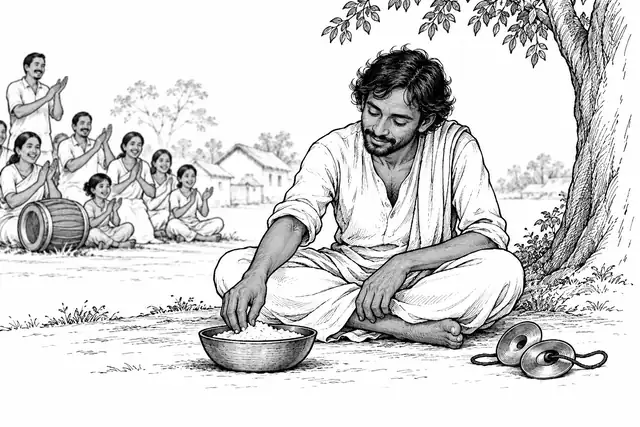
Dhaga 157 · Words & appearances
ଠକ ଠକ ମାଳି ଭଜନ ଟାଣ
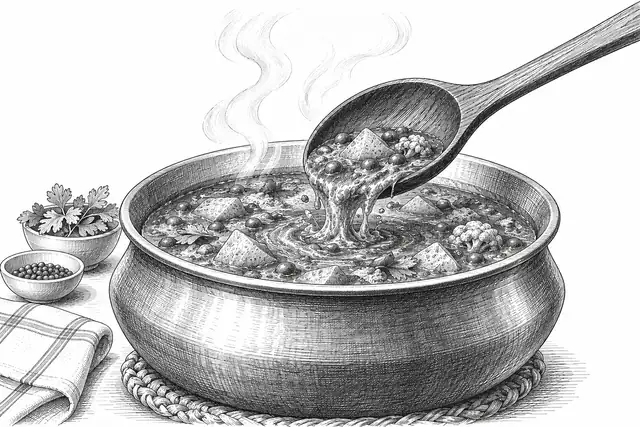
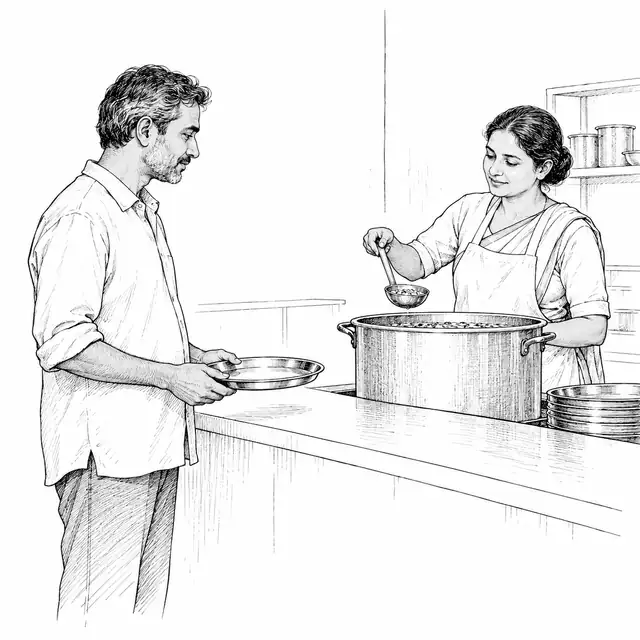
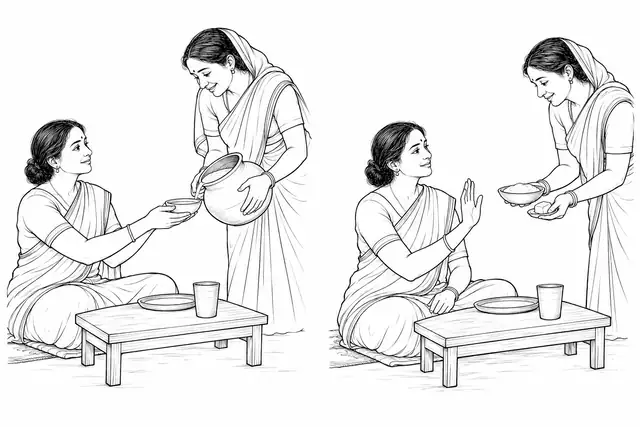
ଭୋକ କଲା ଭାତ ପାଖକୁ ଆଣ |
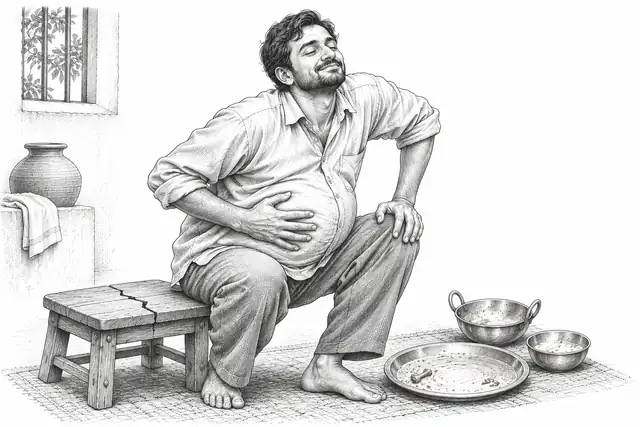
ଭକ୍ତିର ଦେଖାଣିରେ ପେଟ ପୂରେନାହିଁ; ଭୋକ ଲାଗିଲେ ଭାତ ଦରକାର।
Devotional display cannot take the place of food when hunger comes.
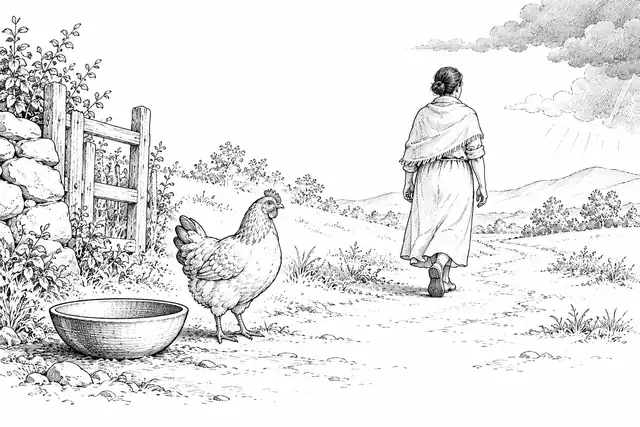
Dhaga 158 · Words & appearances
ଆତଙ୍କ ବେଳେ ଯାଚନ୍ତି କୁକୁଡ଼ା, ଆତଙ୍କ ଗଲେ ଦିଅନ୍ତି ନେଫେଡ଼ା
ବିପଦ ବେଳର ପ୍ରତିଶ୍ରୁତି, ବିପଦ ଟଳିଲେ ଖାଲି ହସ—କଥା ରଖିବାର ପରୀକ୍ଷା।
A promise made in fear gives way to a grin once the danger passes.
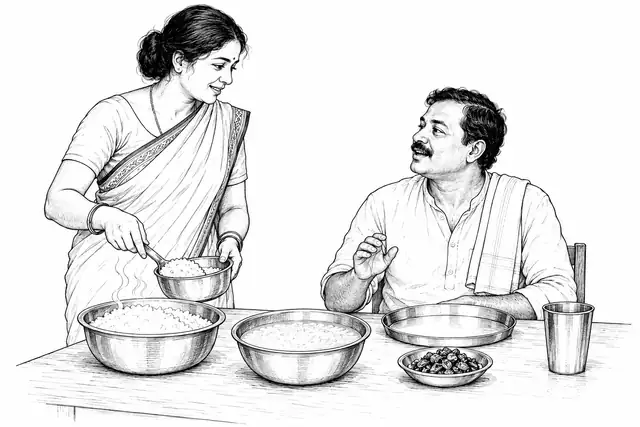
Dhaga 166 · Words & appearances
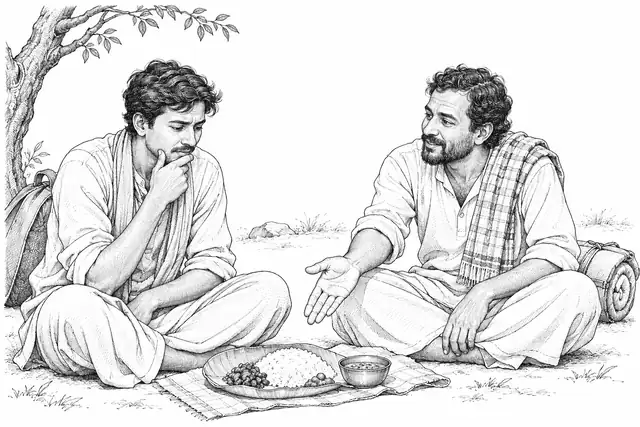
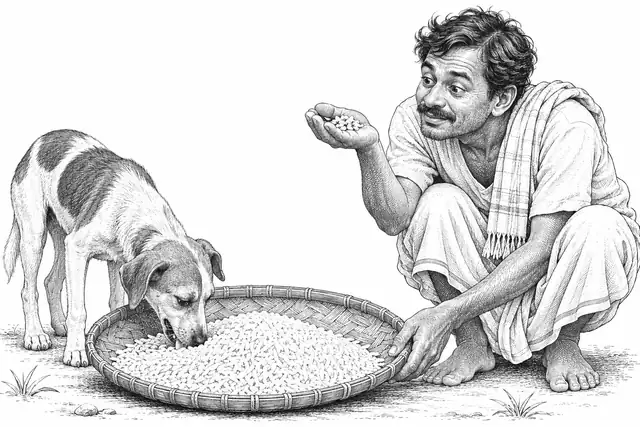
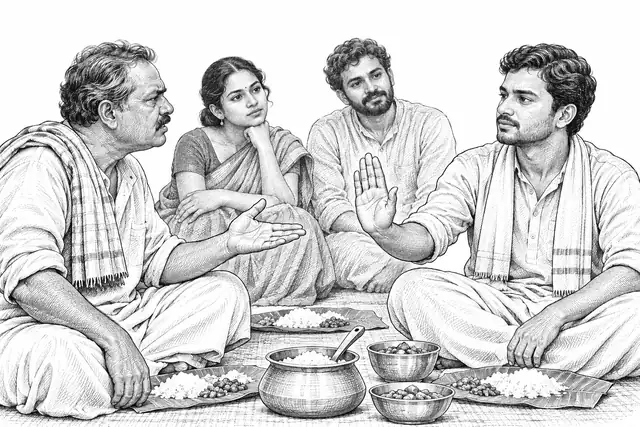
ଚଇତା ! ତବତ ଖାଇବୁ କି ପଖାଳ ଖାଇବୁ ବେଳ ଥାଉଁ ଥାଉଁ କହିଥା
ତବତ ଖାଦ୍ୟ ନା ପଖାଳ—କଣ ଖାଇବ, ତାହା ବେଳ ଥାଉଁ କହିବାକୁ ଚଇତାକୁ କୁହାଯାଉଛି।
A meal cannot be arranged around an answer that arrives too late.
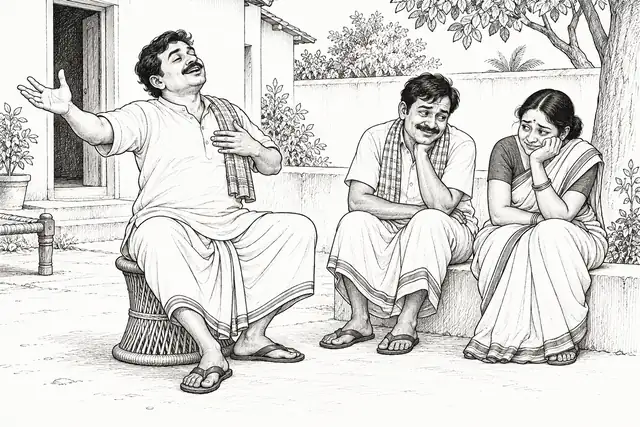
Dhaga 168 · Words & appearances
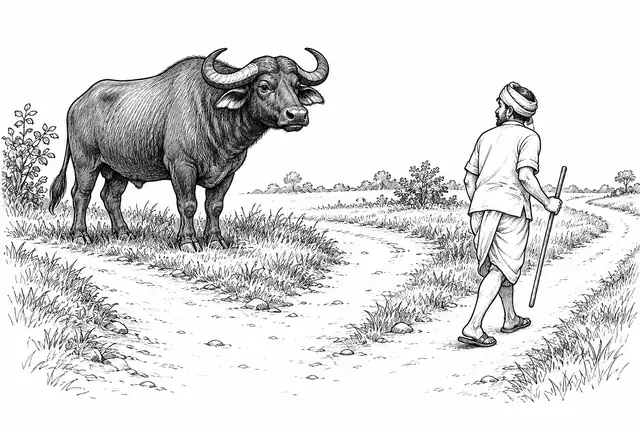
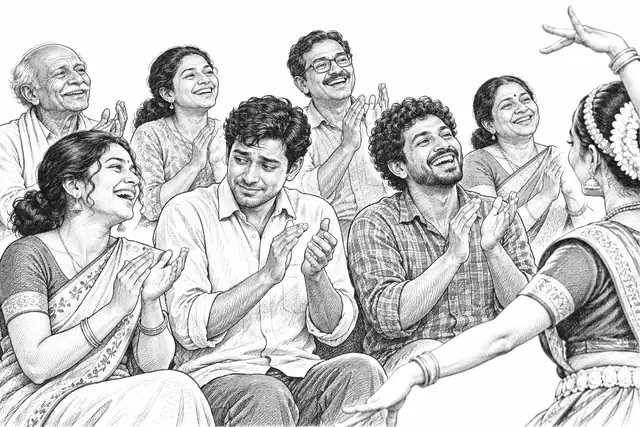
ନାଚିଲା ଲୋକକୁ ଲାଜ ନାହିଁ ଦେଖିଲା ଲୋକକୁ ଲାଜ
ଯେଉଁ ଲୋକ କାମଟି କରୁଛି, ତାକୁ ଲାଜ ଲାଗୁନାହିଁ; ଦେଖୁଥିବା ଲୋକ ତା ପାଇଁ ଅସହଜ ହେଉଛି।
The dictionary explains a mismatch: someone behaves without embarrassment while witnesses feel ashamed on that person’s behalf.
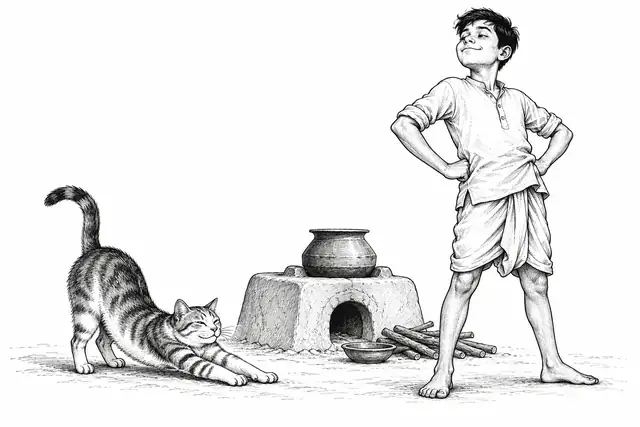
Dhaga 173 · Words & appearances
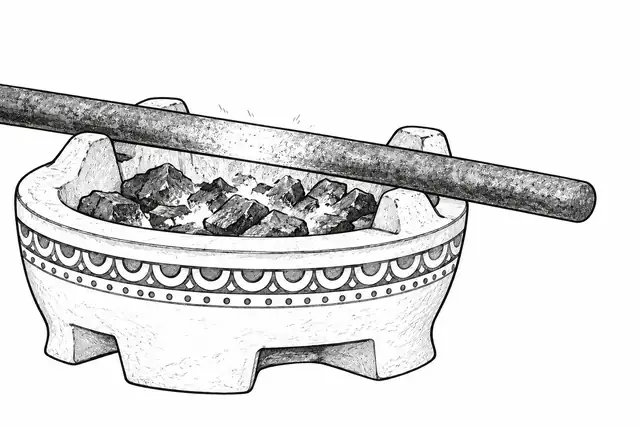
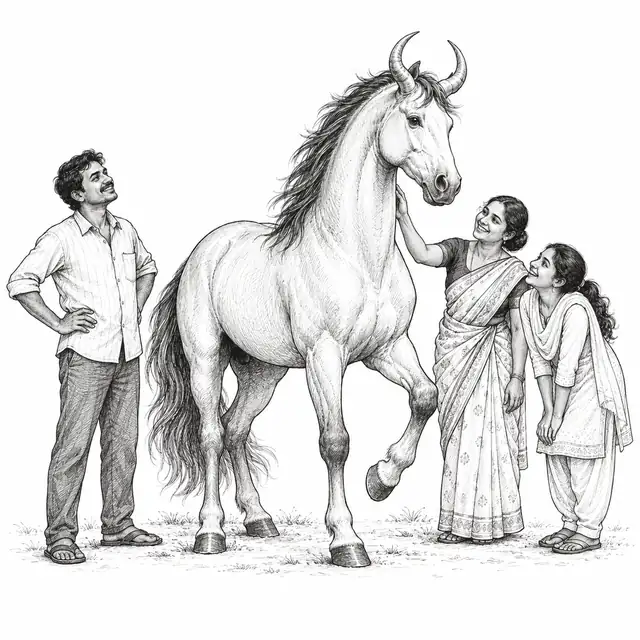
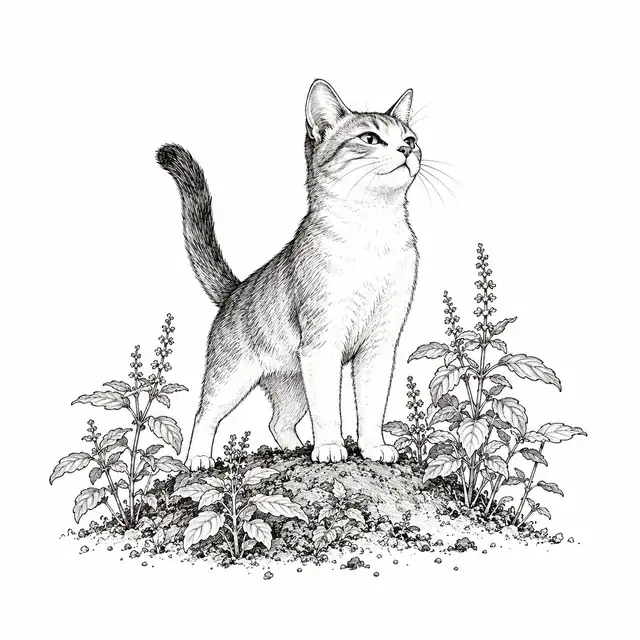
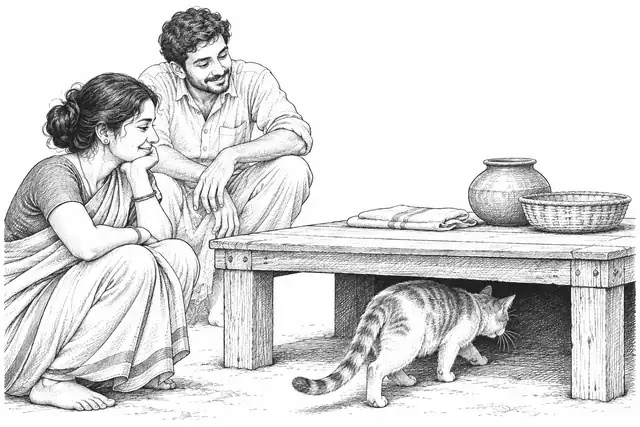
ଚୂଲିମୂଳେ ନହୁଣିଆ ପାରୁଥିବ ବିଲେଇ...
ପୁଅ ଦେଖଉଚି ନୁଖୁରା ବଡ଼େଇ...!!
ବିଲେଇର ଚୁଲିପାଖ ଚଳନ ସହ ପୁଅର ବଡ଼େଇକୁ ମିଳାଇ ଅଯଥା ଆସ୍ଫାଳନକୁ ପରିହାସ କରାଯାଇଛି।
A kitchen-side cat gives a comic counter-image to someone’s exaggerated swagger.
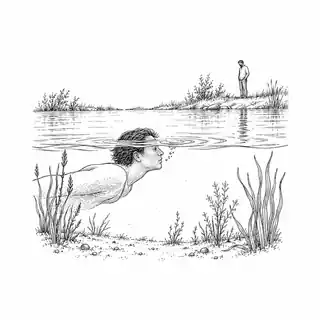
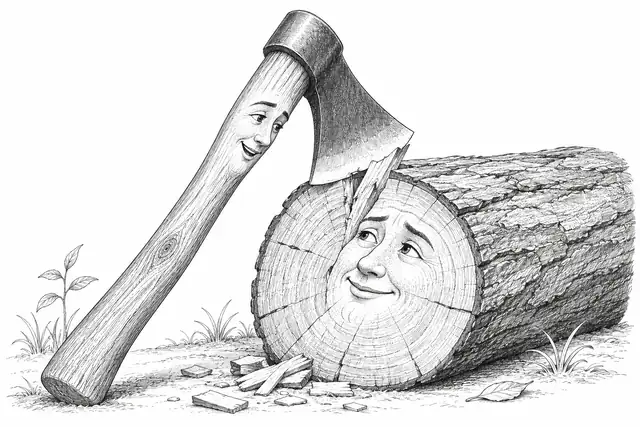
Dhaga 174 · Words & appearances
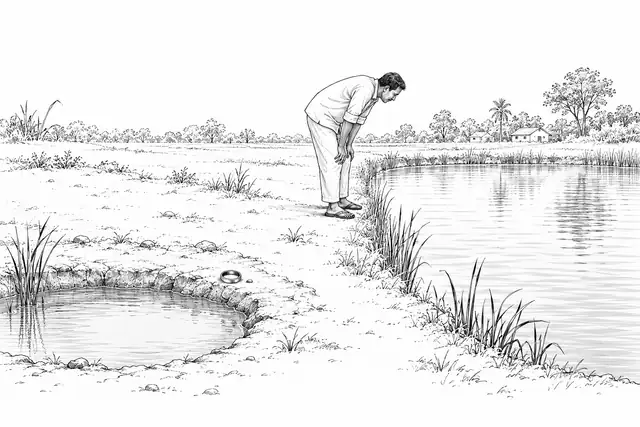
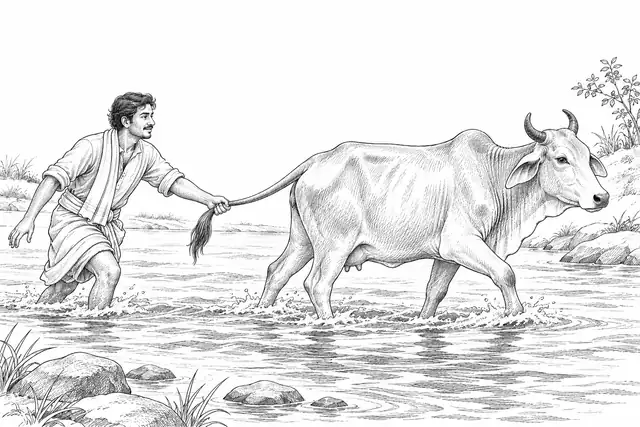
ବୁଡ଼ି କରି ପାଣି ପିଇଲେ ମହାଦେବଙ୍କ ବାପା ମଧ୍ୟ ଜାଣି ପରିବେ ନାହିଁ
ପାଣି ଭିତରେ ବୁଡ଼ିଥିବା ଲୋକ ପାଣି ପିଇଲେ, ବାହାରୁ ଦେଖୁଥିବା ଲୋକକୁ ସେ କାମଟି ଅଲଗା କରି ଜଣାପଡ଼େ ନାହିଁ।
The dictionary places this example under doing something secretly.
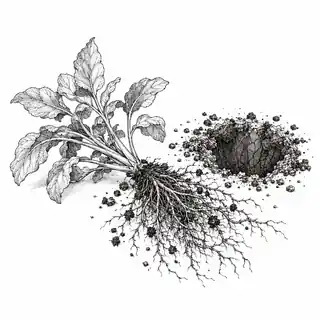
Dhaga 178 · Words & appearances
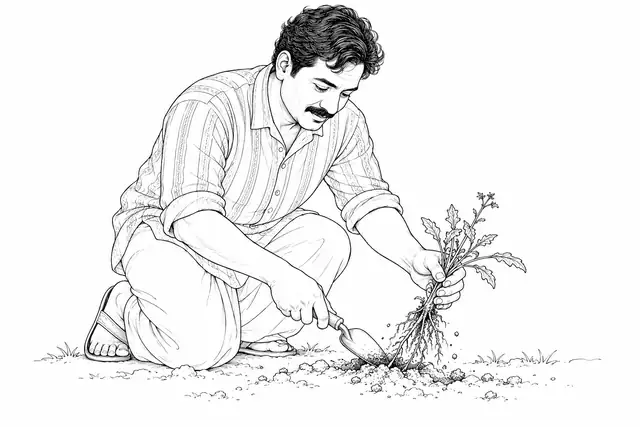
ମୂଳପୋଛ କରିବା
ସାମାନ୍ୟ କ୍ଷତି ନୁହେଁ, ସମୂଳେ ଧ୍ୱଂସ କରିବାର ତୀବ୍ର ଅର୍ଥ।
An emphatic expression for destruction that leaves nothing at the root.
Dhaga 180 · Words & appearances
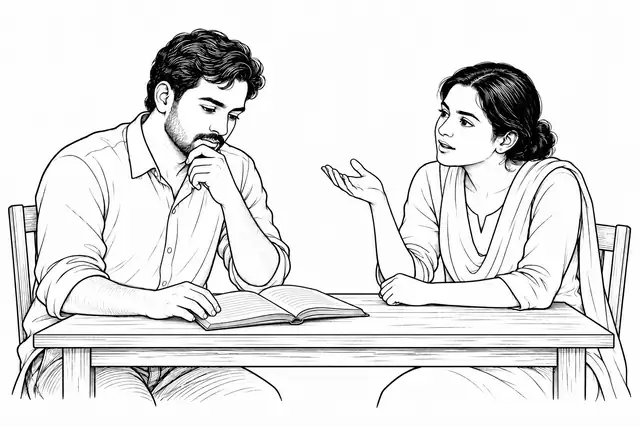
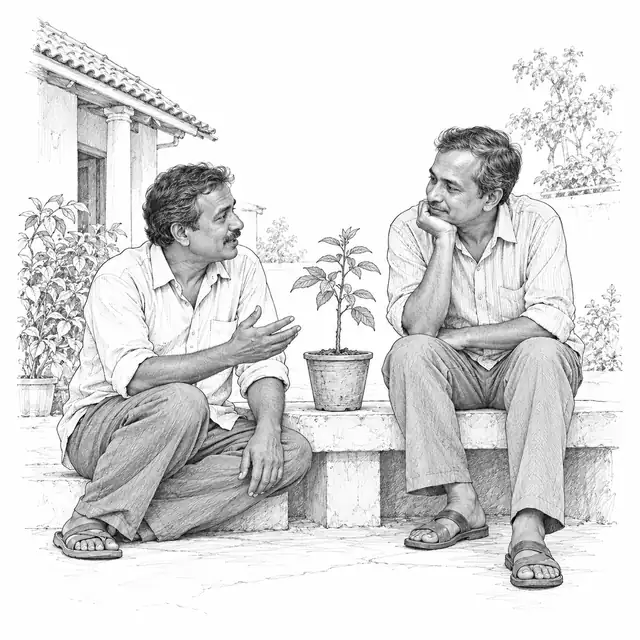
କଥା ରହିୟିବ କାଳକାଳକୁ
କଥା କହିବାର ମୁହୂର୍ତ୍ତଟି ସରିଯାଏ, ହେଲେ କହିଥିବା କଥା ମନରେ ରହିଯାଇପାରେ।
A conversation ends, but what was said can remain in memory.
Dhaga 187 · Words & appearances
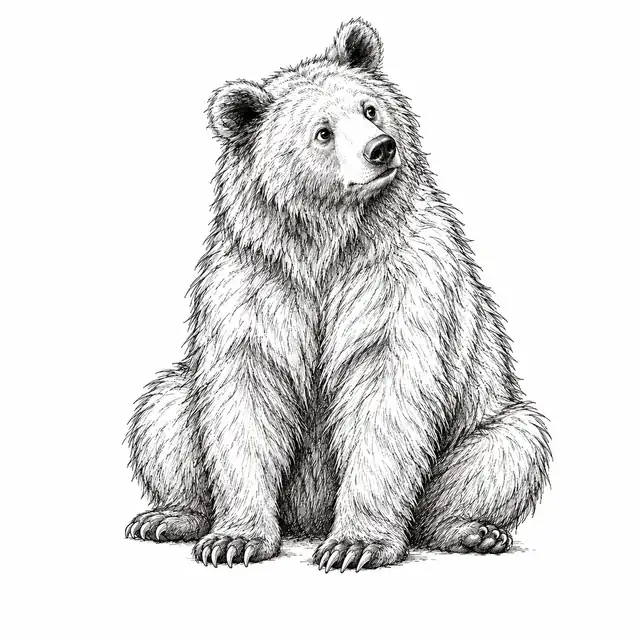
ନଖ ବାଳ ରଖି ଭାଲୁଏ ଏ କେତେ ଯୋଗୀ ହେଲେଣି?
ବାହାର ଚିହ୍ନ ରଖିଲେ ତାହା ପଛର ସାଧନା ଆସିଯାଏ ନାହିଁ।
Outward resemblance cannot replace the practice it appears to represent.
Dhaga 198 · Words & appearances
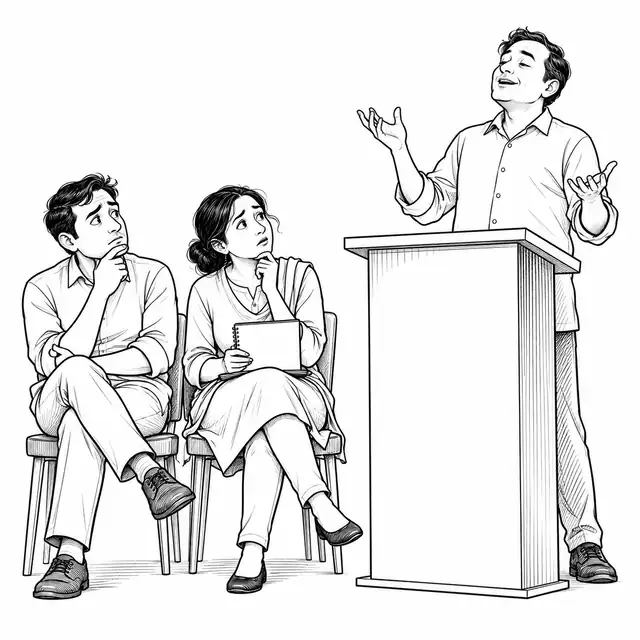
ବ୍ରହ୍ମା ବିଳିବିଳେଇଲେ ବେଦ
କହୁଥିବା ଲୋକର ମର୍ଯ୍ୟାଦାରେ ଅସ୍ପଷ୍ଟ କଥା ବି ପ୍ରମାଣ ହୋଇଯାଏ।
A speaker’s prestige can make unclear words seem authoritative.
Dhaga 210 · Words & appearances
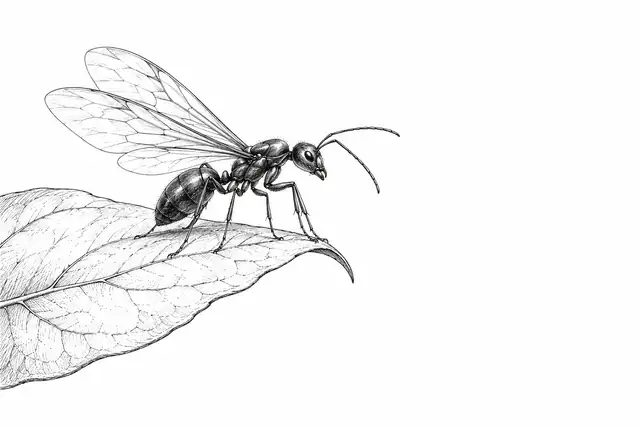
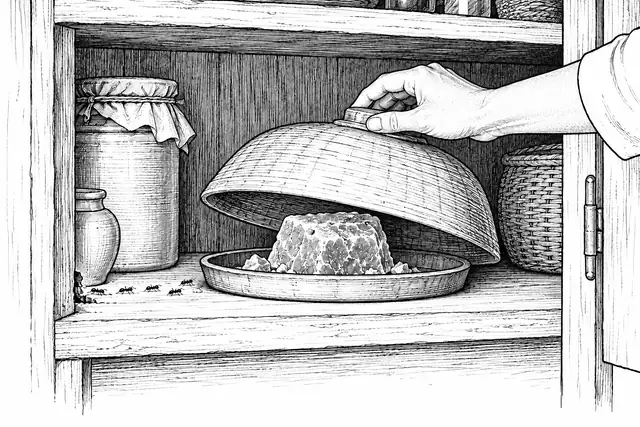
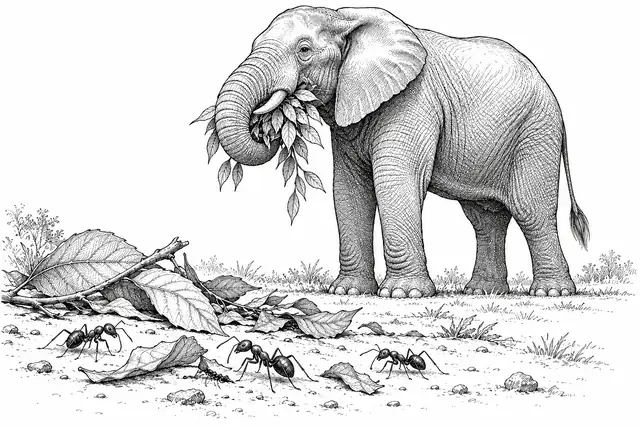
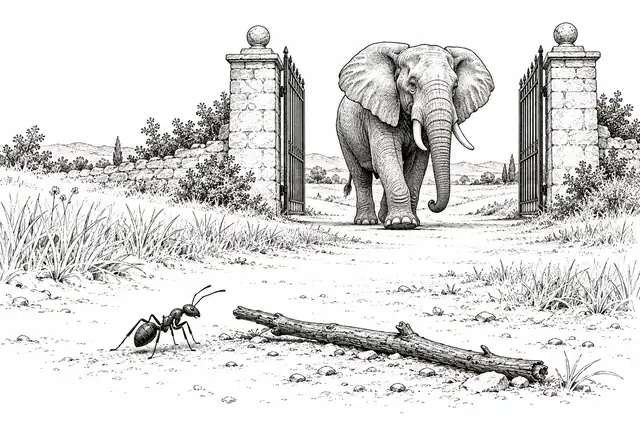
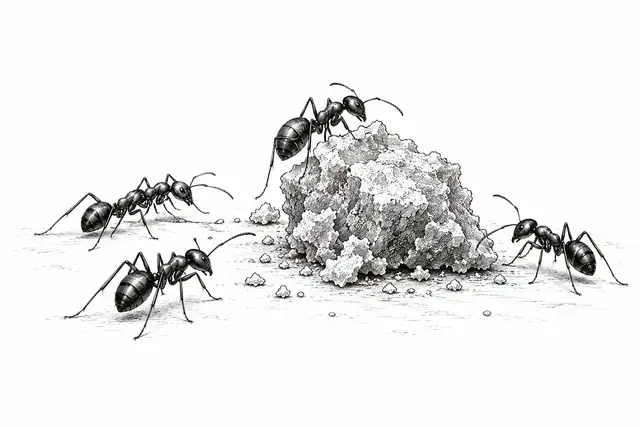
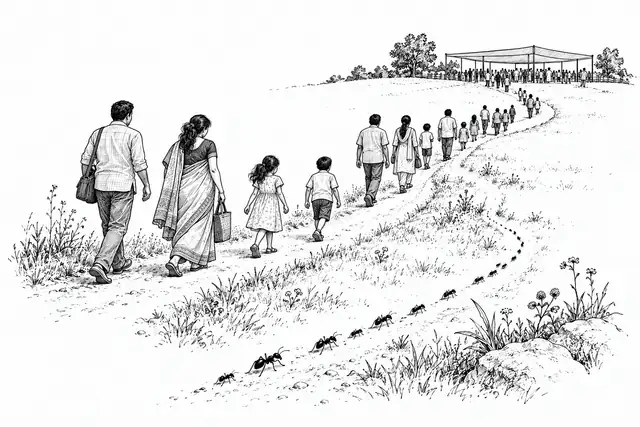
ପିମ୍ପୂଡ଼ି ଧାର ଲାଗିବା ନ୍ୟାୟ
ଲୋକଙ୍କ ଚଳନ୍ତି ଧାର ପିମ୍ପୂଡ଼ି ଧାର ପରି ଦିଶେ।
A moving crowd is pictured as a line of ants.
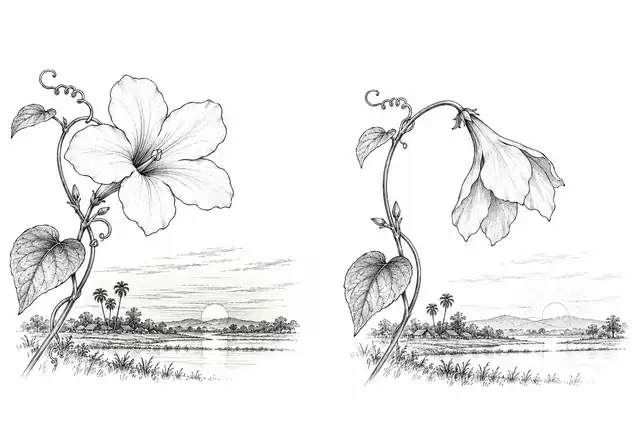
Dhaga 214 · Words & appearances
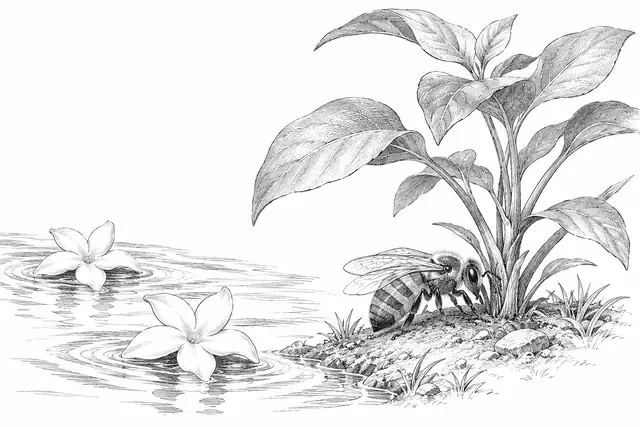
ଜହ୍ନିଫୁଲ ପରି ଆୟୁଷ ପା ସଞ୍ଜେ ଫୁଟି ସକାଳେ ଯା
ଆଶୀର୍ବାଦ ଭଳି ଶୁଣାଯାଉଥିବା କଥାଟି ସଞ୍ଜରୁ ସକାଳର ଆୟୁଷ ଦେଇ ବ୍ୟଙ୍ଗ କରେ।
An apparent blessing turns into a sharp joke about a life lasting only from dusk to morning.
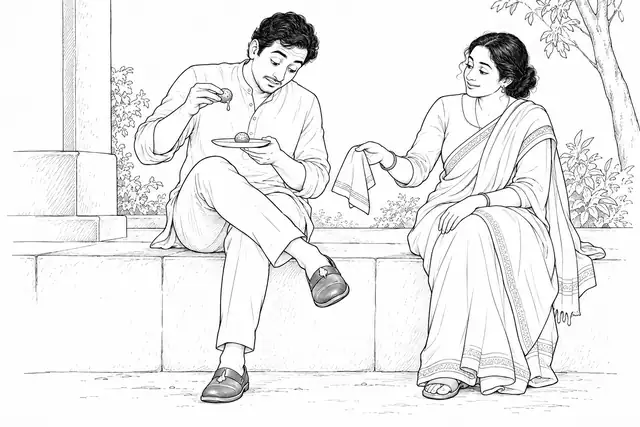
Dhaga 216 · Words & appearances
ହାଣ୍ଡିରେ ଖାଏ, ଗୋଡ଼ରେ ପଡ଼ିଲେ ଗାଧୋଇ ଯାଏ
ଏକେ ଜିନିଷ ପାଇଁ ଦୁଇ ମାପକାଠି ରଖିବାକୁ ଖୋଚା ଦେଉଥିବା ଚିତ୍ର।
The contrast invites a teasing question about standards that change with the situation.
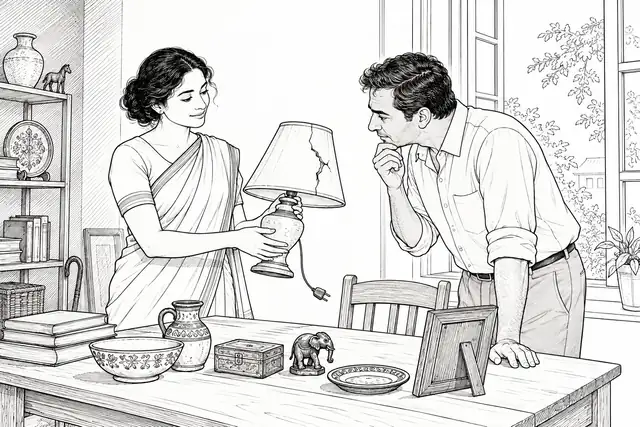
Dhaga 221 · Words & appearances
କାଣି କଉଡ଼ି ପିତା ତାଳ, ୟାକୁ ଦେଉଥିବ ରାତ୍ରିକାଳ
ଖରାପ ଜିନିଷକୁ ଅନ୍ଧାରରେ ଚଳାଇଦେବାର ଚାଲାକି ଉପରେ ଏକ ସମ୍ଭାବ୍ୟ କଟାକ୍ଷ।
One possible reading is a dry joke about passing on something poor under cover of darkness.
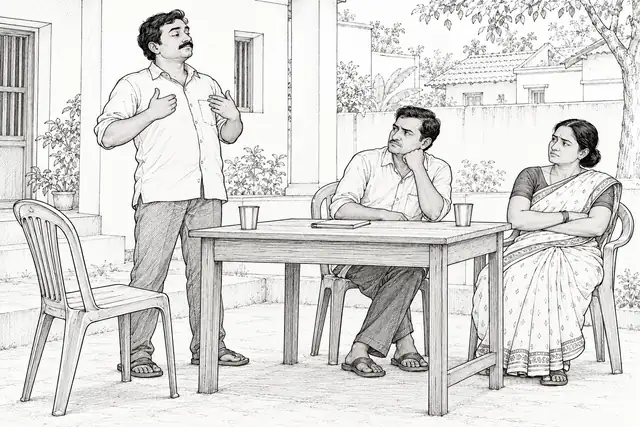
Dhaga 224 · Words & appearances
ଦେଉଳ ତୋଳେଇଲେ ନାଁ ପଡ଼େ, ବାଟରେ ହଗିଲେ ନାଁ ପଡ଼େ
ନାଁ ହେବା ମାତ୍ରେ ସୁନାମ ହୁଏନାହିଁ; କେଉଁ କାମ ପାଇଁ ହେଲା, ସେଇଟି ଅସଲ କଥା।
Attention alone cannot distinguish an admired reputation from notoriety.
Dhaga 234 · Words & appearances
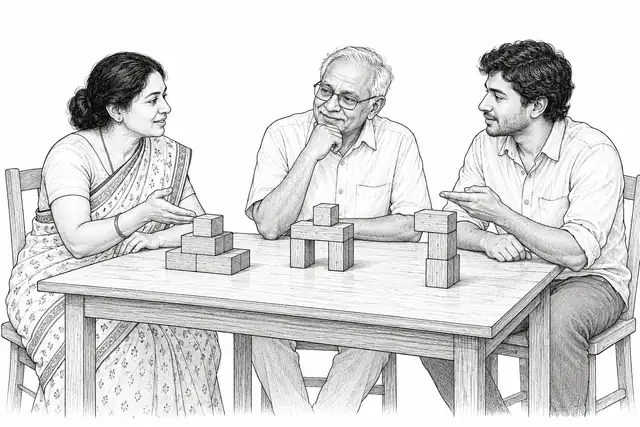
ନାନା ମୁନିଙ୍କର ନାନା ମତ
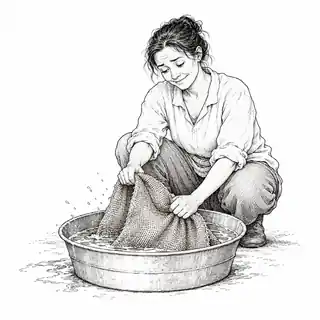
ବିଚାରଶୀଳ ଲୋକଙ୍କ ମଧ୍ୟରେ ମଧ୍ୟ ମତଭେଦ ରହିପାରେ।
Disagreement can remain even among thoughtful people.
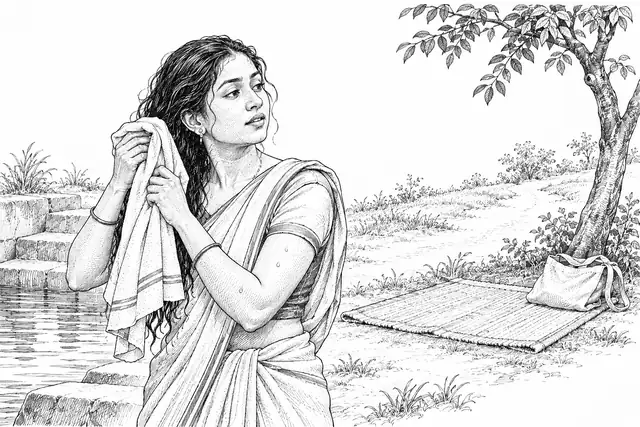
Dhaga 238 · Words & appearances
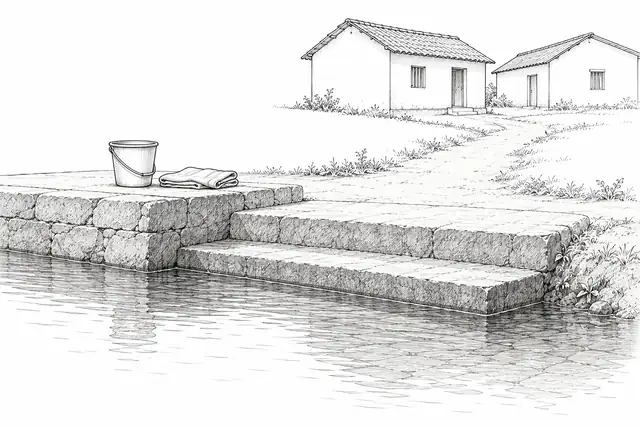
ଗାଁଆଁ ପରିମଳ ଧୋବା ତୁଠରୁ ଜଣା
ବଡ଼ ପ୍ରଶଂସା ସହ ସାଧାରଣ ବ୍ୟବହାରର ସ୍ଥାନ ମଧ୍ୟ ପରିଚୟ ଦେଇପାରେ।
An ordinary shared place may reveal more than a grand claim of reputation.
Dhaga 249 · Words & appearances
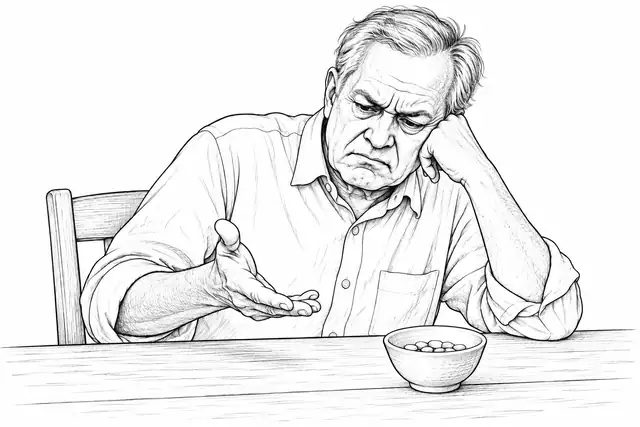
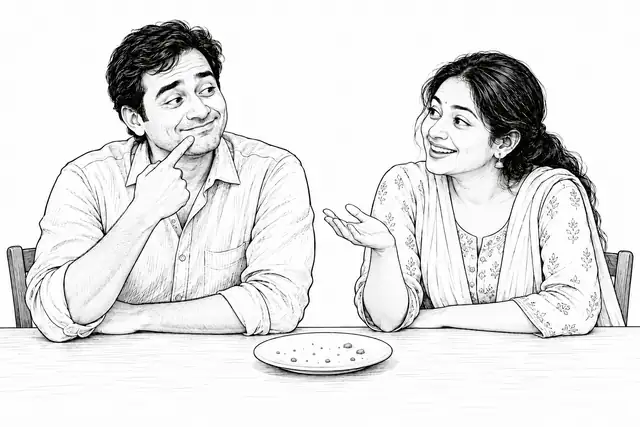
ମୁଁ ଖାଇ ନାହିଁ, ପାଟି ଖାଇଚି ନିୟାମ କରିବା ଆସ
ନିଜ କାମର ଦାୟ ପାଟି ଉପରେ ପକାଇ ଏଡ଼ାଇବାର ହାସ୍ୟକର ସଫେଇ।
An absurd division between a person and their mouth makes an evasive excuse visible.
Dhaga 251 · Words & appearances
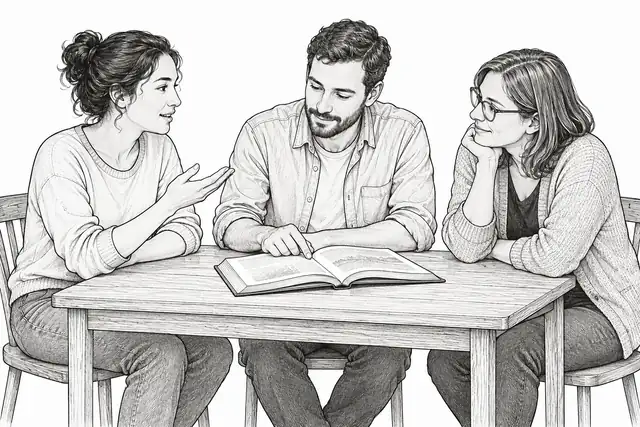
ଶତିକଈ ପୁରସ୍ତମ ଗଲା, ତୁଣ୍ଡ଼ କଥା କହି କହି ମଲା
କଥାର ପୁନରାବୃତ୍ତି ରସ ତିଆରି କରେ, କିନ୍ତୁ ନାରୀଙ୍କୁ ଟାହିର ଲକ୍ଷ୍ୟ କରିବା ପ୍ରଶ୍ନଯୋଗ୍ୟ।
A gendered taunt exaggerates relentless talking; our reading questions its target.
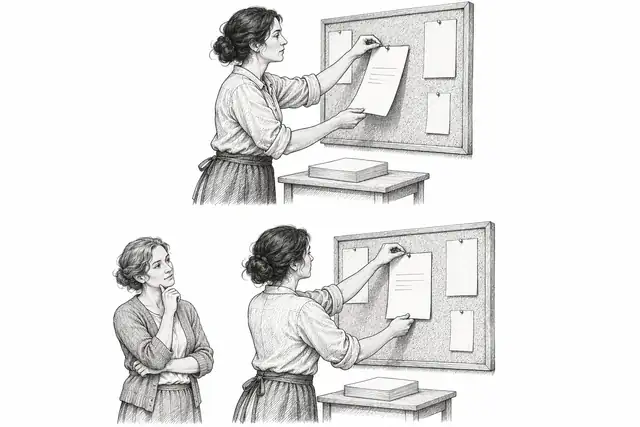
Dhaga 254 · Words & appearances
ଡାହାଣୀ ହୋଇ ଲାଗିବା; ଗୁଣିଆ ହେଇ ଝାଡିବା
ନିଜେ ସମସ୍ୟା କରି ତାହାର ସମାଧାନର ଶ୍ରେୟ ନେବାର ଚିତ୍ର ଆମ ପଢ଼ାରେ ଆସେ।
Our reading sees the same person creating a problem and claiming credit for its remedy.
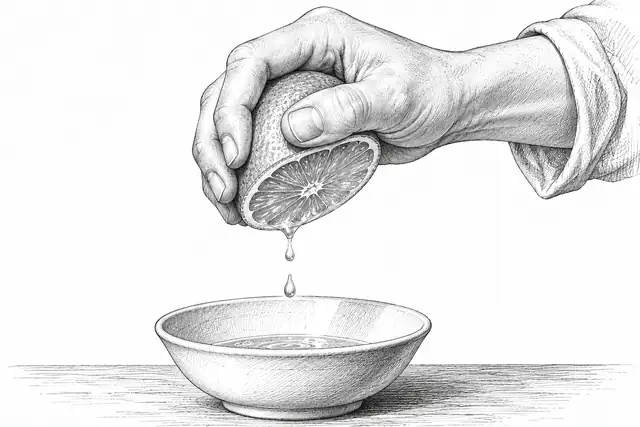
Dhaga 257 · Words & appearances
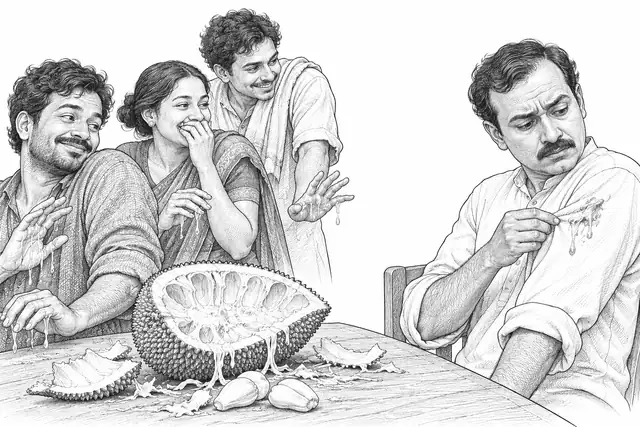
ରସ ଗଳିତଂ ଥପଂ ଥପଂ
ଟୋପା ଟୋପା ରସ ଗଳିବାକୁ ଶବ୍ଦର ଲୟ ଅନୁସରେ।
A descriptive sound-play formula follows juice falling drop by drop.
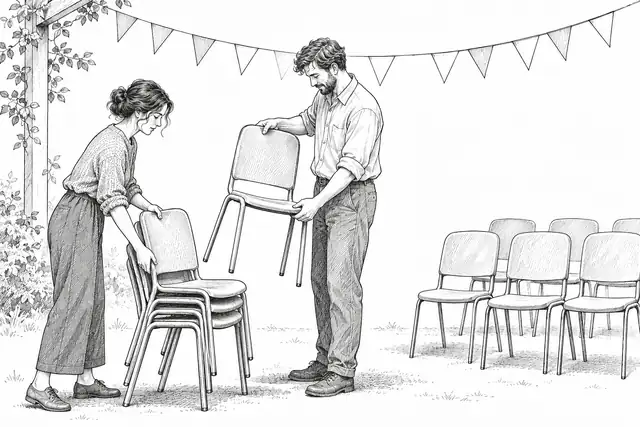
Dhaga 267 · Words & appearances
ଦୁନିଆ ଦୋରଙ୍ଗ
ବିରୋଧର ଛୋଟ ଚିତ୍ର; ଦୁଇ ପାର୍ଶ୍ୱକୁ ଆମ ଉଦାହରଣ ପୂରଣ କରେ।
A short image of contrast leaves its two sides open; our example supplies one pair.
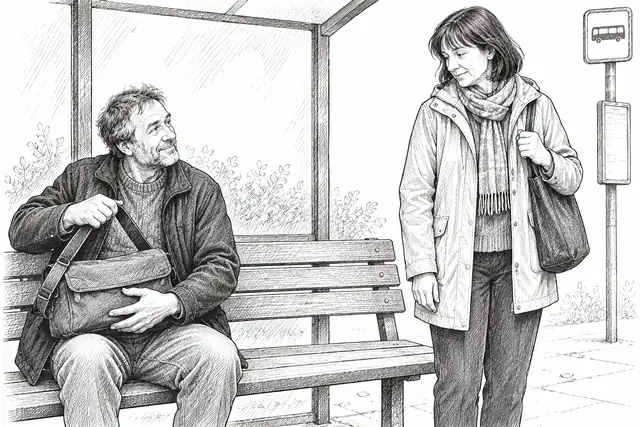
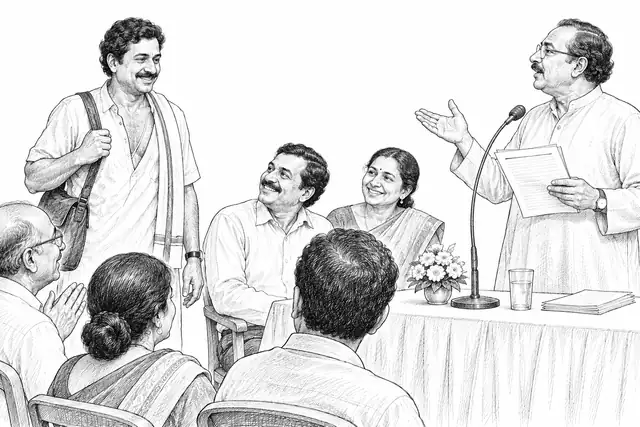
Dhaga 273 · Words & appearances
ମହତଲୋକର ମହତ କଥା
ପୁନରାବୃତ୍ତିରେ ଉଦାର କଥା ବା କାମର ପ୍ରଶଂସା ହୋଇପାରେ।
The repetition can praise generous words or conduct without specifying status.
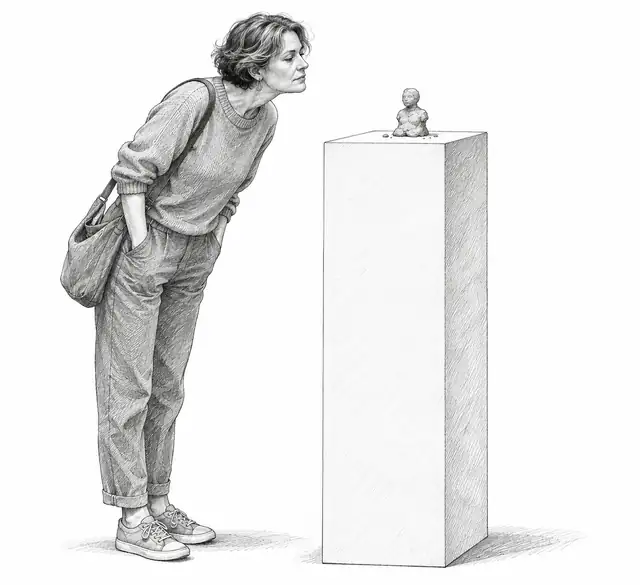
Dhaga 276 · Words & appearances
ନାମ ବଡ଼ା ଦର୍ଶନ ଥୋଡ଼ା
ବଡ଼ ଖ୍ୟାତି ସହ କାମର ଅଯୋଗ୍ୟତାର ବିରୋଧ।
The source contrasts a large reputation with inadequate performance.
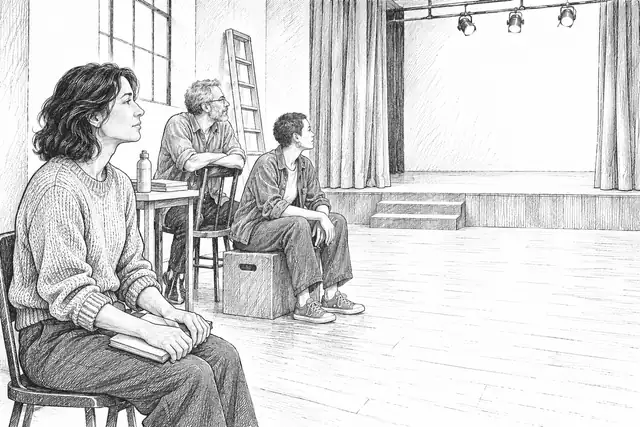
Dhaga 283 · Words & appearances
ମଉନମୁହୀଁର ଅପାର ଗୁଣ
ବ୍ୟଙ୍ଗ୍ୟ ପ୍ରଶଂସାର ଅଭିଯୋଗକୁ ଆମ ପଢ଼ା ପ୍ରଶ୍ନ କରେ।
Ironic praise conceals an accusation that our reading questions.
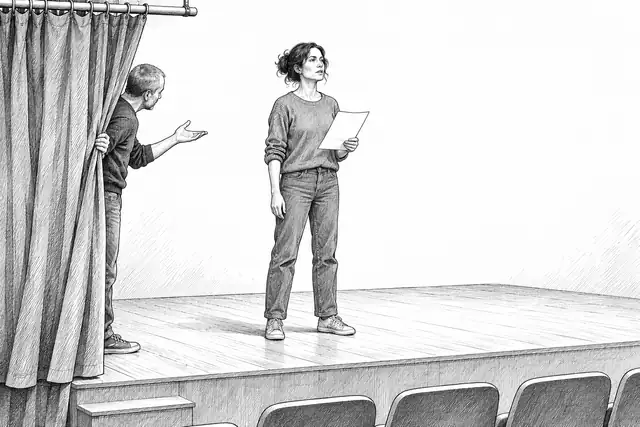
Dhaga 301 · Words & appearances
ନାଟର ଗୁରୁ ଗୋବର୍ଦ୍ଧନ ଦାସ
ଆଗରେ କାମ କରୁଥିବା ଲୋକଙ୍କ ପଛରେ ଥିବା ସୂତ୍ରଧରକୁ ଏହି ପଦଟି ବୁଝାଏ।
A named theatrical idiom points to concealed direction behind visible action.
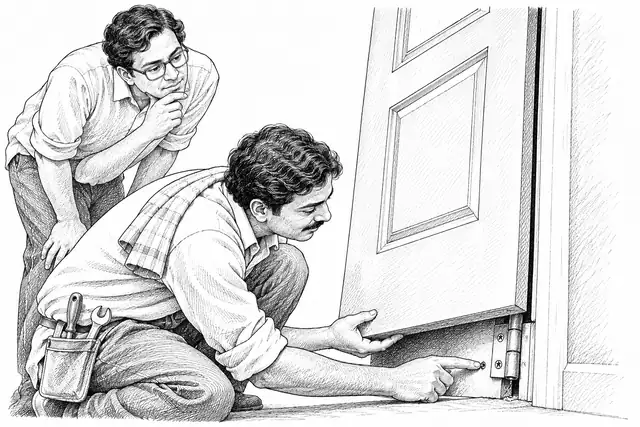
Dhaga 308 · Words & appearances
ଦାଈକୁ ପେଟ ଛପାଇବା ନ୍ୟାୟ
ଆମ ପାଠ ସମ୍ପୃକ୍ତ ଅଭିଜ୍ଞତା ଥିବା ଲୋକଙ୍କଠାରୁ କଥା ଲୁଚାଇବାର ଚେଷ୍ଟାକୁ ଦେଖେ।
Our reading concerns attempted concealment from someone with relevant experience.
Dhaga 311 · Words & appearances
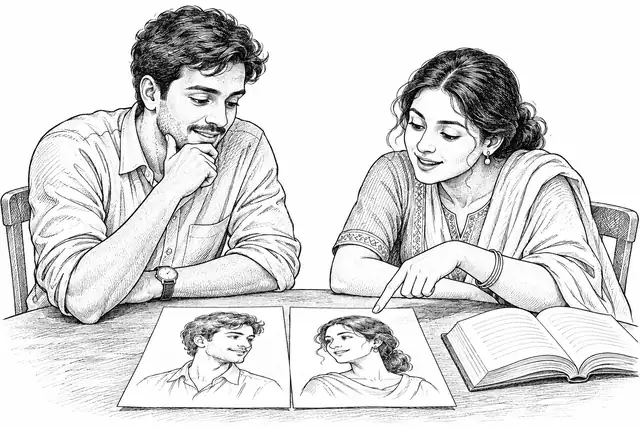
ଧନ୍ୟ ସେ ପ୍ରଜାପତି, ବରକୁ କନ୍ୟା ଘଟାଘଟି
ଆମ ପାଠ ପରସ୍ପରର ମେଳକୁ ଦେଖେ, ବକ୍ତାଙ୍କ ସ୍ୱରକୁ ନିଶ୍ଚିତ କରେନାହିଁ।
Our reading follows the source’s mutual-fit gloss without fixing the speaker’s tone.
Dhaga 314 · Words & appearances
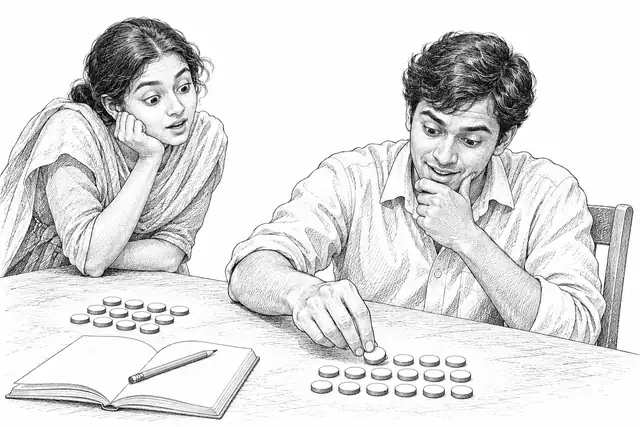
ଏ କଥାଟା ସତ, ହେଲେ ପାଉ ନାହିଁ
ଆମ ପାଠ ସତ୍ୟର ଦାବିକୁ ବିଶ୍ୱାସ ହେବାର ଅନୁଭବଠାରୁ ଅଲଗା କରେ।
Our reading distinguishes a claim of truth from the experience of believing it.
Dhaga 316 · Words & appearances
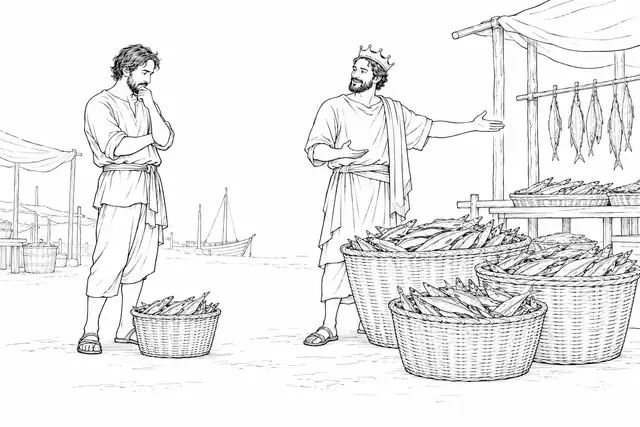
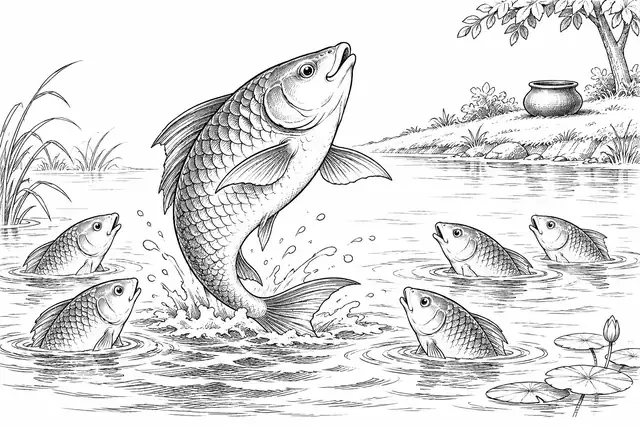
ଭାକୁଡ଼ମାଛ ଥାଇ ବୋଇଲା ମୁଁ ମାଛଙ୍କ ମଧ୍ୟରେ ରଜା ମୋ ମୁଣ୍ଡକୁ ସୋରୁଆ କଲେ ଦେଖିବୁ କେଡ଼େ ମଜା
ଆମ ପାଠରେ ଆତ୍ମପ୍ରଶଂସାର ପ୍ରମାଣ ଭାବେ ବକ୍ତା ନିଜକୁ ଆଗକୁ ଆଣୁଛି।
Our reading notices a boast that offers the speaker itself as evidence of its value.
Dhaga 320 · Words & appearances
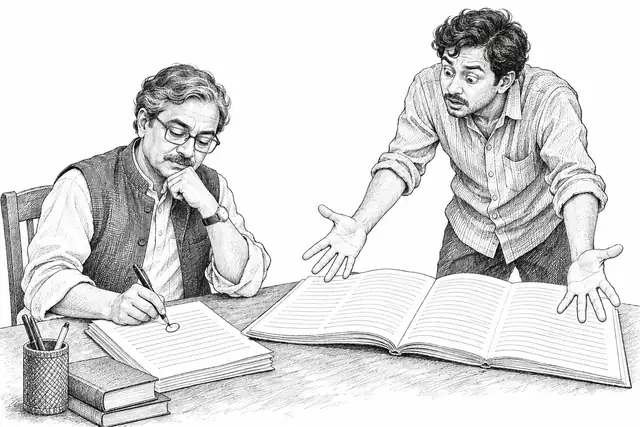
ଟିକିଏ ନିଖିଏ ବଥାକୁ ଏତେ ବଡ଼ କରିବା ନ୍ୟାୟ
ଆମ ପ୍ରୟୋଗ ବଢ଼ାଇ କହିବାକୁ ପ୍ରଶ୍ନ କରେ, ବଥା ଭୋଗୁଥିବା ବ୍ୟକ୍ତିଙ୍କୁ ନୁହେଁ।
Our application questions an enlarged description, not the credibility of a person in pain.
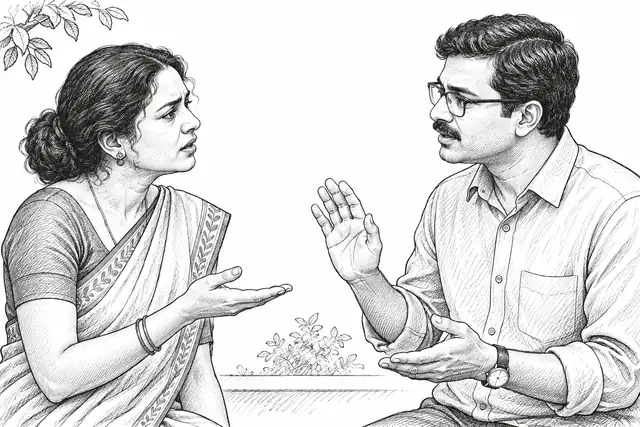
Dhaga 321 · Words & appearances
ତୁ ତ ନୋହୁ, ତୁ କାହିଁ ପାଇଁ ଦିହକୁ ନଉ
ଆମ ପାଠ ବକ୍ତାଙ୍କ କୁହାଯାଇଥିବା ଲକ୍ଷ୍ୟ ଓ ଶ୍ରୋତାଙ୍କ ଅନୁଭବକୁ ଅଲଗା କରେ।
Our reading distinguishes the speaker’s stated target from the listener’s experience.
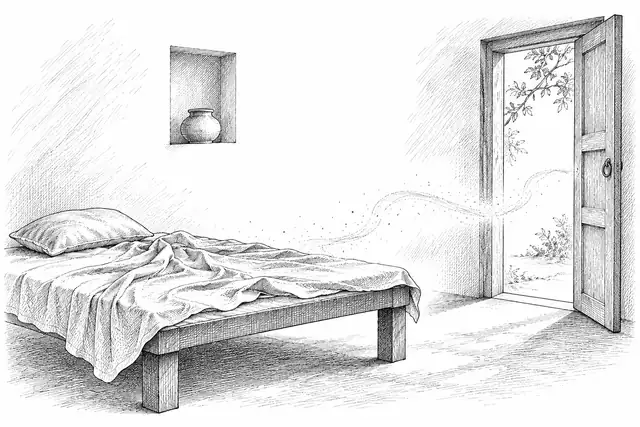
Dhaga 327 · Words & appearances
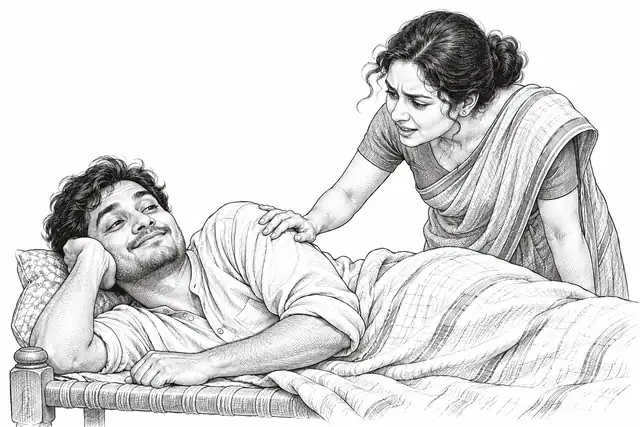
ଶୋଇଲା ଶେଯରୁ ଉଠେଇ ନେଲା ପକେଇ ମନ୍ତର ଧୁଳି
ଆମ ପାଠ ଅବୁଝା ପରିବର୍ତ୍ତନକୁ ରଖେ, କାହାଣୀର ଖାଲି ଜାଗା ପୂରାଏନାହିଁ।
Our reading preserves an unexplained disturbance without completing its story.
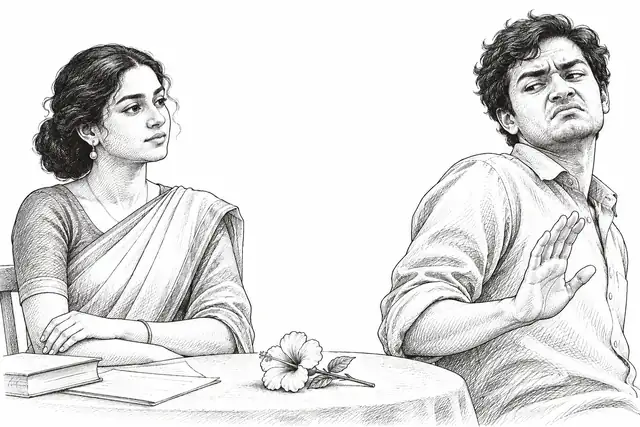
Dhaga 328 · Words & appearances
ଅପୂର୍ବ କାନ୍ତି, ତତେ ଦେଖି କରି ମାଡ଼ୁଛି ବାନ୍ତି
ଆମ ପାଠ ପ୍ରଶଂସା ଆଢ଼ୁଆଳରେ ଅପମାନକୁ ପ୍ରଶ୍ନ କରେ।
Our reading questions praise used to deliver an insult.
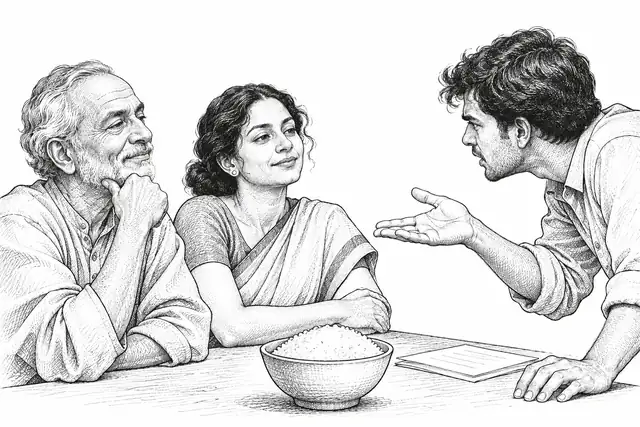
Dhaga 331 · Words & appearances
ତାକୁ ଭାତ ମକମକଉଛି, ନାଁ ବୟସ ମକମକଉଛି?
ଆମ ପ୍ରତିକ୍ରିୟା ବକ୍ତାଙ୍କ ଅଭିଯୋଗକୁ ପ୍ରମାଣିତ କାରଣଠାରୁ ଅଲଗା କରେ।
Our response separates the speaker’s accusation from an established cause.
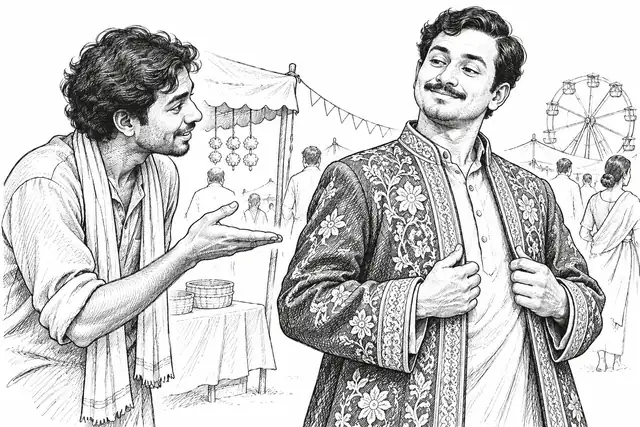
Dhaga 335 · Words & appearances
ପର ଲୁଗା ପିନ୍ଧି ଯାତକୁ ଯାଏ ଲୋକ ପଚାରିଲେ ମୁଣ୍ଡ ଟୁଙ୍ଗାରୁ ଥାଏ
ଆମ ପାଠ ମୁଣ୍ଡ ଟୁଙ୍ଗାରିବାର ଅର୍ଥ ଖୋଲା ରଖେ, ସ୍ୱୀକାରୋକ୍ତି ଗଢ଼େନାହିଁ।
Our reading leaves the nod’s meaning open rather than supplying a confession.
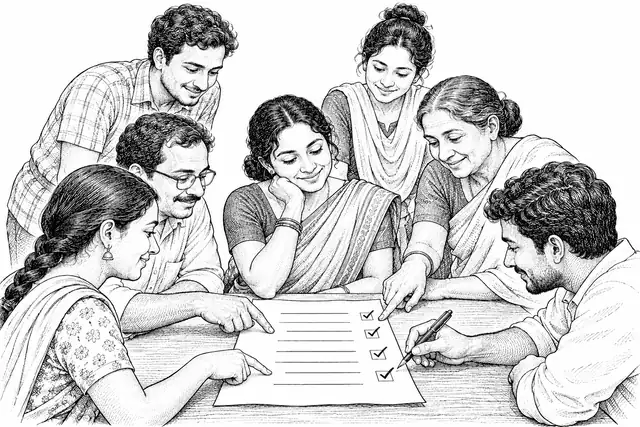
Dhaga 338 · Words & appearances
ଶହେ ଭାକା, ଏକଲେଖା
ଅନେକ ମୁହଁର କଥା ପାଖରେ ଗୋଟିଏ ଲିଖିତ କଥାର ମହତ୍ତ୍ୱ ଦିଶେ।
Many spoken words are set beside a single lasting record.
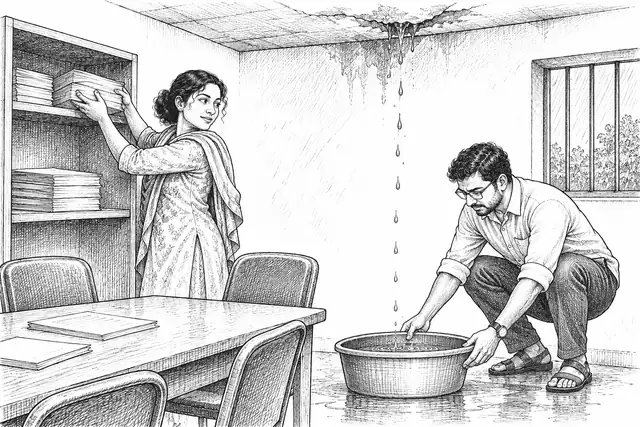
Dhaga 343 · Words & appearances
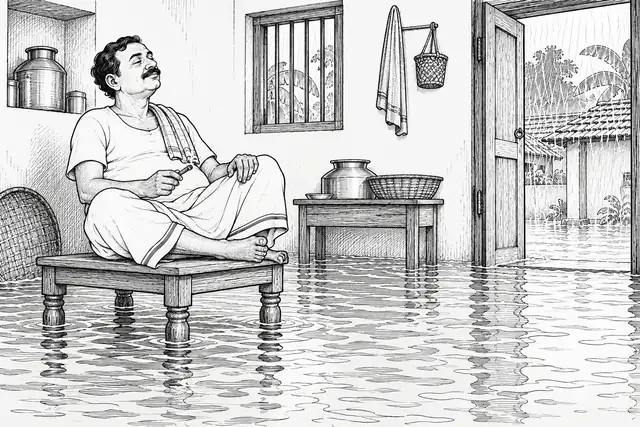
ଘରବୁଡ଼ି ପାଣି ଆଣ୍ଠୁଏ ହେଲାଣି, କଣା ବୋଲେ ମେଘ ଦୁଲୁକୁଛି
ଆମ ପାଠ ପ୍ରଭାବକୁ ଦେଖେ, ଦୃଷ୍ଟିବାଧା ସମ୍ବନ୍ଧୀୟ ତାଚ୍ଛଲ୍ୟକୁ ସମର୍ଥନ କରେନାହିଁ।
Our reading attends to consequences without endorsing the disability taunt.
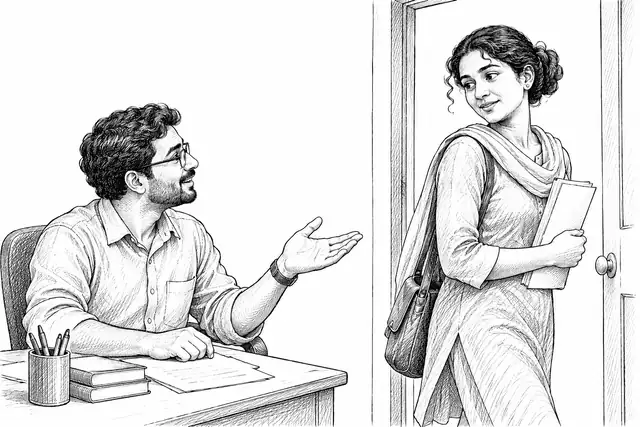
Dhaga 344 · Words & appearances
ତୁମ୍ଭେ ଯହିଁ ପାଇଁ ଘଷରପଶର ଆମେ ସେ କଥାଟି ଜାଣୁ
ବକ୍ତା ଜାଣିବାର ଦାବି କରନ୍ତି; ଆମ ପାଠ ତାକୁ ପ୍ରମାଣ ମାନେନାହିଁ।
The speaker claims insight; our reading leaves that claim unproved.
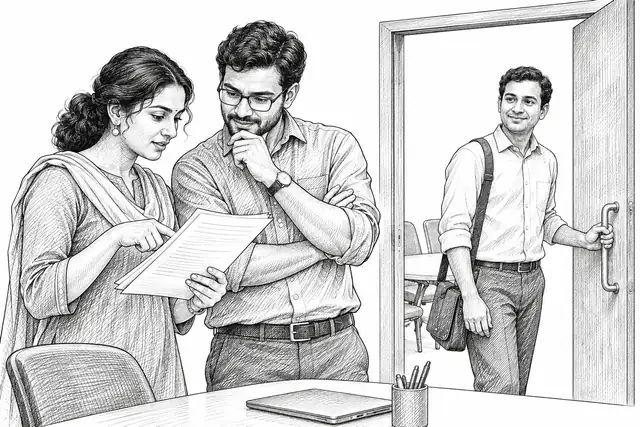
Dhaga 348 · Words & appearances
ଛଡ଼ାକାନ ମନ୍ତ୍ର ଭେଦ
ଆମ ପାଠରେ ଜାଣିବାର ପରିସର ବଢ଼େ, ବିଶ୍ୱାସଘାତ ଅନିବାର୍ଯ୍ୟ ନୁହେଁ।
Our reading tracks a wider circle, not inevitable betrayal.
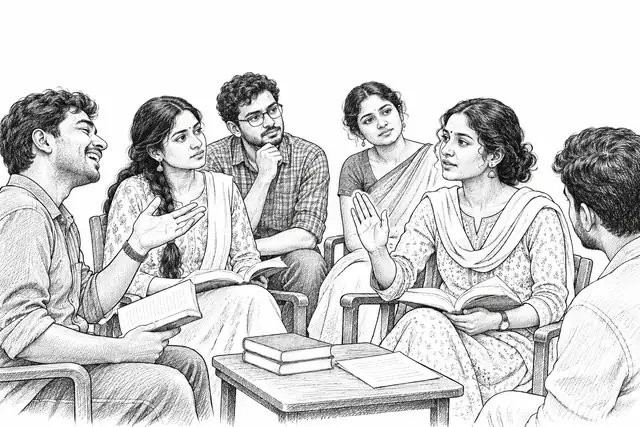
Dhaga 349 · Words & appearances
କାଳୀମାୟୀ, ଚୂନ ବୋଳିଲେ କି ଗୋରୀ ହୋଇ?
ରଙ୍ଗକୁ ମୂଲ୍ୟର ମାପ କରିବା ଧାରଣାକୁ ଆମ ପାଠ ପ୍ରଶ୍ନ କରେ।
Our critical response questions the colour hierarchy implied by the taunt.
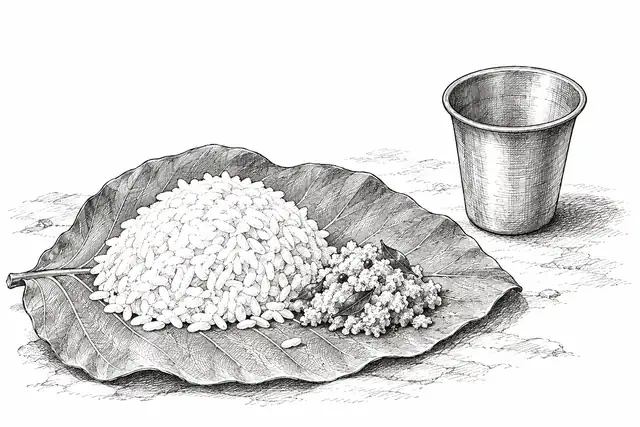
Dhaga 353 · Words & appearances
ରୁଖାଶୁଖା) (୧) ଖାଏ ଯେ, ରୁଖାଶୁଖା (୩) ହୁଏ ସେ
ଏକେ ପଦ ଖାଦ୍ୟ ଓ ଦେହକୁ ଯୋଡ଼େ; କାରଣର ଦାବି ଯାଞ୍ଚିତ ନୁହେଁ।
Repeated wording links food and body; the causal claim remains unverified.
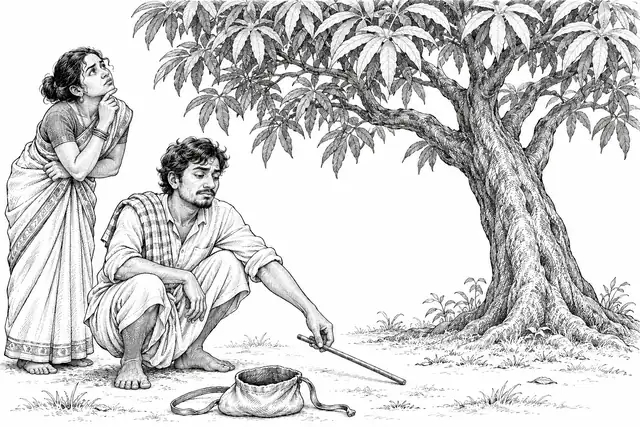
Dhaga 356 · Words & appearances
ଆମ୍ୱ ଗଛରେ ଆମ୍ୱ ନାହିଁ ଫୋପାଡ଼ କାହିଁକି ମାରୁ? ମୋ ଅଣ୍ଟାରେ ତ ପଇସା ନାହିଁ ଆଖି କାହିଁ ପାଇଁ ଠାରୁ?
ଦୁଇ ପ୍ରଶ୍ନ ଆଶାକୁ ଆହ୍ୱାନ କରେ; ଆଖିଠାରର ଅର୍ଥ ଅକୁହା।
Two questions challenge an expectation; the eye signal’s meaning stays open.
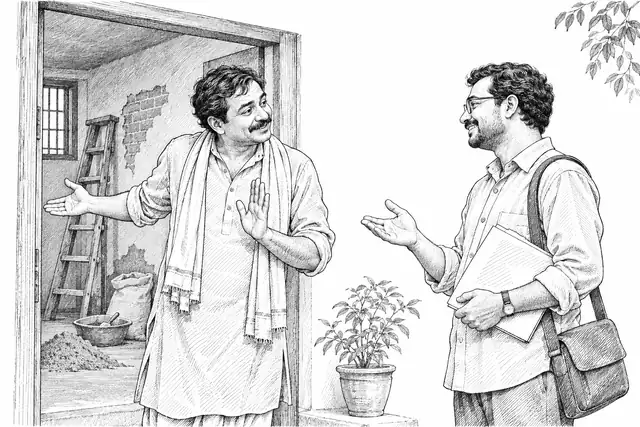
Dhaga 358 · Words & appearances
ମନରେ ଅଛି କକରଶ, ମିଛେ ବୋଲେ ବନ୍ଧୁ ବସ ବସ
ବାରମ୍ବାର ଡାକ ସହ ପଦରେ କୁହାଯାଇଥିବା ମନର ଭାବ ମେଳେନାହିଁ।
Repeated welcome contrasts with the feeling the line describes.
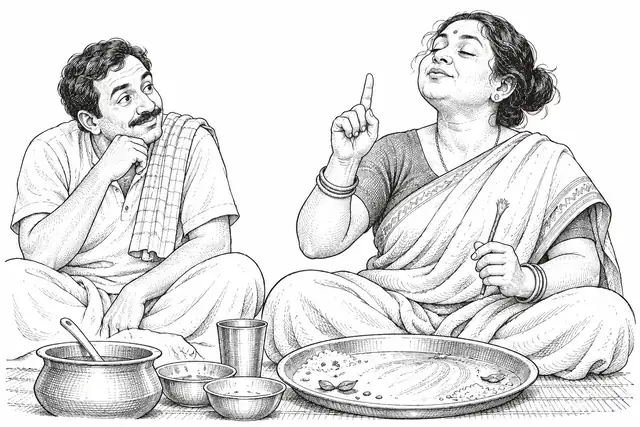
Dhaga 359 · Words & appearances
ଅଖାଇ କରିଚି ଓଷା
ଡୋଲିକ ଚାଉଳ ଓଳିକେ ଖାଇଲା
ଦାନ୍ତ ଅଛି ଦରଘଷା।
କାମରେ ନଥିବା ସଂଯମକୁ କଥାରେ ଦେଖାଇବାର ବ୍ୟଙ୍ଗ।
A claim of self-denial rings hollow after the indulgence has already happened.
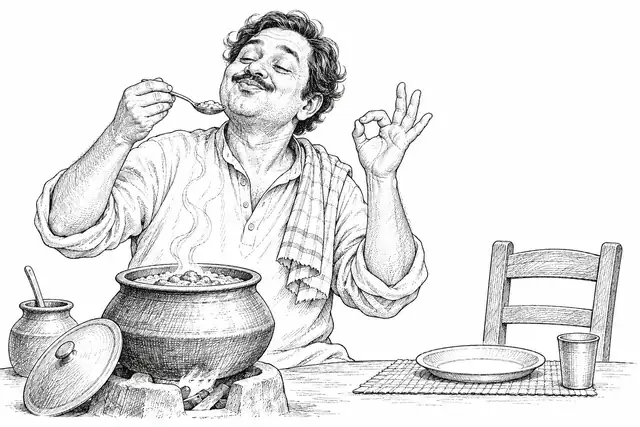
Dhaga 372 · Words & appearances
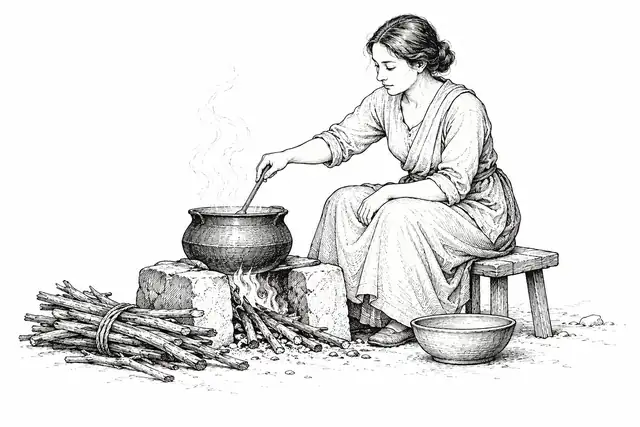
ଆପେ ରାନ୍ଧି ଆପେ ଖାଏ
ସୁଆଦ ସୁଆଦ ବୋଲୁଥାଏ ।
ନିଜ କାମକୁ ନିଜେ ବାରମ୍ବାର ବାହାବା ଦେବାର ଥଟ୍ଟା।
The maker is also the loudest admirer of the work.
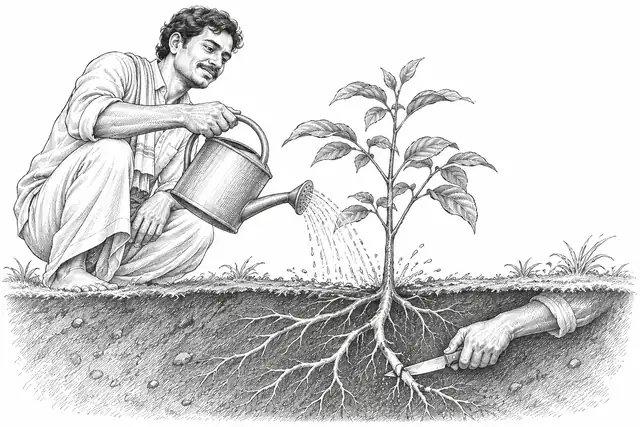
Dhaga 377 · Words & appearances
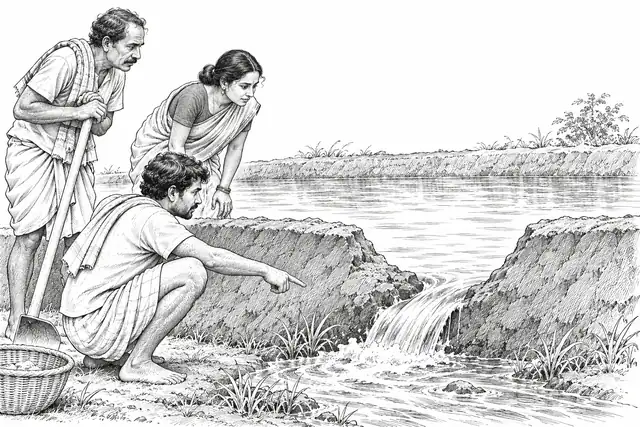
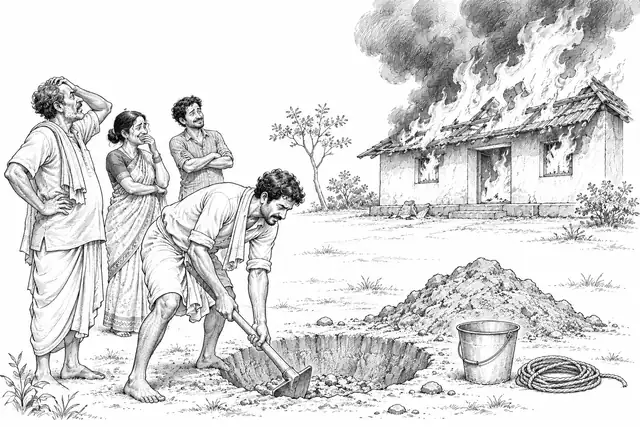
ଉପରେ ଉପରେ ପାଣି ଛିଞ୍ଚୁଚି
ଭିତରେ ଭିତରେ ଶିଅ କାଟୁଛି।
ଉପକାରର ଦେଖାଣି ଆଢ଼ୁଆଳରେ ଗୋପନ କ୍ଷତି।
A show of care hides damage to the very thing being supported.
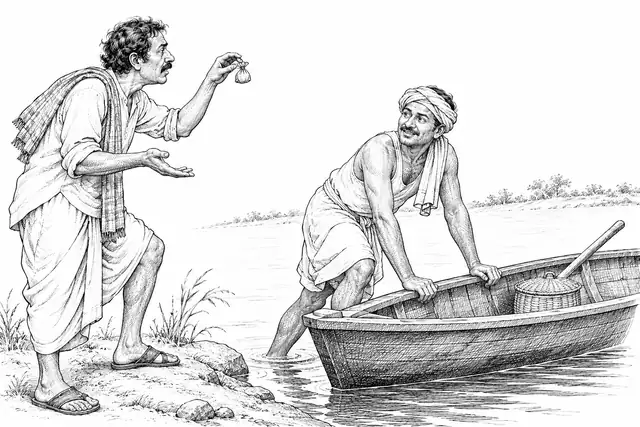
Dhaga 379 · Words & appearances
ଏଇ କଥାକୁ ,
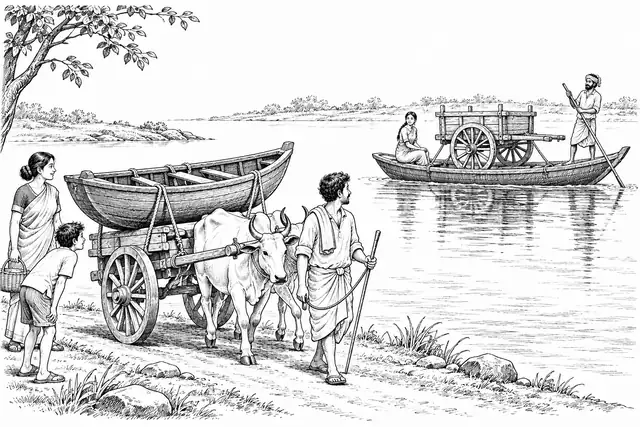
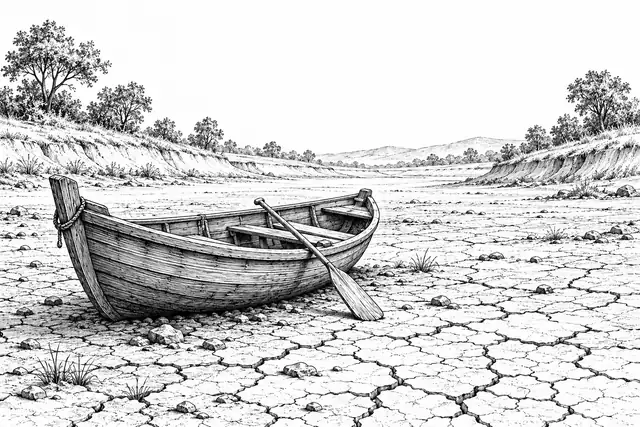
ନାଆ ପେଲିଦେଲି କଲିକତାକୁ।
ଛୋଟ କଥା ପାଇଁ ବଡ଼ ଆୟୋଜନକୁ ନେଇ ଥଟ୍ଟାର ପ୍ରତିକ୍ରିୟା।
A playful “all that fuss for this?” framed as a boat trip to Calcutta.
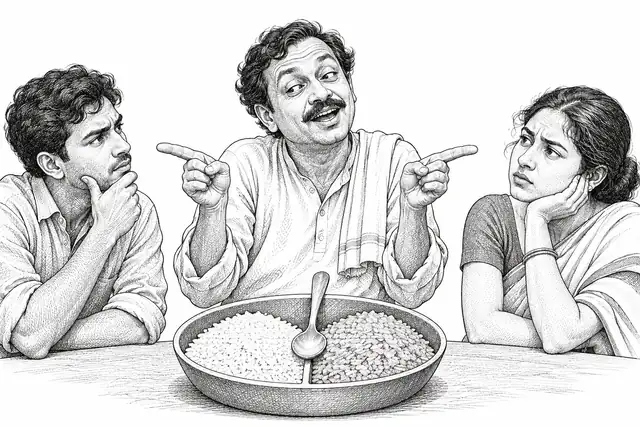
Dhaga 381 · Words & appearances
ଏକାତୁଣ୍ଡରେ ଉଆ ଉଷୁନା।
ଏକେ ଲୋକର ମୁହଁରୁ ପରସ୍ପର ବିପରୀତ କଥା।
One speaker gives conflicting accounts.
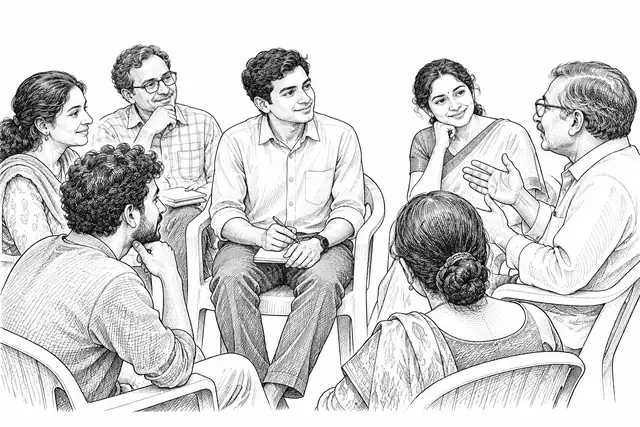
Dhaga 385 · Words & appearances
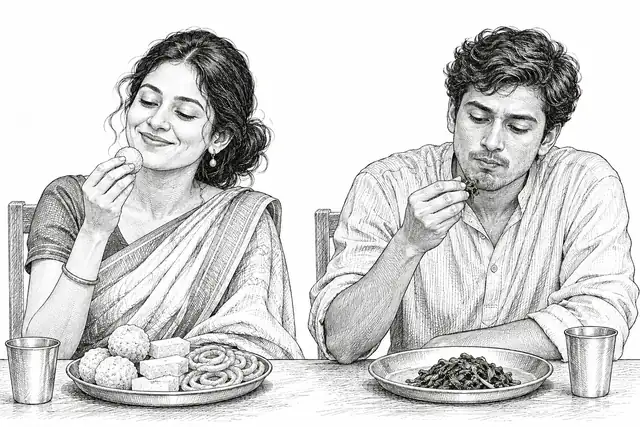
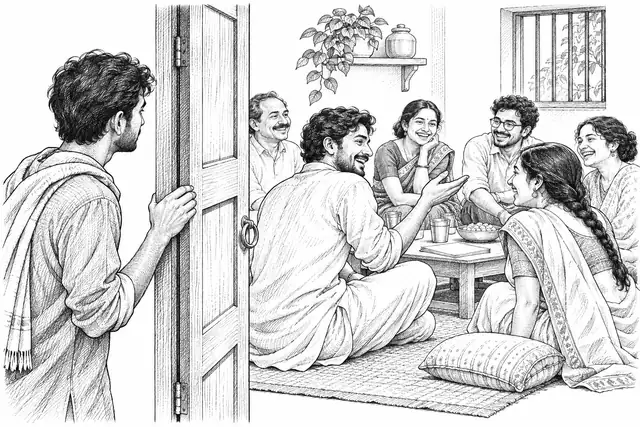
ଏମିତି ସଜରେ ବସି ଯାଇଥିବ
କେହି ନ କହିବେ ଉଠ୍
ଏମିତି ମଜାରେ କହି ଯାଉଥିବ
କେହି ନକହିବେ ଝୁଟ୍।
ବସିବା ଓ କହିବାରେ ଶୋଭନ ଆଚରଣ ଓ ବିଶ୍ୱାସଯୋଗ୍ୟତା ରଖିବାର ଉପଦେଶ।
Be considerate in conduct and credible in speech.
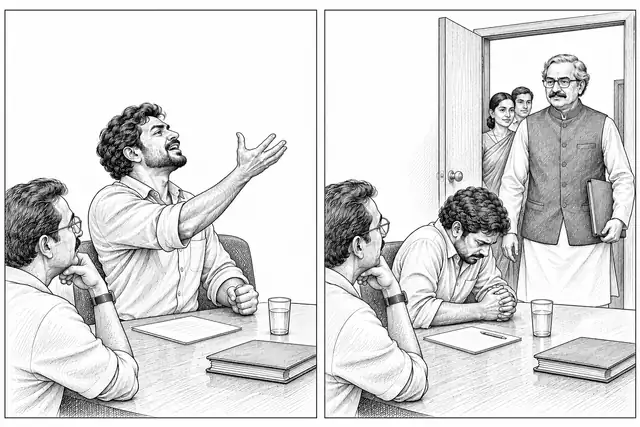
Dhaga 386 · Words & appearances
ଏସା କରେଙ୍ଗା
ତେସା କରେଙ୍ଗା
ସିପାହୀ ଦେଖିଲେ ଶୋଇ ପଡ଼େଙ୍ଗା।
କଥାରେ ସାହସ, କାମ ବେଳେ ଭୟ—ଏହି ବିରୋଧକୁ ବ୍ୟଙ୍ଗ।
Boastful courage disappears when it is put to the test.
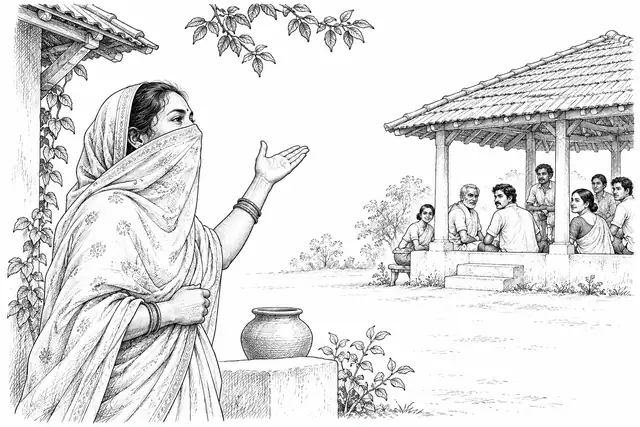
Dhaga 388 · Words & appearances
ଓଢଣା ପଡିଛି ନାକ ସରିକି
ତୁଣ୍ଡ ଶୁଭୁଅଛି ଚଉପାଢ଼ୀକି।
ଓଢଣାର ଆବରଣ ଓ ଦୂରକୁ ଶୁଭୁଥିବା ସ୍ୱରର ବିରୋଧକୁ ନେଇ କଥକଙ୍କ ବ୍ୟଙ୍ଗ।
The speaker contrasts a covered face with a voice that carries far.
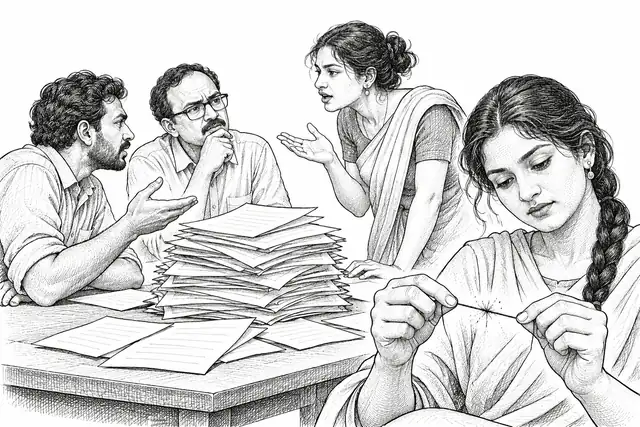
Dhaga 393 · Words & appearances
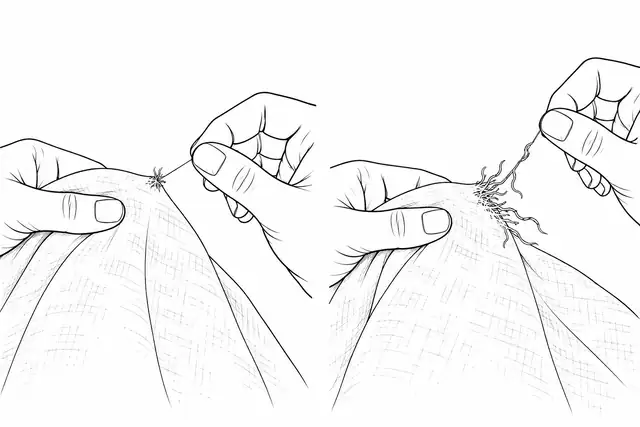
କଥାକୁ ମାଜିଲେ ମୋଟା
ସୂତାକୁ ମାଜିଲେ ସରୁ।
କଥାକୁ ବାରମ୍ବାର ଘାଣ୍ଟିଲେ ତାହା ବଢ଼େ, ସୂତାକୁ ମାଜିଲେ ସରୁ ହୁଏ।
Repeatedly dwelling on a matter can make it larger.
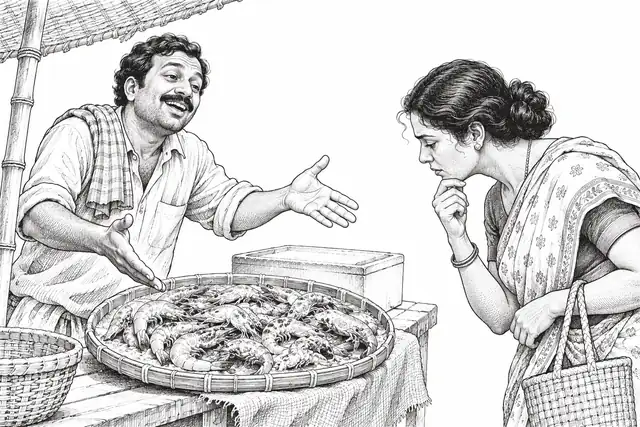
Dhaga 398 · Words & appearances
କହି ପୋଛି ପାରେ ଯେ
ପଚା ଚିଙ୍ଗୁଡି ବିକେ ସେ।
ଚତୁର କଥାରେ ଖରାପ ଜିନିଷ ବି ବିକିହୁଏ।
A convincing pitch can hide the poor quality of what is offered.
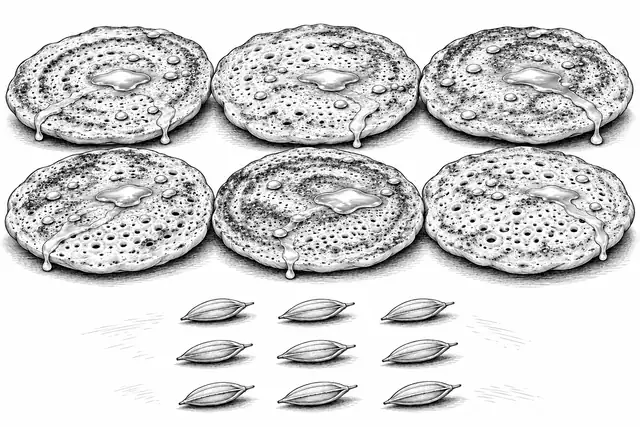
Dhaga 399 · Words & appearances
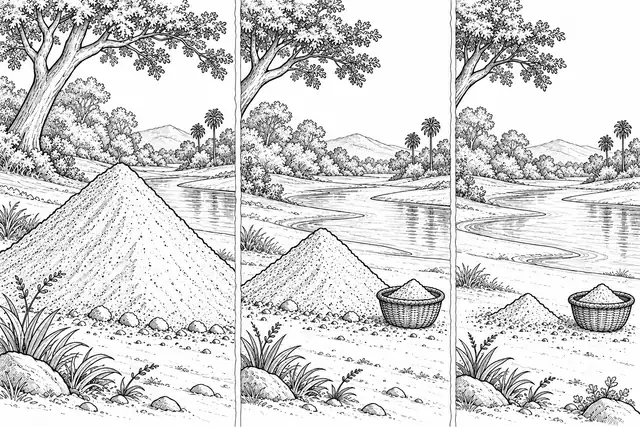
କହିବାର କଥା, କି’ ଯାଉଚି
ନଅଟା ଧାନରେ ଛଅଟା ଚକୁଳି
ଦି’ ପାଖେ ଘିଅ ବୋହି ଯାଉଛି।
କହିବାକୁ ଖର୍ଚ୍ଚ ନାହିଁ ବୋଲି ଅସମ୍ଭବ ପ୍ରାଚୁର୍ଯ୍ୟର ବଡ଼ କଥା।
Costless talk promises absurd abundance from almost nothing.
Dhaga 400 · Words & appearances
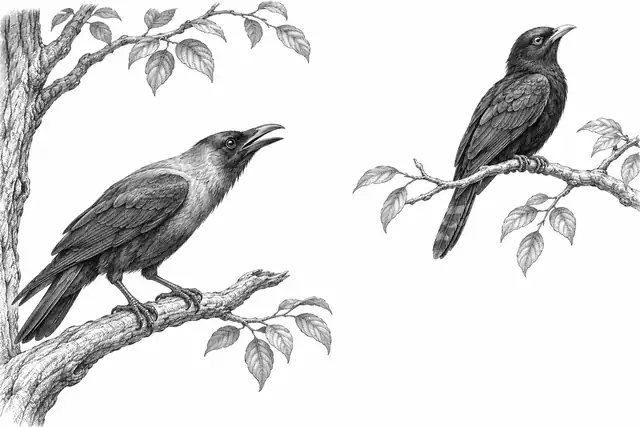
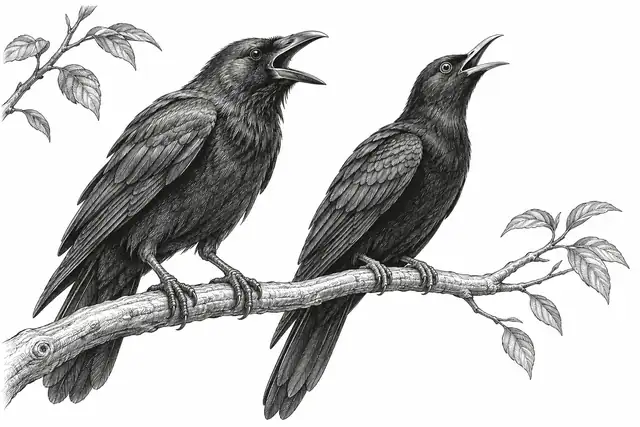
କାଉ କୋଇଲି ଏକା ବର୍ଣ୍ଣ
ରାବିଲା ବେଳେ ଭିନ୍ନ ଭିନ୍ନ।
ଚେହେରାର ସାମ୍ୟ ଥିଲେ ବି କଥାରେ ଫରକ ଜଣାପଡ଼େ।
Similar appearances can conceal differences revealed by voice.
Dhaga 401 · Words & appearances
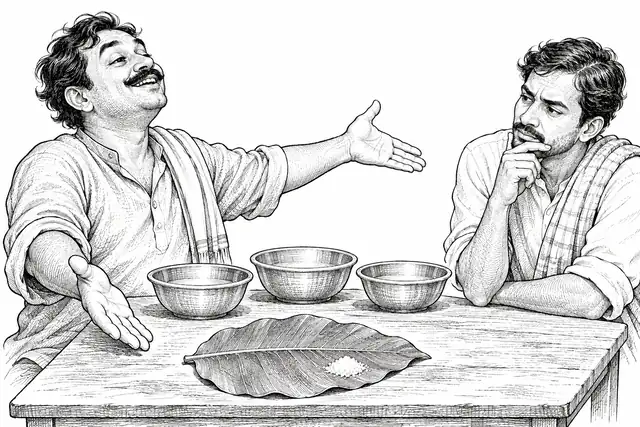
କାଖରେ ପତର, ହାତରେ ଲୁଣ
ମିଛରେ ବୋଲଇ ତିନି ତିଅଣ।
ସାମାନ୍ୟ ସମ୍ବଳ ଥାଇ ବି ବହୁତ କିଛି ଅଛି ବୋଲି ମିଛ ଦାବି।
A meagre provision is dressed up as a generous offering.
Dhaga 407 · Words & appearances
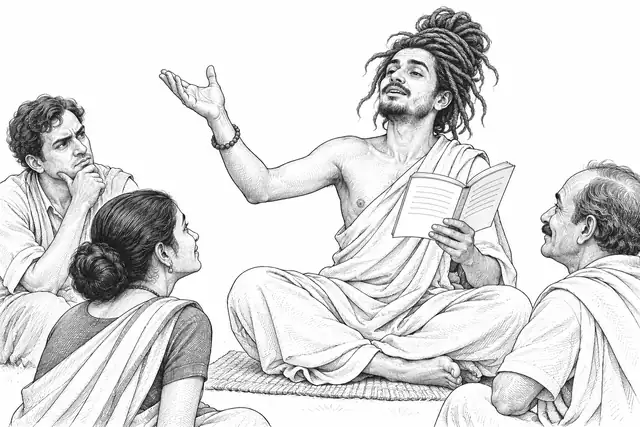
କାଲିକା ଯୋଗୀ -ମୁଣ୍ଡରେ ଜଟା।
ଅନୁଭବ ହେବା ପୂର୍ବରୁ ଅଭିଜ୍ଞତାର ଆଡ଼ମ୍ବର।
The appearance of experience arrives before experience itself.
Dhaga 412 · Words & appearances
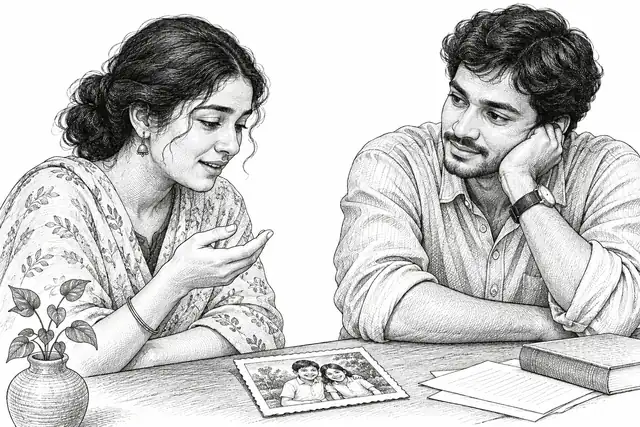
କିଛି କହେ ନାହିଁ ସରମରେ
ପଦିଏ ପଦିଏ କହି ଦେଉଥାଏ
ବାଜି ଯାଉଥାଏ ମରମରେ।
ଲାଜୁଆ ମନେହେଉଥିବା ଲୋକର ଅଳ୍ପ କଥା ମଧ୍ୟ ହୃଦୟକୁ ଛୁଇଁପାରେ।
A seemingly reticent person’s few words can reach deep into the heart.
Dhaga 422 · Words & appearances
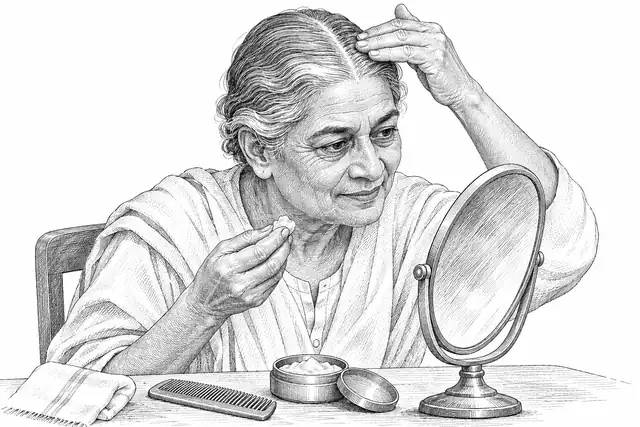
କେମନ୍ତ କଥା
ପାକଲା ବାଳରେ ମହଣ ସୁନ୍ଥା।
ପାଚିଲା ବାଳର ସଜକୁ ଦେଖି ବକ୍ତାର ଆଶ୍ଚର୍ଯ୍ୟ ବା ଥଟ୍ଟା।
A speaker reacts with surprise or teasing to carefully styled grey hair.
Dhaga 427 · Words & appearances
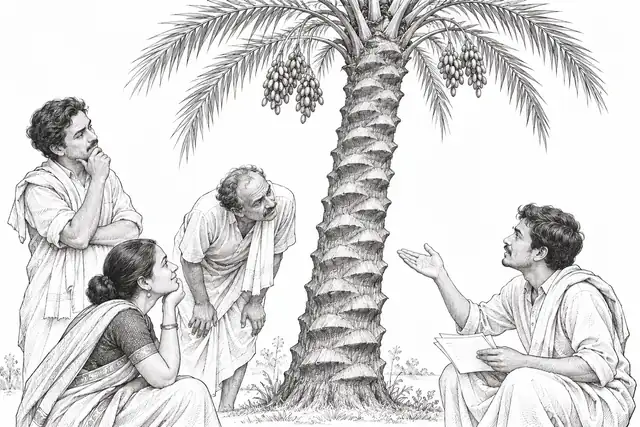
ଖଜୁରୀ ଗଛର କି ଗୁଣ ଗାଇବି
ସେତ ମୂଳରୁ ପାହାଚ ପାହାଚ।
ସବୁଆଡ଼େ ଦୋଷ ଥିଲେ ଗୋଟିଏକୁ ବାଛି କହିବା ବୃଥା।
When faults are everywhere, singling out one misses the extent of the problem.
Dhaga 431 · Words & appearances
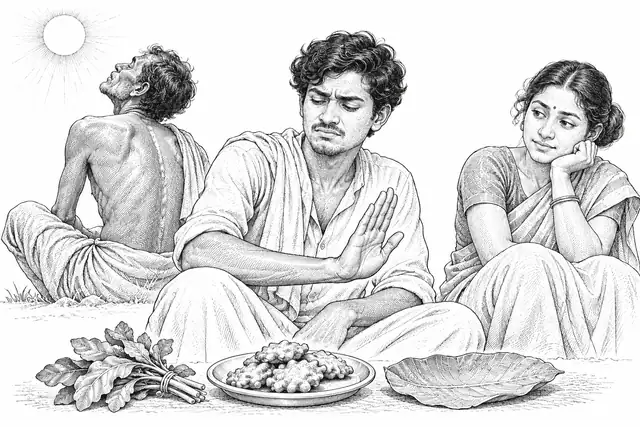
ଖୁଣ୍ଟି ଖାଉଥିଲୁ ମଦରଙ୍ଗା ଶାଗ
ପିଠି ଖାଉଥିଲା ଖରା
କାଲି ଚାଟୁଥିଲୁ ଅଇଁଠା ପତର
ଆଜି ରୁଚୁ ନାହିଁ ବରା।
ଆଗର ଅଭାବ ସହ ଆଜିର ବାଛବିଚାରକୁ ତୁଳନା କରି ବକ୍ତାର ଟାହି।
A speaker taunts changed tastes by recalling earlier hardship.
Dhaga 436 · Words & appearances
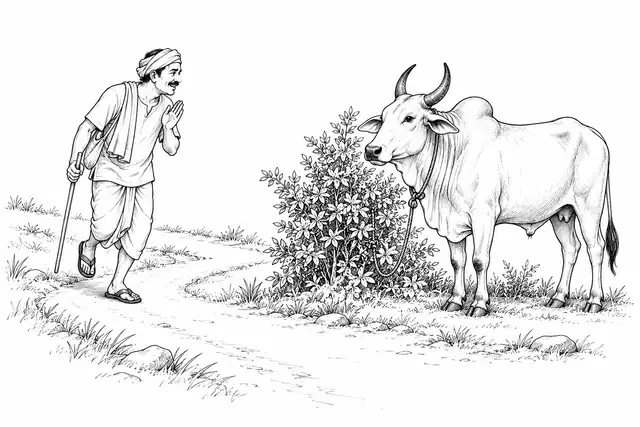
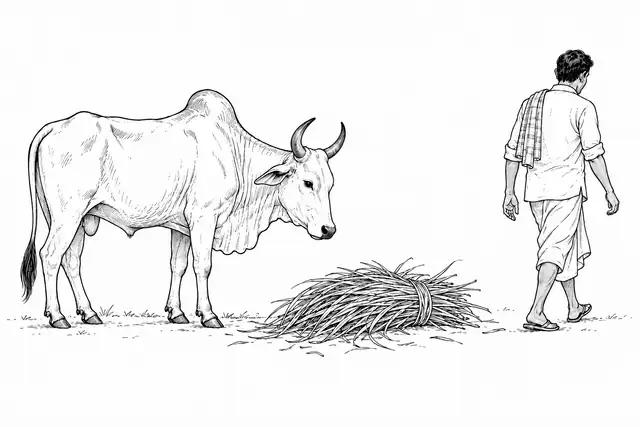
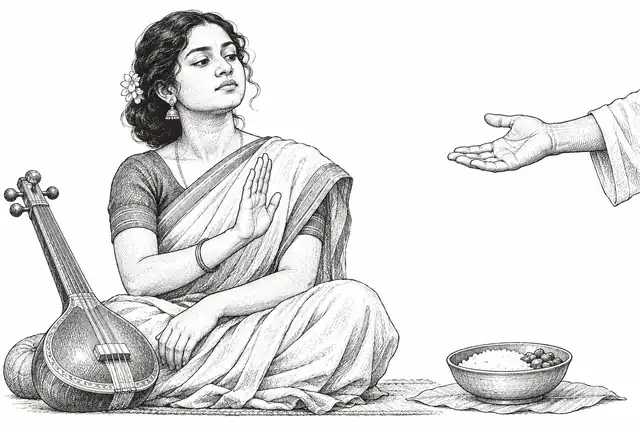
ଗାଆଣକୁ ଗାଆ କହିଲେ ଗାଏ ନାହିଁ
ଡାହାଣୀକୁ ଖାଆ କହିଲେ ଖାଏ ନାହିଁ
ଗୁମର ପ୍ରକାଶ ପାଇବା ଭୟରେ କାମ କରିବାକୁ ଅମଙ୍ଗ।
The inspected gloss reads refusal as fear of revealing a secret.
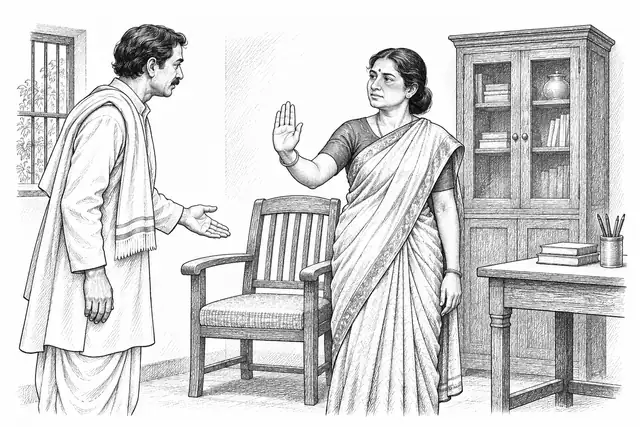
Dhaga 444 · Words & appearances
ଘର ଦୁଆର ସବୁ ତୋର
କାହିଁରେ ନଦେବୁ ହାତ।
କଥାରେ ସବୁ ଦେଇ ବାସ୍ତବରେ କିଛି ବ୍ୟବହାର କରିବାକୁ ନଦେବା।
An offer of everything undermined by a prohibition on using any of it.
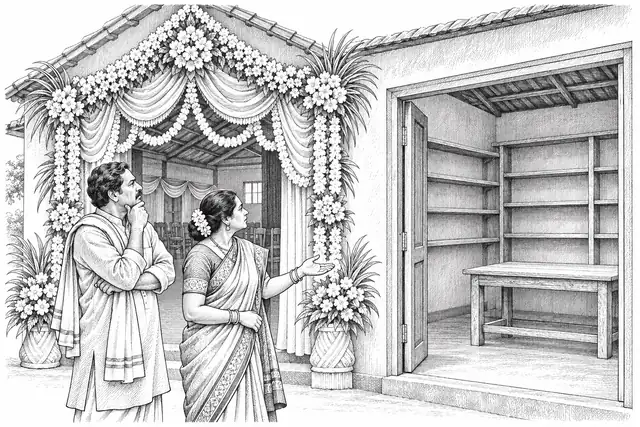
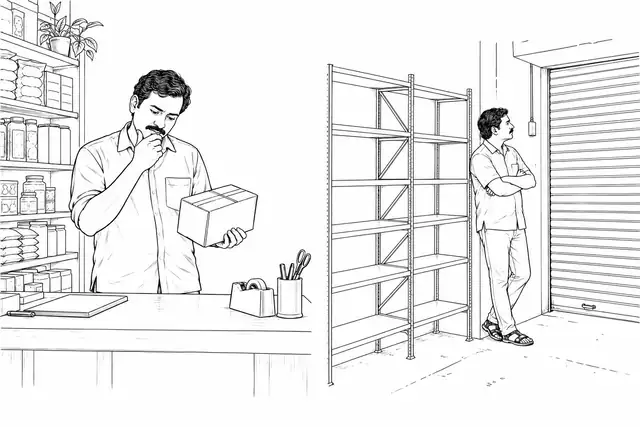
Dhaga 450 · Words & appearances
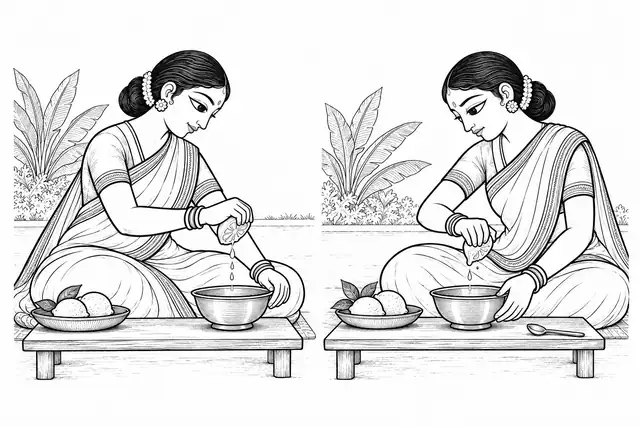
ଘରେ ନଥାଇ ଲେମ୍ବୁ ଲୁଣ
ବାହାରେ ଦେଖ ଚାତର ପଣ।
ଘରର ଅଭାବ ଓ ବାହାରର ଆଡ଼ମ୍ବର ମଧ୍ୟରେ ଫରକ।
Public show conceals the absence of basic provision at home.
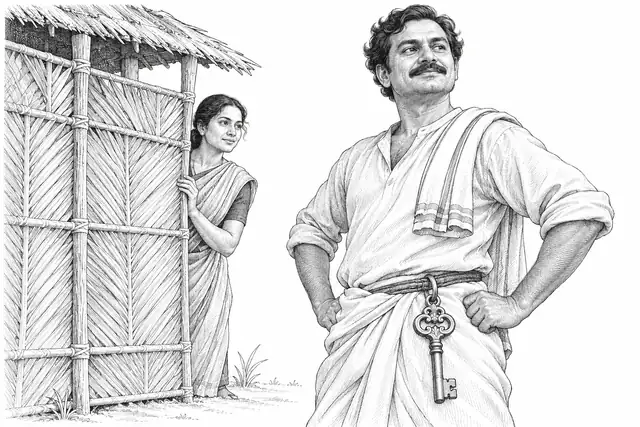
Dhaga 451 · Words & appearances
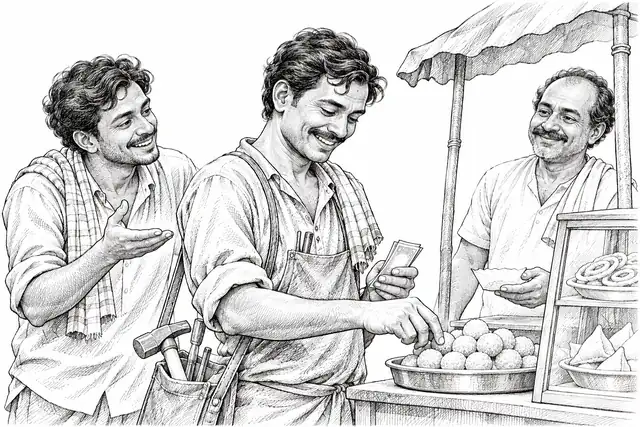
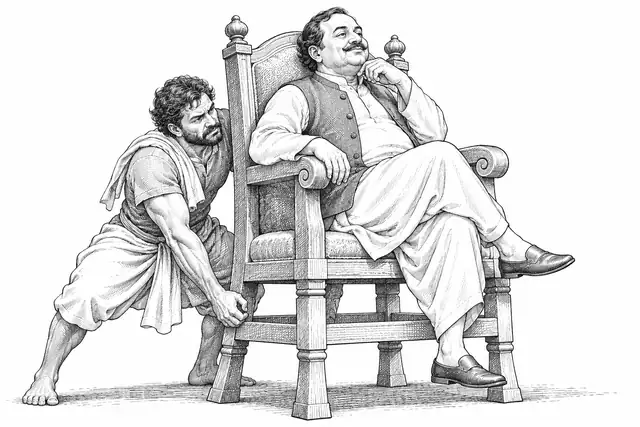
ଘରେ ବରଡା ତାଟି ଅଣ୍ଟାରେ ଚାବିକାଠି।
ସାମାନ୍ୟ ଘର ସହ ଅଣ୍ଟାର ଚାବିର ଠାଣିର ଅମେଳ।
A conspicuous key contrasts with the modest dwelling it appears to represent.
Dhaga 452 · Words & appearances
ଘା ଯାଏ, ଦାଗ ଥାଏ
ଲୋକ ଯାଏ, କଥା ଥାଏ।
ଘାର ଦାଗ ପରି ଲୋକ ଗଲା ପରେ ମଧ୍ୟ କଥା ରହେ।
People pass, but words and memories can remain.
Dhaga 459 · Words & appearances
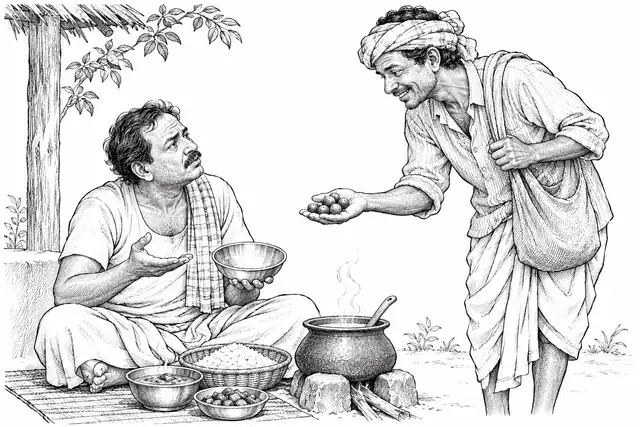
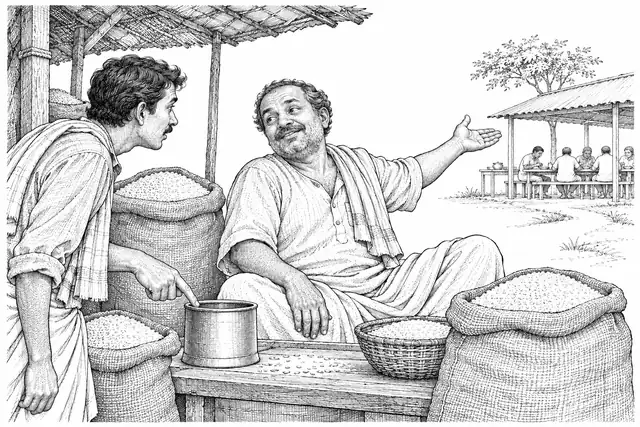
ଚାଉଳ ସେରକ କେତେ
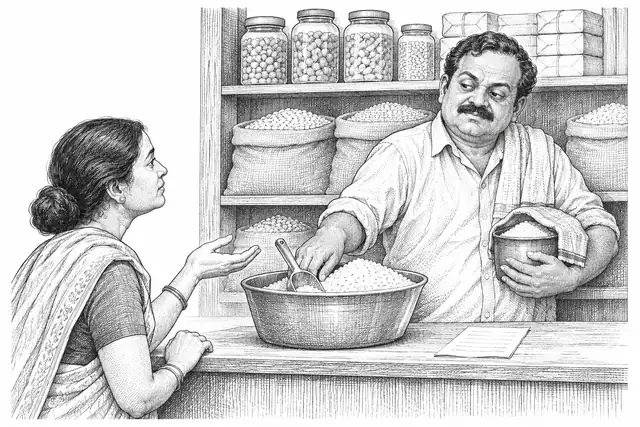
ନା’ ମୁଁ ମଠରେ ଖାଏ।
ଦାମର ପ୍ରଶ୍ନକୁ ନିଜେ କେଉଁଠି ଖାଉଛନ୍ତି ବୋଲି ଉତ୍ତର।
A personal arrangement replaces the answer to a practical question.
Dhaga 462 · Words & appearances
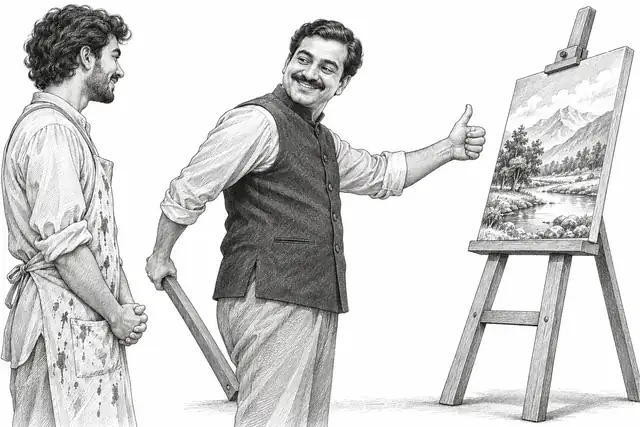
ଚାଟୁଥା
ପଛରୁ ଗଳାକୁ କାଟୁଥା।
ତୋଷାମଦର ଆଡ଼ରେ ବିଶ୍ୱାସଘାତ—ଏହି ବିରୋଧର ସମ୍ପାଦକୀୟ ପଢ଼ା।
An editorial reading of flattery concealing betrayal.
Dhaga 463 · Words & appearances
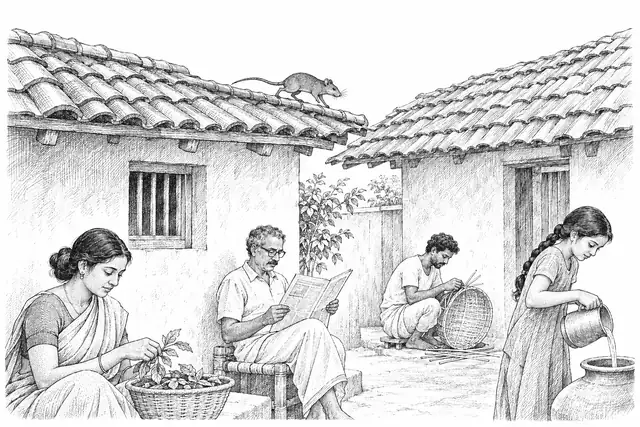
ଚାଳେ ଚାଳେ ଗଲା ଚାଳୁଆ ମୁଷା
କେହି ନଜାଣିଲେ ସାଇ ପଡିଶା।
ପାଖରେ ଥିବା ଲୋକଙ୍କ ଅଜାଣତରେ କାମ ହୋଇଯିବାର ଚିତ୍ର।
A quiet passage escapes the neighbours’ notice.
Dhaga 469 · Words & appearances
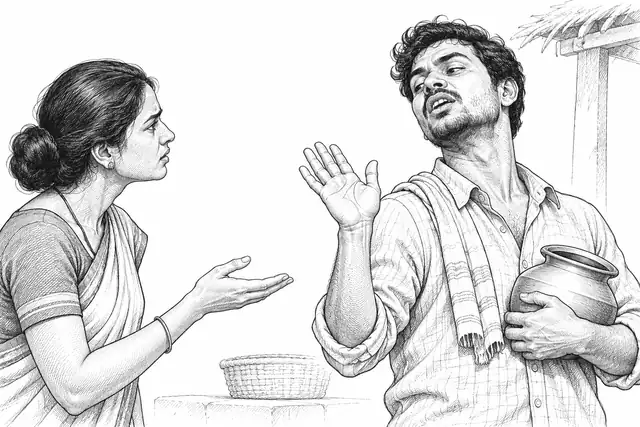
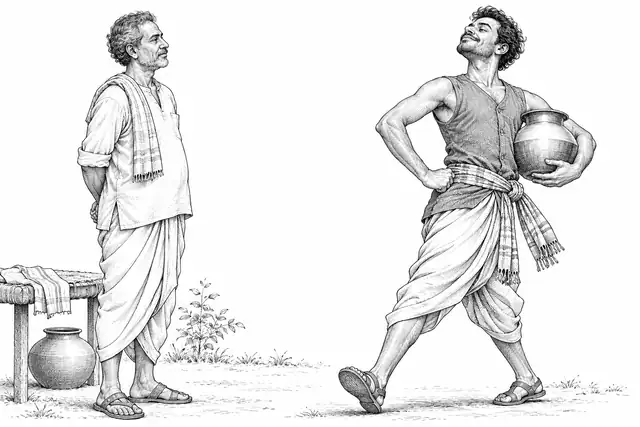
ଚୋରଙ୍କର ଭାରି ମୁହଁ ଟାଣ।
ଭୁଲ କରି ମଧ୍ୟ ଉଦ୍ଧତ କଥା କହିବାର ଭର୍ତ୍ସନା।
The saying rebukes brazen speech despite wrongdoing.
Dhaga 471 · Words & appearances
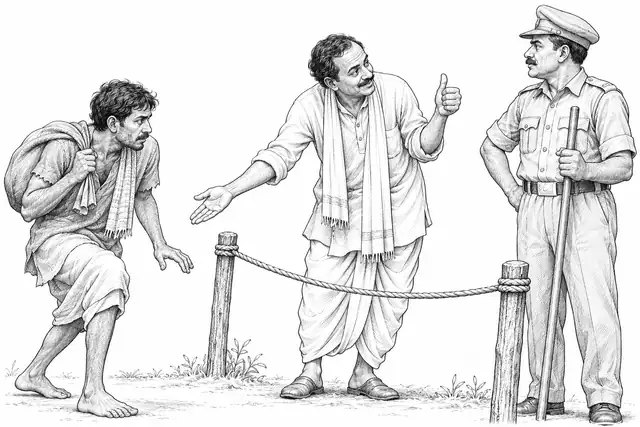
ଚୋର ହୋଇ ପୁଣି ପାଇକ ପଣ।
ନିଜେ ଭୁଲ କରି ମଧ୍ୟ ବାହାଦୁରି ଦେଖାଇବାର ଉପହାସ।
Wrongdoing is followed by a show of soldierly bravado.
Dhaga 472 · Words & appearances
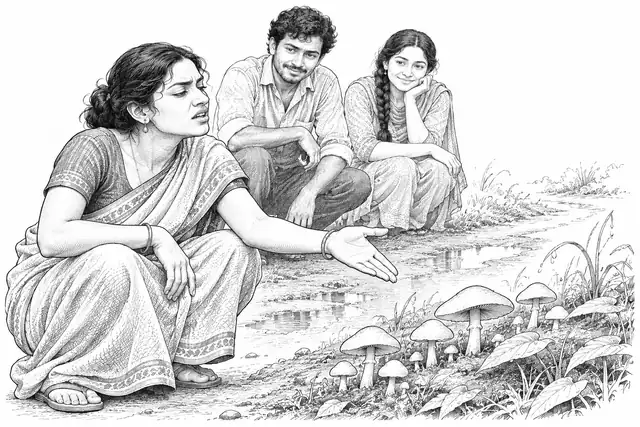
ଚୋରକୁ କହୁଚି ଚୋରି କର
ସିପାହିକୁ କହୁଚି ଜଗିଥା।
ଦୁଇ ବିପରୀତ ପକ୍ଷକୁ ବିପରୀତ ପରାମର୍ଶ ଦେବାର ଚିତ୍ର।
One adviser gives opposing instructions to thief and constable.
Dhaga 478 · Words & appearances
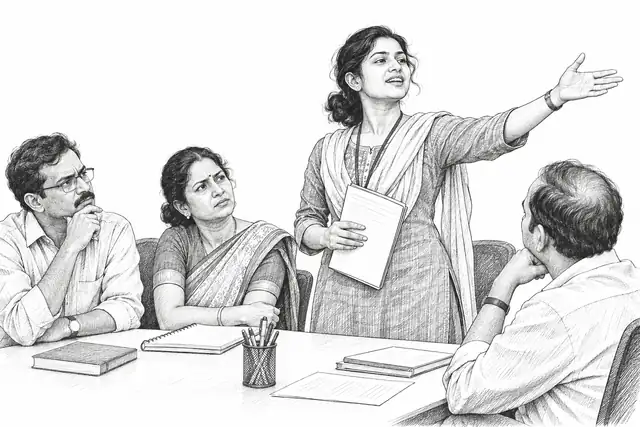
ଛି ଲୋ ଛତୁ,
ମେଘ ବରଷିଲେ କେତେ ତୁ ଫୁଟୁ।
ଅନୁକୂଳ ପରିସ୍ଥିତିରେ ହଠାତ୍ ବଢ଼ିଯାଉଥିବା ଉତ୍ସାହକୁ ଥଟ୍ଟା କରିବାର ଏକ ପଢ଼ା।
A mocking address to exuberance when conditions turn favourable.
Dhaga 481 · Words & appearances
ଛୋଟୀ କି ଶ୍ରୀବନ୍ତୀ କହିଲେ
ଗୋଡକୁ ବୁଲାଇ ପକାଏ।
ସମ୍ମାନସୂଚକ କଥା ଶୁଣି ଆତ୍ମଗର୍ବ ବଢ଼ିବାର ବ୍ୟଙ୍ଗ।
The source mocks an inflated response to an honouring address.
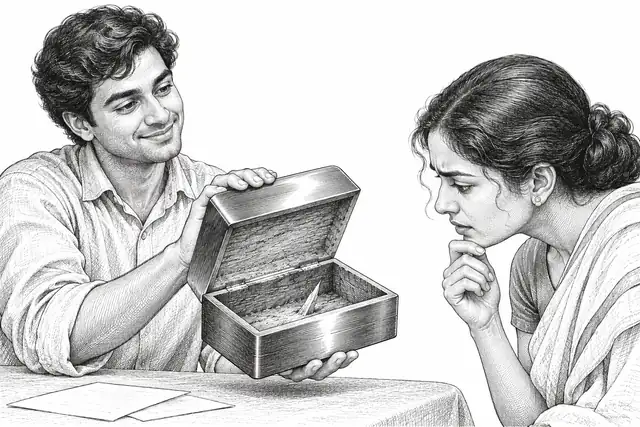
Dhaga 483 · Words & appearances
ଠକଙ୍କ ଗୁରୁ
ଉପର ଚିକ୍କଣ ଭିତର ମାରୁ।
ଚିକ୍କଣ ବାହ୍ୟ ରୂପ ପଛରେ ଲୁଚିଥିବା କ୍ଷତିକାରକ ଉଦ୍ଦେଶ୍ୟର ଚିତ୍ର।
The source portrays an accomplished cheat as polished outside and harmful within.
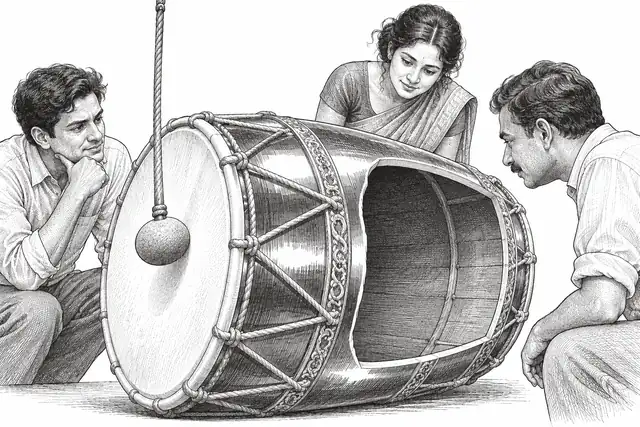
Dhaga 486 · Words & appearances
ଢାଇଁ ଢାଇଁ ଢାଇଁ ବାଜଇ ଢୋଲ
ବାହାର ଚିକ୍କଣ ଭିତର ପୋଲ।
ବହୁତ ଶବ୍ଦ ଓ ଚିକ୍କଣ ଦେଖାଣି ପଛରେ ସାରବସ୍ତୁର ଅଭାବ।
An impressive sound and surface conceal a lack of substance.
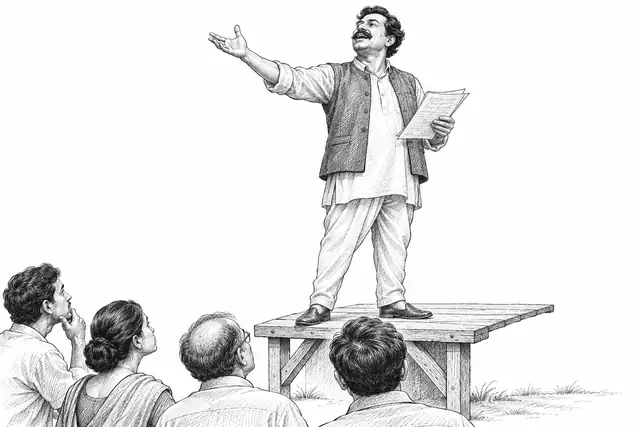
Dhaga 493 · Words & appearances
ତୁଣ୍ଡ ନରେନ୍ଦ୍ର, ପିଠି ଅରକ୍ଷିତ।
କଥାର ଦମ୍ଭ ଓ ପରିଣାମ ସାମ୍ନା କରିବାର ଅସହାୟତାର ବିରୋଧ।
Authority in speech can exceed the speaker’s protection.
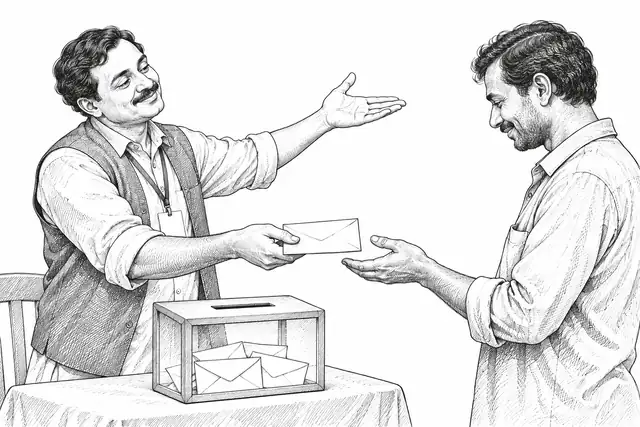
Dhaga 496 · Words & appearances
ତୋହରି ଧନ ତୋତେ ଦେଇ
ମଝିରେ ମଧ୍ୟସ୍ଥି ବୋଲାଇ।
ଅନ୍ୟର ଧନ ତାଙ୍କୁ ଦେଇ ମଝିରେ ନିଜ ଗୁରୁତ୍ୱ ଦେଖାଇବା।
Passing along someone’s own resources while claiming importance.
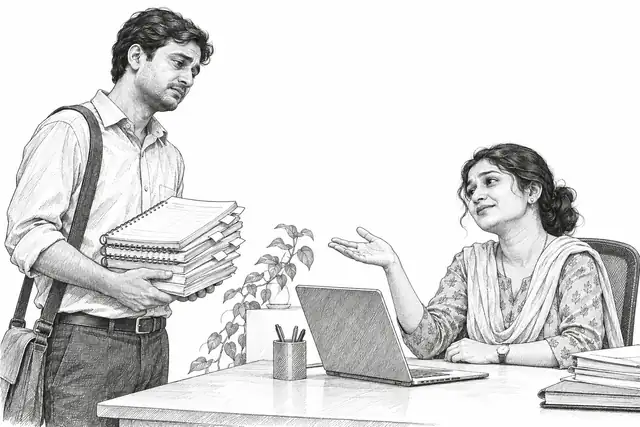
Dhaga 501 · Words & appearances
ଦେବୁ ଦେବୁ ବୋଲି ପୂରିଲା ମାସେ
ଆହୁରି ବୋଲୁଚୁ କାଲିକି ଆ’ସେ।
ପ୍ରତିଶ୍ରୁତି ପୂରଣ ନକରି ବାରମ୍ବାର କାଲିକୁ ଗଡ଼ାଇବା ପ୍ରତି ଅଭିଯୋଗ।
Repeated promises leave the waiting person with another tomorrow.
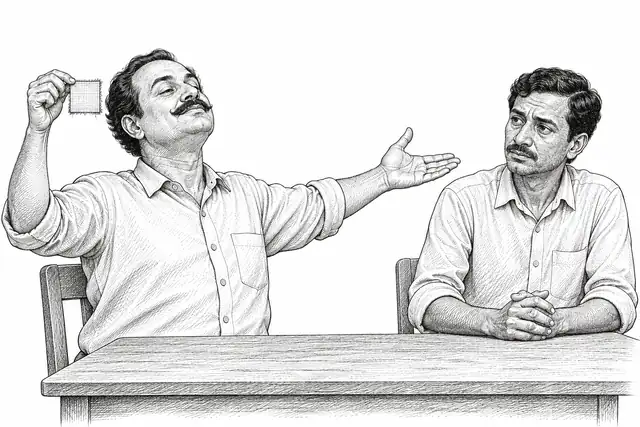
Dhaga 505 · Words & appearances
ଦାନୀ, ନା ମୁଣ୍ଡକୁ ନପାଏ କାନି ।
ଦାନୀ ପରିଚୟ ଓ ନିଜ ସମ୍ବଳର ଅଭାବ ମଧ୍ୟରେ ଅମେଳ।
A claim of generosity contrasts with inadequate means.
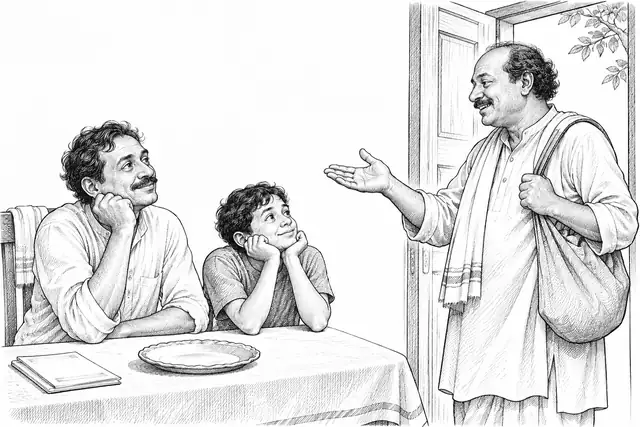
Dhaga 507 · Words & appearances
ଦିଆ ପୁରୁଷ
ଯାଚି ଯାଉଥିଲା କଟକ ମିଠେଇ
ପୁଅକୁ ହେଲାଣି ବାର ବରଷ।
ଦେବାର ଯାଚନା ରହିଯାଏ, ସମୟ ବିତିଚାଲେ—ଏହି ଅମେଳର ବ୍ୟଙ୍ଗ।
An offer of generosity lingers while time passes.
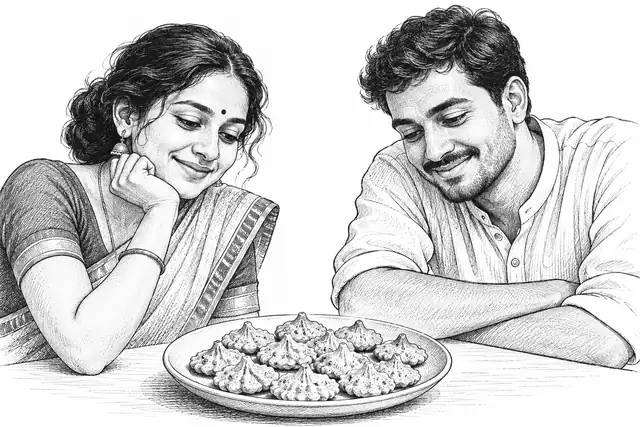
Dhaga 513 · Words & appearances
ଦେଖା ସୁନ୍ଦର କଖାରୁ ବଡି।
ଦେଖିବାକୁ ସୁନ୍ଦର ହେବା ମାତ୍ରେ ଅନ୍ୟ ଗୁଣର ବିଚାର ସରେନାହିଁ।
Attractive appearance alone does not establish quality.
Dhaga 514 · Words & appearances
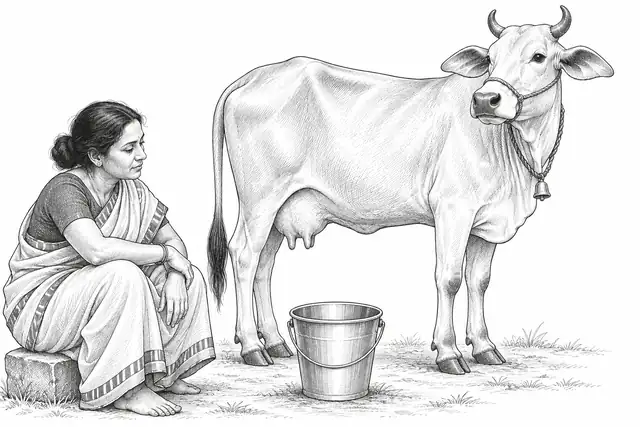
ଦେଖା ସୁନ୍ଦର ବଉଳା ଗାଈ
ଦୁହିଁଲା ବେଳକୁ ଟୋପାଏ ନାହିଁ।
ଦେଖାର ଆକର୍ଷଣ ସତ୍ତ୍ୱେ ଆଶା କରାଯାଇଥିବା ଫଳ ମିଳୁନାହିଁ।
An attractive appearance fails the test of the expected result.
Dhaga 516 · Words & appearances
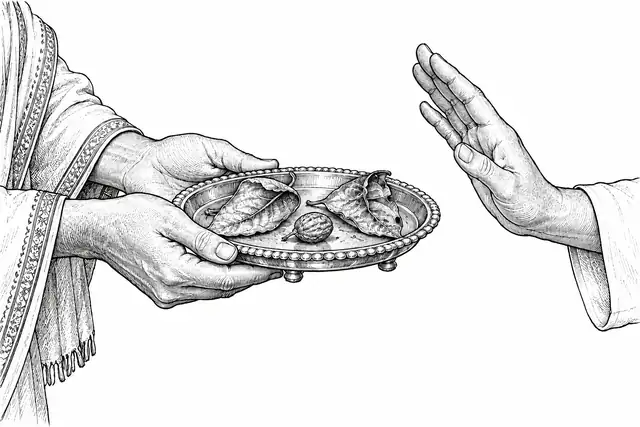
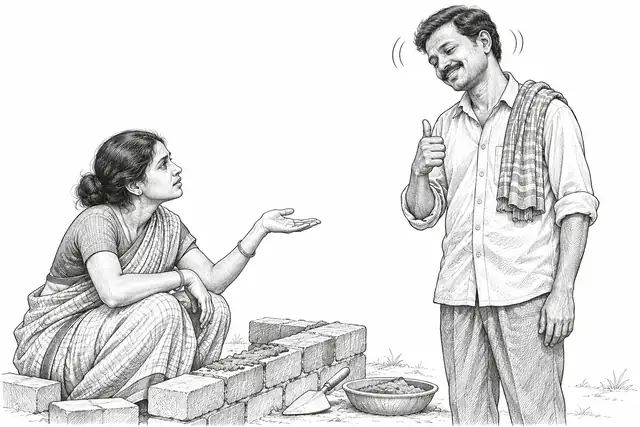
ଦେବା ଦେବା କହୁଥିବା
ନାହିଁ ନଦେବା ନକରିବା।
ଦେବାକୁ କହି ନ ଦେବା ଓ ମନା ମଧ୍ୟ ନ କରିବା—ମିଛ ପ୍ରତିଶ୍ରୁତି ପ୍ରତି ବ୍ୟଙ୍ଗ।
Satire of endless promises: neither giving nor clearly refusing.
Dhaga 522 · Words & appearances
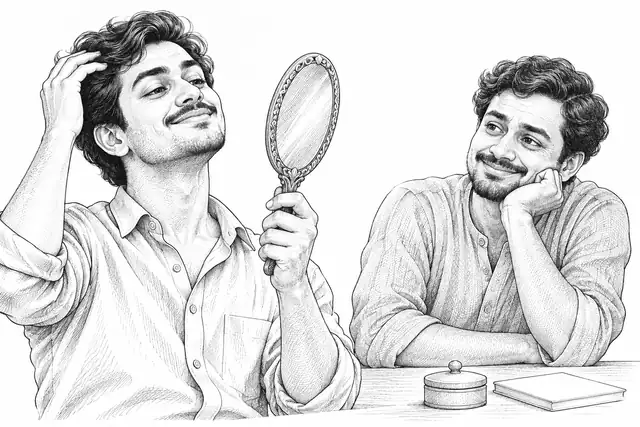
ନବ ଗୁଞ୍ଜର
ଆପଣା ମନକୁ ଆପେ ସୁନ୍ଦର।
ନିଜ ମନକୁ ନିଜେ ସୁନ୍ଦର ଲାଗିବାର ଅନୁକୂଳ ଆତ୍ମବିଚାର।
One’s own judgement readily finds oneself beautiful.
Dhaga 525 · Words & appearances
ନାଆଁକୁ ଧନ୍ୱନ୍ତରୀ
ଚିକିତ୍ସାରେ ଯମ।
ସୁନାମରେ ବୈଦ୍ୟ, କାମରେ ଉପକାର ବଦଳରେ କ୍ଷତି।
A healing reputation is contradicted by harmful practice.
Dhaga 527 · Words & appearances
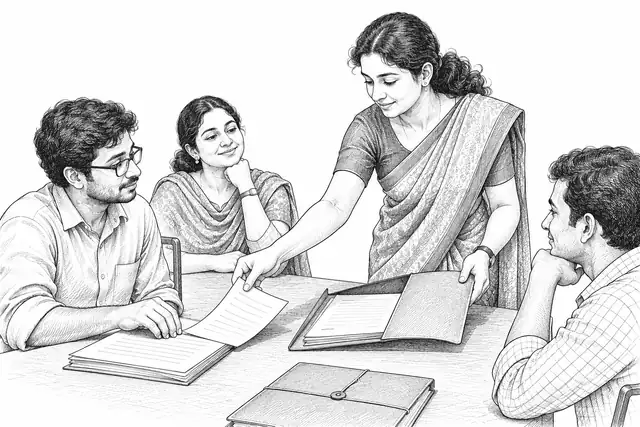
ନିରିମାଇଲ
କାହିଁ କଥା ନେଇ କାହିଁ ମାଇଲ?
ଏକ ପ୍ରସଙ୍ଗର କଥାକୁ ଅନ୍ୟତ୍ର ଅସଙ୍ଗତ ଭାବେ ଲଗାଇବା ଉପରେ ଆପତ୍ତି।
A protest against carrying a matter into an unrelated context.
Dhaga 538 · Words & appearances
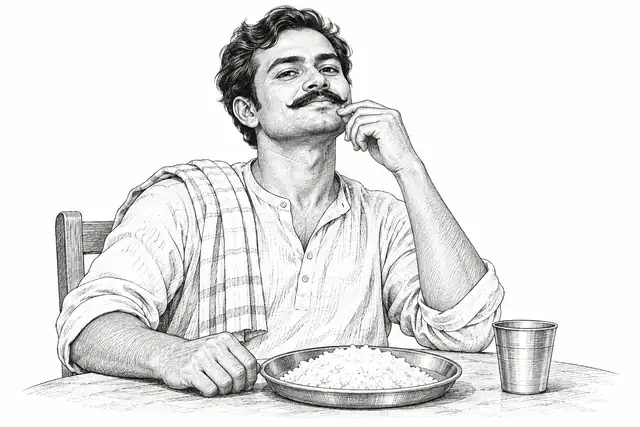
ବଗଡା ଭାତ
ନିଶରେ ହାତ।
ସାଧାରଣ ଭୋଜନ ପାଖରେ ଗର୍ବିତ ଭଙ୍ଗୀର ଚିତ୍ର।
A plain meal is juxtaposed with a possibly proud gesture.
Dhaga 548 · Words & appearances
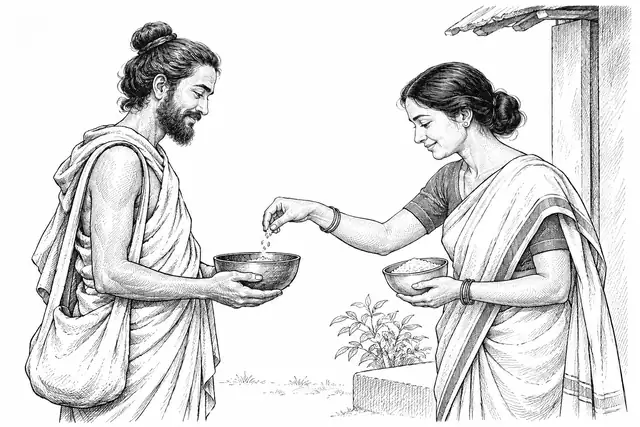
ଭେକ ଥିଲେ ଭିକ ମିଳେ।
ବାହ୍ୟ ବେଶ ଅନ୍ୟଙ୍କ ପ୍ରତିକ୍ରିୟା ଓ ସାହାଯ୍ୟକୁ ପ୍ରଭାବିତ କରେ।
Appearance can influence recognition and the help one receives.