DHAGA 301 · dictionary-labelled Dhaga headword idiom; source-informed editorial reading
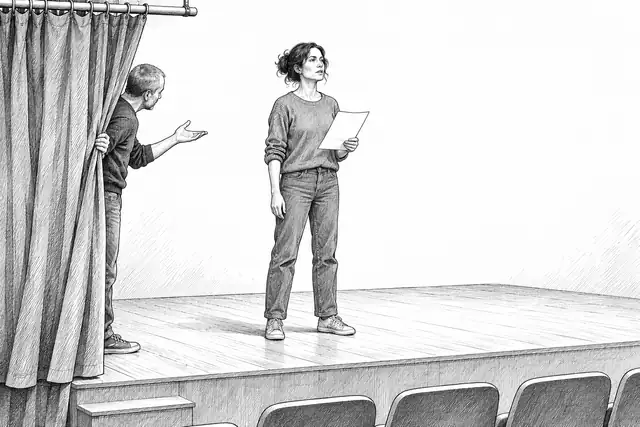
The director behind the action
ନାଟର ଗୁରୁ ଗୋବର୍ଦ୍ଧନ ଦାସ
ଅଭିଧାନରେ ଏହା ଏମିତି ଜଣେ ସୂତ୍ରଧରଙ୍କୁ ବୁଝାଏ, ଯିଏ ନିଜେ ଚିହ୍ନା ନପଡ଼ି ଅନ୍ୟମାନଙ୍କ କାମକୁ ଚଳାନ୍ତି। ଆମ ପାଠରେ ପ୍ରଶ୍ନ ହେଉଛି—ଖବର ଦେଉଥିବା ଲୋକ ଓ ନିଷ୍ପତ୍ତି ନେଉଥିବା ଲୋକ କିଏ? କେବଳ ଚେହେରା ଦେଖି ଲୁଚା ସୂତ୍ରଧର ଥିବାର ଅନୁମାନ କରିବା ଠିକ୍ ନୁହେଁ।
Literal meaning
Gobardhan Das, the master of the play.
What it means
The dictionary defines a concealed controller: others visibly act, while this person directs them. The theatrical wording identifies the person behind the action, not a documented theatre practitioner. Our application asks who actually makes a decision when somebody else announces it; hidden direction need not be guessed from appearances alone.
When you might use it
Original imagined example: ମୀନା ସଭାରେ ନୂଆ ସମୟ ଘୋଷଣା କଲେ। ରବି ପଚାରିଲେ, “ଏହି ସମୟ କିଏ ଠିକ୍ କଲା?” ମୀନା ନିଷ୍ପତ୍ତିର ଚିଠି ଦେଖାଇଲେ। / Meena announced a new meeting time. Ravi asked who had chosen it, and she showed him the decision letter. This invented scene explores responsibility; it does not establish a secret plot.
Cultural context
The source labels the whole headword Dhaga and supplies its figurative meaning. Gobardhan Das remains part of the expression; this page does not identify a historical individual, author or origin. Bengali and Hindi equivalents are listed, not evidence of transmission direction.