DHAGA 314 · dictionary-labelled saying; source-informed editorial reading
True, yet hard to believe
ଏ କଥାଟା ସତ, ହେଲେ ପାଉ ନାହିଁ
କଥାଟିକୁ ସତ ବୋଲି କହି ମଧ୍ୟ ବିଶ୍ୱାସ ହେଉନଥିବା ଅବସ୍ଥାକୁ ଧାଡ଼ିଟି ଧରେ। ଶେଷର ସଂକ୍ଷିପ୍ତ ପ୍ରୟୋଗ ବୁଝିବାରେ ଶବ୍ଦର ଦ୍ୱିତୀୟ ଅର୍ଥ ସାହାଯ୍ୟ କରେ। ଆମ ପାଠ ସତ ବୋଲି କହିବା ଓ ବିଶ୍ୱାସ ହେବା ମଧ୍ୟର ଫରକକୁ ଦେଖେ। ଅଜଣା କଥାଟି ପ୍ରକୃତରେ ସତ କି ନୁହେଁ, ଏଥିରୁ ନିର୍ଣ୍ଣୟ ହୁଏନାହିଁ।
Literal meaning
This is true, yet it is not believed.
What it means
The line calls a statement true while registering a failure of belief. The headword’s second sense supplies that reading of the shortened ending. Our interpretation attends to the gap between asserting truth and finding something convincing; the line itself does not establish whether an unnamed statement is actually true.
When you might use it
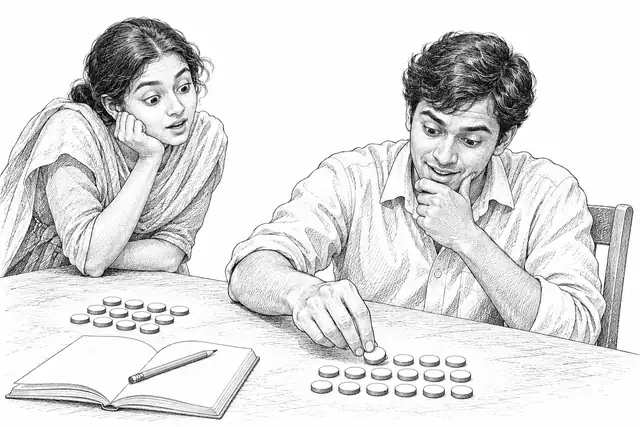
Original imagined example: ଜଣେ ପାଠକ ଅପ୍ରତ୍ୟାଶିତ ହିସାବ ଦେଖି ପୁଣି ଗଣିଲେ। ସଂଖ୍ୟା କିପରି ଆସିଲା ବୁଝିବା ପରେ ସେ କଥାଟି ମାନିଲେ। / A reader checks an unexpected calculation and understands how its result was reached. This is an invented application, not evidence for the saying’s origin.
Cultural context
The quotation remains unfilled: it omits the headword’s ମନକୁ. Belief sense2, not approval sense1, supplies the literal rendering; no speaker identity or particular disputed fact is established.