DHAGA 287 · dictionary-labelled saying; source-informed editorial reading
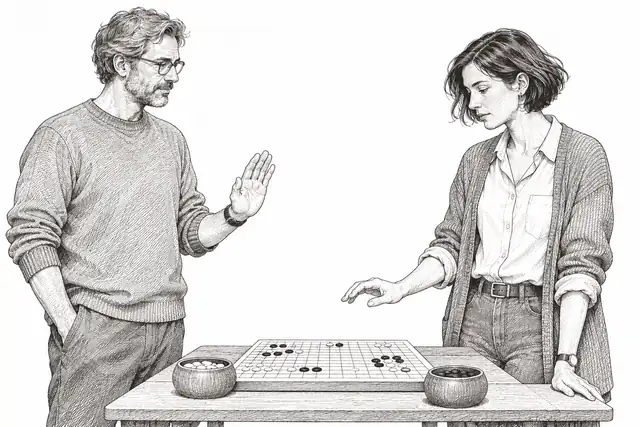
Do not provoke me
କହୁଛି ମତେ ରଗାନା, ମୋ ସାଙ୍ଗରେ ତୁ ଲାଗନା
ବକ୍ତା ସିଧା “ତୁ”କୁ କହି ବିରକ୍ତ କରିବା ବନ୍ଦ କରିବାକୁ ପୁଣି ଦାବି କରୁଛନ୍ତି। ଦୁଇ ଖଣ୍ଡର ମେଳ ଚେତାବନୀକୁ ଛନ୍ଦ ଦିଏ। ଆମ ପଢ଼ାରେ ଜଣେ ନିଜ ସୀମା କହୁଥିବା ଶୁଣାଯାଏ; ଅବସରଟି ଥଟ୍ଟାର ଥିଲା କି ଉତ୍ତେଜନାର, ଜଣାଯାଏନାହିଁ। ଉତ୍ସ କୌଣସି ଝଗଡ଼ା, ଧମକ ବା ପରିଣାମ ଚିହ୍ନାଏନାହିଁ।
Literal meaning
I am telling you: do not anger me; do not get into it with me.
What it means
The speaker addresses “you” directly, repeating a demand to stop provoking them. The paired endings give the warning its rhythm. Our reading hears a boundary being voiced, without knowing whether the occasion was playful or tense. The source names no quarrel, threat or outcome.
When you might use it
Original imagined example: ଜଣେ ସାଙ୍ଗ ବାରମ୍ବାର ଥଟ୍ଟା କଲେ। ଅନ୍ୟଜଣ ଢଗଟି କହି ଯୋଡ଼ିଲେ, “ମୋତେ ଏହା ଭଲ ଲାଗୁନି; ଏବେ ଛାଡ଼।” ସାଙ୍ଗ କଥାଟି ବନ୍ଦ କଲେ। / A friend repeats a joke. The other invokes the line and adds, “I do not like this; please stop now.” The friend stops. This peaceful outcome is invented, not supplied by the saying.
Cultural context
The dictionary labels the quotation Dhaga under causing anger. A voiced warning is retained as its genre; no settled traditional moral or universal rule for resolving conflict is claimed.