DHAGA 267 · dictionary-labelled saying; source-informed editorial reading
The world in two colours
ଦୁନିଆ ଦୋରଙ୍ଗ
ଛୋଟ କଥାଟି ଦୁଇ ପାର୍ଶ୍ୱର ନାମ ନ ଦେଇ ବିରୋଧର ଚିତ୍ର ରଖେ। ଅଭିଧାନ ବିପରୀତ ବର୍ଣ୍ଣ ବା ଭିନ୍ନ ଚିତ୍ରରେ ଶବ୍ଦଟିକୁ ବୁଝାଏ। ଆମ ପଢ଼ାରେ ଦୁନିଆର ଭିନ୍ନ ଦେଖା ଅଭିଜ୍ଞତାକୁ ମେଳାଇ ଦେଖିବାକୁ କୁହେ; ସବୁ ଲୋକ ଛଳନାକାରୀ ବୋଲି ପ୍ରମାଣ ଦିଏନାହିଁ। ଆନନ୍ଦମୟ ଅନୁଷ୍ଠାନ ଓ ପଛର କଠିନ କାମ ଆମର ପ୍ରୟୋଗ, ଉତ୍ସ ନିର୍ଦ୍ଦେଶ କରିଥିବା ଯୋଡ଼ି ନୁହେଁ।
Literal meaning
The world is two-coloured.
What it means
This brief expression offers a contrast without naming its two sides. The dictionary explains the headword through opposite colours or different pictures. Our reading treats the world’s changing appearance as an invitation to compare experiences, not proof that everyone is deceitful. A cheerful public occasion and difficult work behind it are one editorial application, not the source’s prescribed pair.
When you might use it
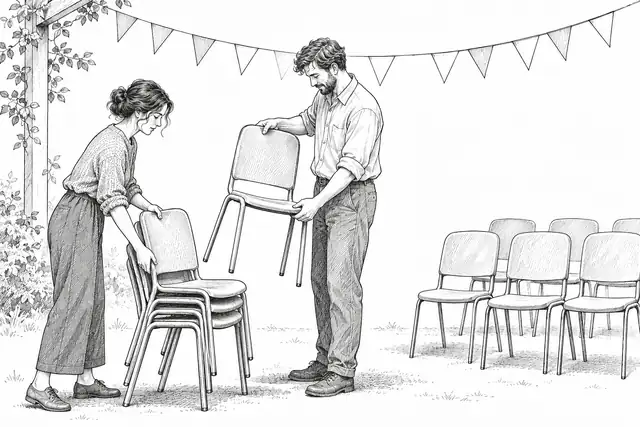
Original imagined example: After a neighbourhood celebration, two volunteers see the bright photographs and the pile of chairs still to be stacked. One recalls the two-coloured-world expression. They mean the contrast between the public occasion and its remaining work, not dishonesty by the guests.
Cultural context
A short dictionary-labelled aphoristic expression, not a recovered longer proverb. No fixed moral, traditional performance setting or universal human trait is supplied.