
DHAGA 231 · proverbial saying
When an unasked-for gift loses value
ଯଚ୍ନିୟା ମାଲର ରଙ୍ଗ ନାହିଁ
ନ ମାଗି ମିଳିଥିବା ଜିନିଷର “ରଙ୍ଗ ନାହିଁ”—ଅଭିଧାନର ବ୍ୟାଖ୍ୟାରେ ଏହାର ମୂଲ୍ୟ ନ ହେବାର କଥା ଅଛି। ଜିନିଷଟିର ପ୍ରକୃତ ଗୁଣ ଠାରୁ ଏଠାରେ ତାହାକୁ କେମିତି ଗ୍ରହଣ କରାଯାଉଛି, ସେଇଟି ଆଗକୁ ଆସେ। ଖୋଜିବାକୁ ବା ମାଗିବାକୁ ନ ପଡ଼ିଲେ ମିଳିଥିବା ସାହାଯ୍ୟକୁ ହାଲୁକା ଭାବେ ନେବାରେ ଏହି କଥା ଲାଗିପାରେ। ଆମ ପଢ଼ାରେ ଏହା ସେହି ଅବହେଳାକୁ ଧରେ, ନ ମାଗି ମିଳିଥିବା ସବୁ ଜିନିଷ ମୂଲ୍ୟହୀନ ବୋଲି ରାୟ ଦିଏନାହିଁ।
Literal meaning
Unasked-for goods have no colour.
What it means
The dictionary explains “no colour” here as a lack of value: an unsolicited thing is not valued. The line points to reception rather than a defect in the object. Something offered without being requested may be overlooked precisely because no effort was made to seek it. Our reading treats that as an observation about undervaluing what arrives easily, not proof that unsolicited help or gifts are worthless. It can sound rueful from the giver or self-mocking from someone who recognises their own neglect.
When you might use it
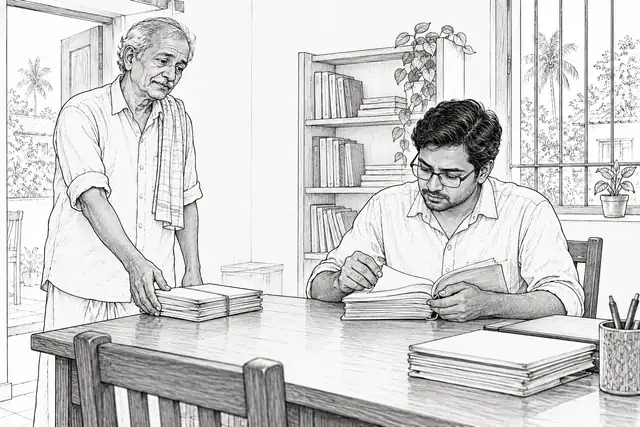
Original imagined example: A colleague sends useful notes before anyone asks. They remain unread until the team pays for similar guidance elsewhere. The colleague quotes the saying with a rueful smile about the notes that arrived too easily.
Cultural context
The dictionary labels the headword Sambalpur; that is a source classification, not proof of exclusive regional origin. The supplied gloss concerns value, not literal colour quality. Modern workplace use is editorial.
Recorded variants
ବୁଲେଇ ବିକିଲେ ମାଣିକ ଭେଣ୍ଡି।
Current wording specifies selling, not a free gift. Literal reading: If hawked about, a ruby is okra. Odia meaning: ବୁଲାଇ ବିକିଲେ ମାଣିକ ବି ଭେଣ୍ଡି—ମୂଲ୍ୟବାନ ରତ୍ନକୁ ସାଧାରଣ ପରିବା ସହ ପଙ୍କ୍ତି ଏକାକାର କରୁଛି। ଆମ ସମ୍ପାଦକୀୟ ପାଠରେ, ଜିନିଷକୁ କେମିତି ଆଗରେ ରଖାଯାଉଛି, ତାହା ତାହାର ଆଦରକୁ ପ୍ରଭାବିତ କରିପାରେ। ଏହା ରତ୍ନର ପ୍ରକୃତ ଗୁଣ ବଦଳିଯିବା ବା ବୁଲା ବିକାଳିଙ୍କ ମୂଲ୍ୟ କମ୍ ବୋଲି କୌଣସି ତଥ୍ୟ ନୁହେଁ। Interpretive reading: The line equates a ruby offered around for sale with an everyday vegetable. Our editorial reading concerns perceived worth: the way something is offered may make it seem ordinary despite its qualities. The source gives no actual price and does not establish that hawking changes an object’s inherent value.