DHAGA 357 · dictionary-labelled saying; source-informed editorial reading
Leaves and understanding
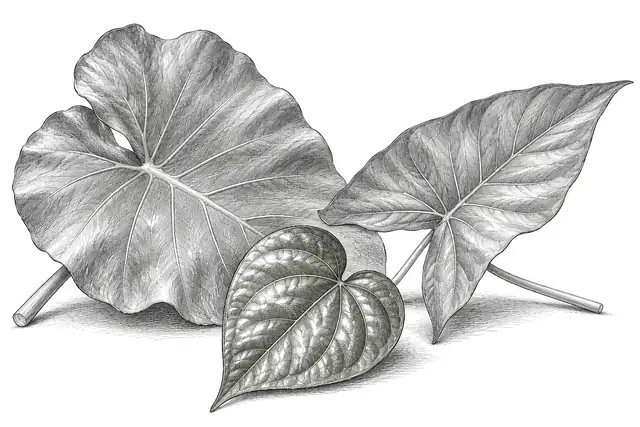
ଆଳୁ ପତର, କି ସାରୁ ପତର, ସେ କି ହୋଇବ ପାନ? ପଛରେ ଯାହାକୁ ଭାରିଯା କରିବ, ସେ କି ଜାଣିବ ମନ?
ଉତ୍ସରେ ଏହି ତୁଳନା ବିବାହ କରିବା ଅର୍ଥ ତଳେ ଅଛି। ଭିନ୍ନ ପତ୍ରରୁ ପ୍ରଶ୍ନଟି ପଛରେ ବିବାହ କରିବା ସ୍ତ୍ରୀ ମନ ବୁଝିବେ କି ନାହିଁ, ସେ ସନ୍ଦେହକୁ ଯାଏ। ଆମ ସମାଲୋଚନାମୂଳକ ପାଠ ପଚାରେ, ବୁଝାମଣାର ସମ୍ଭାବନାକୁ ଆଗରୁ କାହିଁକି ନାକଚ କରିବା? ନିର୍ଦ୍ଦିଷ୍ଟ ବିବାହ ଇତିହାସ, ପୂର୍ବ ସାଥୀ ବା କାରଣ ଉତ୍ସରେ ନାହିଁ। ଏହି ସନ୍ଦେହ ନାରୀ ବା ପରବର୍ତ୍ତୀ ବିବାହ ବିଷୟରେ ତଥ୍ୟ ନୁହେଁ।
Literal meaning
An alu leaf or a saru leaf—will it become betel? Will the woman you later take as wife know your mind?
What it means
The source places this comparison under marrying a woman. Its questions move from unlike leaves to doubt about a later wife’s understanding. Our critical reading asks why understanding should be ruled out beforehand. The line supplies no particular marriage history, earlier partner or cause; its doubt is not a fact about women or later marriages.
When you might use it
Original imagined example: ଦୁଇ ଜଣ ନୂଆ ସହକର୍ମୀ ପରସ୍ପରଙ୍କ କାମର ଢଙ୍ଗ ଜାଣିବାକୁ ସମୟ ନେଲେ। / Imagined colleagues learn one another’s working habits. This alternative application is invented, not a traditional explanation.
Cultural context
Leaf names retained without botanical identification. Marriage sense1 is distinct from nonmarital cohabitation sense2; no remarriage custom or inherent incapacity inferred.