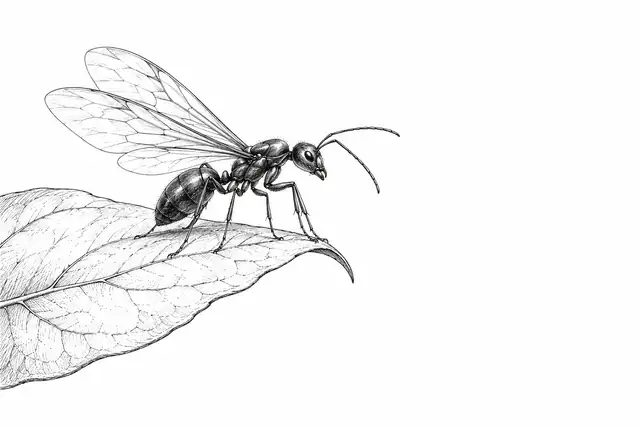
DHAGA 204 · traditional analogy
The ant grows wings
ପିମ୍ପୂଡ଼ିର ପକ୍ଷୀ ଲାଗିବା
ଡେଣା ଲାଗିବା ଶୁଣିଲେ ନୂଆ ସ୍ୱାଧୀନତାର ଚିତ୍ର ଆସେ, କିନ୍ତୁ ଅଭିଧାନ ଏହାକୁ ସର୍ବନାଶ ବା ମୃତ୍ୟୁ ପୂର୍ବର ସମୟ ଭାବେ ବୁଝାଇଛି। ଯାହା ଉନ୍ନତି ପରି ଦିଶୁଛି, ସେହି କଥାକୁ ବିପଦର ସଙ୍କେତ କରିଦେବାରେ ଉକ୍ତିଟିର ତୀବ୍ରତା। କେହି ବେପରୁଆ ଆତ୍ମବିଶ୍ୱାସ ଦେଖାଇଲେ ଏପରି କହିବାର ଏକ କଳ୍ପିତ ପ୍ରୟୋଗ ହୋଇପାରେ; ଅଭିଧାନ କିନ୍ତୁ ସେହି ନିର୍ଦ୍ଦିଷ୍ଟ ପରିସ୍ଥିତି ଦେଇନାହିଁ। ଏଠି ପୁରୁଣା ବିଶ୍ୱାସର ଛବି ଅଛି, ଡେଣାଥିବା ପିମ୍ପୁଡ଼ିର ଜୀବନ ବିଷୟରେ ବୈଜ୍ଞାନିକ ଦାବି ନୁହେଁ।
Literal meaning
The ant acquiring wings.
What it means
The image sounds like a new freedom, but the dictionary turns it into a sign of approaching ruin or death. That reversal gives the expression its ominous force: what looks like an advance is read as a warning. A speaker may use it when another person becomes recklessly confident, though that particular application is an editorial example rather than a separate source gloss. The image carries an old belief; it is not a biological account of winged ants or a prediction that someone must come to harm.
When you might use it
After one successful event, an organizer announces a much larger one without checking the costs. A friend remarks, “ପିମ୍ପୂଡ଼ିର ପକ୍ଷୀ ଲାଗିବା!” The organizer asks for the actual budget concerns rather than taking the remark as a prediction. (Original imagined example, not collected testimony.)
Cultural context
Explicit source gloss is approaching ruin/death. Preserve its severe warning register; do not soften it into a simple celebration of growth or teach the surrounding obsolete zoology as fact. Digital ପକ୍ଷୀ retained exactly; printed note2 visually checked without silent modern replacement by ଡେଣା.