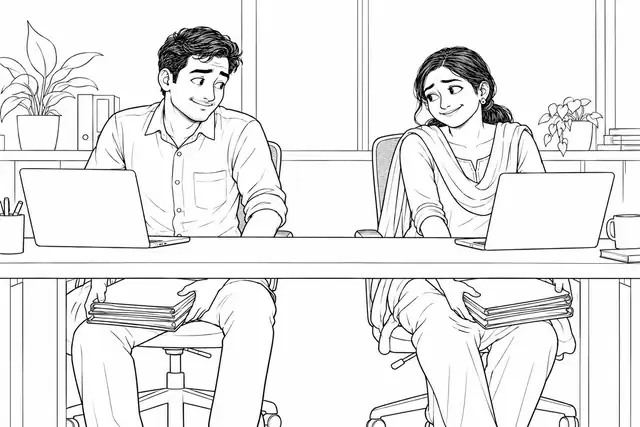
DHAGA 47 · proverbial saying
Both share the fault
ଆଲୋ ମୁତୁରି ଶୋଇବା, ତୁ ମୁତୁରୀ କି ମୁଁ ମୁତୁରା ହେଂସ କାହିଁପାଇଁ ଧୋଇବା...!!!
ଦୁଇ ଜଣଙ୍କର ଏକା ପ୍ରକାର ଅସୁବିଧା ଥିବାରୁ ସଜାଡ଼ିବାର କାମକୁ ଛାଡ଼ିଦେବାର ଭାବ ଏଥିରୁ ନିଆଯାଇପାରେ। ଏହି ପାଠରେ ଜଣଙ୍କ ତ୍ରୁଟି ଆଉ ଜଣଙ୍କ ପାଇଁ ଅଜୁହାତ ହୋଇଯାଉଛି। ଏହା ଏକ ସୀମିତ ବ୍ୟାଖ୍ୟା; ଶାରୀରିକ ସମସ୍ୟା ଥିବା ଲୋକଙ୍କୁ ଲଜ୍ଜିତ କରିବା ପାଇଁ ଉପମାଟି ବ୍ୟବହାର କରିବା ଉଚିତ ନୁହେଁ।
Literal meaning
Come, bed-wetter, let us sleep. Are you the bed-wetter, or am I? Why wash the mat?
What it means
The licensed page places this crude joke in the situation of two people sharing the same fault. One possible reading is that their shared embarrassment lets both excuse leaving things as they are. The specific suggestion of mutual indulgence is an editorial interpretation; the witness does not supply a detailed explanation. This bodily image should not be used to shame someone with an actual condition.
When you might use it
Two members who both missed a deadline agree not to mention either delay at the meeting. (New editorial example, not a collected quotation.)
Cultural context
The licensed witness has a substantially different word order from the discovery list. Its bodily and gendered forms are retained without smoothing them into that other version. Bed-wetting is a comic image here, not a moral judgment about an actual condition. The figurative explanation is an editorial interpretation, not a separately verified traditional gloss.