DHAGA 292 · dictionary-labelled saying; source-informed editorial reading
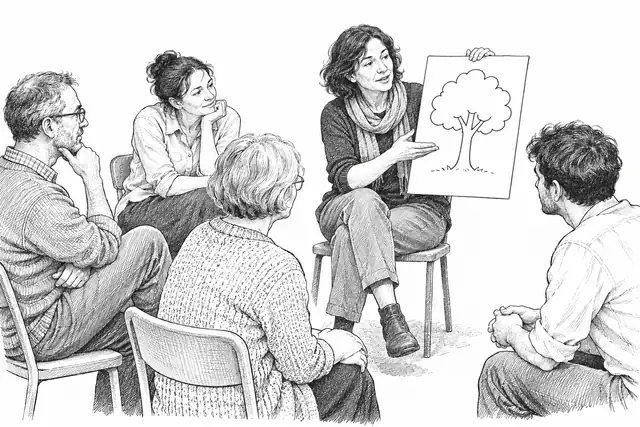
Who is listening?
ଭଇଁରା ଗାଁରେ ପୁରାଣ ସଭା ଶୁଣିଲା ଲୋକେ ହୋଇବେ କାବା
ଶୁଣିବାର ସଭାକୁ କାଲ ବୋଲି କୁହାଯାଇଥିବା ଗାଁରେ ରଖି, କଥାଟି ପୁଣି ଶୁଣିଥିବା ଲୋକଙ୍କ ଆଡ଼କୁ ଫେରେ। ଏହି ଟାଣାପଡ଼ାରେ ପରିହାସ ରହେ। ଆମ ସମାଲୋଚନାତ୍ମକ ପଢ଼ା ଧରିନିଆଯାଇଥିବା ଶ୍ରୋତା ଓ ଭାଗ ନେବାର ଉପାୟକୁ ପ୍ରଶ୍ନ କରେ; ବଧିରତାକୁ ବୁଦ୍ଧି ବା ଆଗ୍ରହର ଅଭାବ ମାନେନାହିଁ। ଉତ୍ସ କୌଣସି ପ୍ରକୃତ ଗାଁ ବା ପ୍ରଦର୍ଶନ ଦିଏନାହିଁ।
Literal meaning
A Purana gathering in a deaf village: those who hear will be astonished.
What it means
The line places a listening gathering in a village called deaf, then turns to those who hear. That tension carries the joke. Our critical reading asks about the assumed audience and the means of participation, rather than treating deafness as a lack of intelligence or interest. The source supplies no actual village or performance.
When you might use it
Original imagined example: ଏକ ପାଠ ଆଲୋଚନାରେ ଢଗଟି ପଢ଼ି ଜଣେ କହିଲେ, “ସଭାରେ କିଏ ଭାଗ ନେଇପାରିବ, ଆଗରୁ କାହିଁକି ଧରିନେବା? ଲେଖା ବା ଅନ୍ୟ ଉପାୟ ରଖିପାରିବା।” / After reading the line, a group member asks why participation should be assumed in advance and suggests providing written material too. This response is invented, not the saying’s traditional lesson.
Cultural context
Sambalpur is the dictionary’s label for the adjective, not verified origin of the saying. Exact quotation spelling is preserved; duplicated head blocks contain only one labelled saying.