DHAGA 280 · dictionary-labelled saying; source-informed editorial reading
One goes round, one stays put
ଶାହି ଶାହି ହୋଇ ବୁଲଇ ଗୋରସ, ମଦ ବିକାଯାଏ ବସି
ବୁଲିବାଟି ଗୋରସ ସହ, ବସି ବିକିବାଟି ମଦ ସହ ଯୋଡ଼ାଯାଇଛି। ବିକ୍ରିର ଦୁଇ ଭିନ୍ନ ପରିଶ୍ରମ ଏହି ବିରୋଧରେ ଦିଶେ। ଆମ ପଢ଼ାରେ ପ୍ରଶ୍ନ ଉଠେ—ଗୋଟିଏ ଜିନିଷକୁ ଧ୍ୟାନ ପାଇବାକୁ ଖୋଜି ବୁଲିବାକୁ ପଡ଼ୁଛି, ଅନ୍ୟଟି ପାଖକୁ ଲୋକ ଆସୁଛନ୍ତି କାହିଁକି? ଏହି କାରଣ ବା ପ୍ରକୃତ ଚାହିଦାର ତଥ୍ୟ ଉତ୍ସ ଦିଏନାହିଁ।
Literal meaning
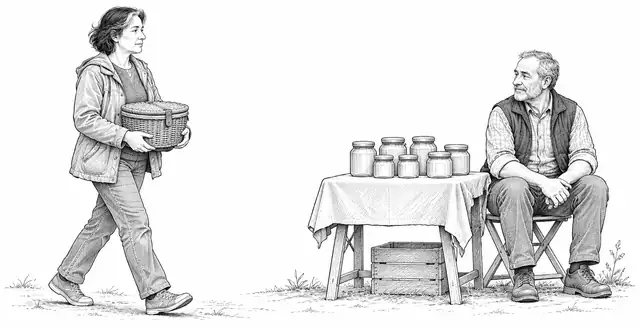
Milk goes from neighbourhood to neighbourhood; liquor is sold while sitting.
What it means
Movement belongs to the milk; sitting belongs to the liquor sale. The contrast makes unequal selling effort visible. Our reading uses that imbalance to ask why one offering must seek attention while another receives it. The source does not explain the difference or supply evidence about actual demand.
When you might use it
Original imagined example: ପଢ଼ାଚକ୍ର ପାଇଁ ନିମନ୍ତ୍ରଣ ନେଇ ସଦସ୍ୟମାନେ ଘରେ ଘରେ ଯାଉଥିଲେ। ପାଖରେ ଏକ ଖେଳ ପ୍ରତିଯୋଗିତାକୁ ଲୋକ ନିଜେ ଆସୁଥିଲେ। ଜଣେ ଢଗଟି ମନେ ପକାଇ ପଚାରିଲେ, “ଆମ ନିମନ୍ତ୍ରଣରେ କଣ ବଦଳାଇବା?” / Reading-group members deliver invitations door to door while a nearby game attracts visitors on its own. One recalls the line and asks, “What should we change in our invitation?” This comparison is invented, not a ranking of the activities.
Cultural context
The dictionary defines the repeated neighbourhood expression, not a historical trading custom. No virtue ranking, universal consumer preference or health claim is inferred.