DHAGA 163 · Religious maxim in verse
No embodied life is beyond death
ମର୍ତ୍ୟ ମଣ୍ଡଳେ ଦେହ ବହି
ଦେବତା ହୋଇଲେ ମରଇ ।
ଦେବତା ହୋଇଲେ ମରଇ ।
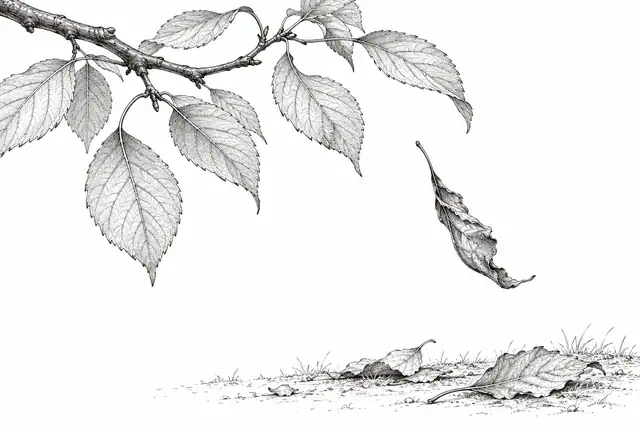
ମର୍ତ୍ୟରେ ଦେହ ଧରିଥିଲେ ଦେବତାଙ୍କର ବି ମୃତ୍ୟୁ ହୁଏ ବୋଲି ପଦଟି କହେ। ବଡ଼ତ୍ୱ ବା ଶକ୍ତି ଥିଲେ ମଧ୍ୟ ଦେହର ସୀମା ଏଡ଼ାଇହୁଏ ନାହିଁ—ଏହି ଚିନ୍ତାକୁ ଏଥିରେ ତୀବ୍ର କରାଯାଇଛି। ଏହା ଜୀବନର ଅନିତ୍ୟତା ନେଇ ଏକ ଧାର୍ମିକ ପଦ, କୌଣସି ନିର୍ଦ୍ଦିଷ୍ଟ ଘଟଣାର ବିବରଣୀ ନୁହେଁ।
Literal meaning
Bearing a body in the mortal world, even a god dies.
What it means
The verse uses the strongest possible contrast: even divinity does not escape death after taking bodily form in the mortal world. Read as counsel, it asks the listener to recognise the limits of embodied life. Its force is reflective and religious, not a factual account of a particular death.
When you might use it
While remembering an admired elder, a family reflects quietly on how no position or achievement makes a life endless. (Original imagined occasion.)
Cultural context
The wording resembles a literary or devotional maxim; the saved compilation alone does not establish its original work or oral circulation. Do not present it as medical advice or use it to dismiss someone’s grief.