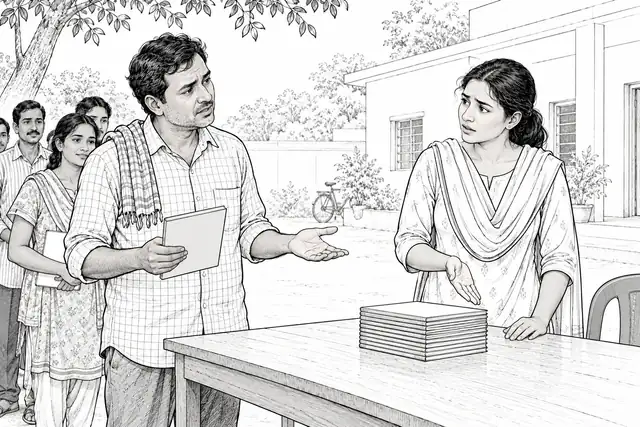
DHAGA 229 · proverbial saying
Calling a free thing costly
ମାଗଣୁ ମହର୍ଗ
କିଛି ମୂଲ୍ୟ ନ ଦେଇ ଜିନିଷଟି ମିଳିଛି, ତଥାପି ତାହା ମହର୍ଗ ବୋଲି ଅଭିଯୋଗ ହେଉଛି। ଅଭିଧାନ ଏହି ନିର୍ଦ୍ଦିଷ୍ଟ ଅସଙ୍ଗତି ପାଇଁ କଥାଟି କୁହାଯାଏ ବୋଲି ବୁଝାଇଛି। ଦୁଇ ପଦରେ ମିଳିଥିବା ସୁବିଧା ଓ ଅଭିଯୋଗର ହିସାବକୁ ସାମ୍ନାସାମ୍ନି ରଖିଦିଏ। ଜିନିଷଟି ଭଲ କି ଖରାପ, ସେ ବିଚାର ଅଲଗା; ଏଠାରେ କଟାକ୍ଷଟି ହେଉଛି ଟଙ୍କା ନ ଦେଇ ଦାମ ବିଷୟରେ ଅଭିଯୋଗ କରିବା ଉପରେ।
Literal meaning
Free, yet costly.
What it means
The dictionary gives a specific occasion for this short taunt: someone receives something without paying and still calls it expensive. The absurd price complaint does the work. A speaker can use it to prick dissatisfaction that forgets what was actually paid. It is not the different saying that a free offer always carries a hidden cost; neither does it settle whether the thing is useful or whether the recipient may refuse it. Its bite lies in this particular mismatch between receiving gratis and complaining about the price.
When you might use it
Original imagined example: A club gives away its spare notebooks. Someone accepts one, then jokingly complains that it was too expensive. The organiser replies, “ମାଗଣୁ ମହର୍ଗ,” and both laugh at the impossible bill.
Cultural context
The supplied gloss explicitly identifies the target. Do not recast it as a hidden-cost maxim or an instruction that recipients must be grateful for anything. Meaning is adapted from the dictionary gloss; example is original.