DHAGA 228 · proverbial saying
Fine cloth, once it is lost
ଥିଲାବେଳେ ଚିରାକନା ହଜିଗଲେ ମାଠ
ପାଖରେ ଥିବାବେଳେ ଯାହାକୁ ଚିରାକନା କହି ତୁଚ୍ଛ କରାଯାଉଥିଲା, ହଜିଗଲା ପରେ ସେଇଟି ମାଠ ହୋଇଯାଉଛି। ବଦଳିଛି ଜିନିଷଟି ନୁହେଁ, ତାହାର ମୂଲ୍ୟ ବିଷୟରେ କହୁଥିବା ମଣିଷର କଥା। ଥିବାବେଳେ ଆଦର ନ କରି ହରାଇବା ପରେ ବହୁତ ଆଦର ଦେଖାଇବାକୁ ଏହି ଓଲଟା ଚିତ୍ରରେ ଧରିହୁଏ। ଏଠାରେ ସେହି ହାଲୁକା କଟାକ୍ଷକୁ ଦୈନନ୍ଦିନ ଅବହେଳା ଓ ଅନୁତାପର ପ୍ରସଙ୍ଗରେ ପଢ଼ାଯାଇଛି।
Literal meaning
While it was there, a rag; once lost, a fine cloth.
What it means
The object changes in the speaker’s estimation after it disappears. What was dismissed as a torn rag suddenly becomes fine cloth worth lamenting. The joke catches the difference between the care something received and the value claimed for it afterwards. In an everyday application, it can tease exaggerated regret over an object or opportunity that was taken for granted. That application is our close reading of the contrast; the dictionary supplies the saying and the cloth vocabulary, not an account of its first use.
When you might use it
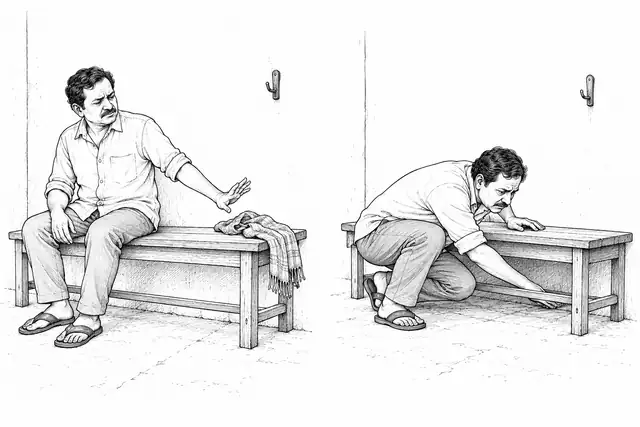
Original imagined example: A brother has called an old scarf useless for months. When he misplaces it, he calls it his finest scarf. His sister laughs and quotes the saying, reminding him how he spoke about it yesterday.
Cultural context
The image contrasts a torn rag with fine cloth; it does not specify a particular fibre, weave or historical price. Retrospective valuation is editorial close reading. No origin or general rule about grief is claimed.