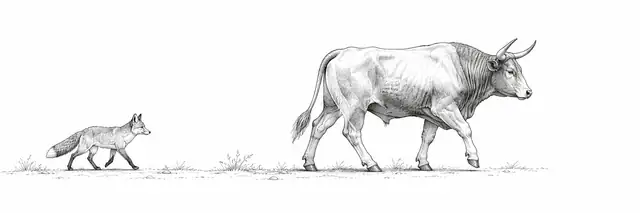
DHAGA 269 · dictionary-labelled saying; source-informed editorial reading
Following an expectation too far
ଆଶା ଲୁବଧରେ ପୂରିଲା କାଳ, ଷଣ୍ଢ ପଛେଧାଇଁ ମଲା ଶିଆଳ
ପ୍ରଥମ ଖଣ୍ଡ ଆଶା ଓ ଲୋଭ କହେ, ଦ୍ୱିତୀୟ ଖଣ୍ଡ ସେଥିରେ ମରଣାନ୍ତକ ପିଛାକରିବାର ଚିତ୍ର ଦିଏ। ଅଭିଧାନ ଉଦ୍ଧୃତିକୁ ଲୋଭ ଅର୍ଥରେ ରଖିଛି। ଆମ ପଢ଼ାରେ ଗୋଟିଏ ଆଶା ପଛରେ ଲାଗି ଅନ୍ୟ ସବୁ ପାଇଁ ସମୟ ସରିଯିବାର ମୂଲ୍ୟ ଦେଖାଯାଏ। ଶିଆଳ କଣ ପାଇବାକୁ ଚାହୁଁଥିଲା ବା କିପରି ମଲା, କଥାଟି କହେନାହିଁ। ମନେଥିବା କୌଣସି କାହାଣୀରେ ସେହି ଫାଙ୍କ ପୂରଣ କରାଯାଇନାହିଁ।
Literal meaning
Life ran out in hope and greed; the fox died chasing after the bull.
What it means
The first clause names hope and greed; the second gives them a fatal pursuit. The dictionary places the quotation under avarice. Our reading follows the cost of staying with an expectation until nothing is left for anything else. The line does not say what the fox hoped to obtain or how it died; no remembered fable is supplied to fill those gaps.
When you might use it
Original imagined example: A hobby club keeps postponing its modest exhibition while waiting for an unconfirmed grand venue. A member quotes the fox-and-bull line and suggests deciding what can actually be arranged. The invented application concerns time spent chasing a possibility, not a prediction of disaster.
Cultural context
The separate Jagannath–Bhagabata example illustrates the earlier poetic adjective; it is not credited as author of this saying. Animal imagery is literary, not zoological evidence.