
DHAGA 92 · proverbial saying
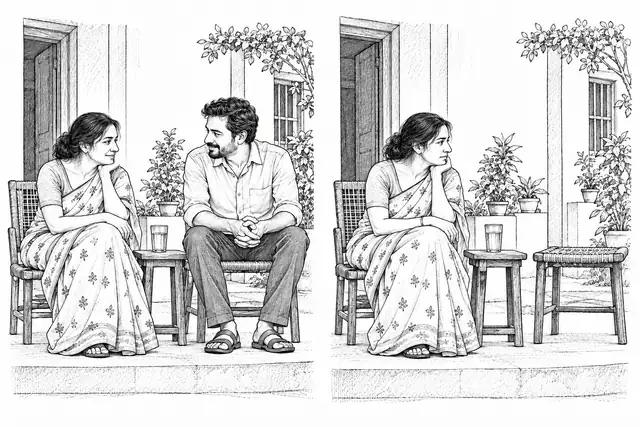
Silent together, restless apart
ଦେଖିଲେ କଥା ନ କହେ, ନ ଦେଖିଲେ ପାଣି ନ ପିଏ
ସାମ୍ନାରେ ଥିଲେ କଥା କହୁନାହାନ୍ତି, ଦୂରେ ଗଲେ ମନ ଥୟ ହେଉନାହିଁ। ବାହାରର ଦୂରତା ଓ ଭିତରର ଟାଣର ଏହି ବିରୋଧାଭାସରେ କଥାଟିର ମଜା। ଏହା ଆଚରଣର ଅମେଳକୁ ଧରେ; ସେହି ମଣିଷର ମନ କଥା ସମ୍ପୂର୍ଣ୍ଣ ଜାଣିହୋଇଗଲା ବୋଲି ନୁହେଁ।
Literal meaning
On meeting, says nothing; without seeing, will not drink water.
What it means
The contradiction is the joke: someone seems distant in person but cannot settle when the other is absent.
When you might use it
Two friends barely speak during a visit, then immediately ask when they will meet again. (New editorial example, not a collected quotation.)
Cultural context
The source labels this ଢଗ under meeting. It names no relationship or reason for the silence.
Recorded variants
ନଡିଆ ଗଛରେ ନଡିଆ ନାଇଁ
ଧଡିଆ ବସିଚି, ଗୋଡ ଲମ୍ବାଇ।
ନ ଦେଖିଲେ ଝୁରି ମରୁଥାଏ
ଦେଖିଲେ କଥା ନକହେ।Literal: There are no coconuts on the coconut tree; Dhadia sits with legs stretched out. When absent, he is sorely missed; when present, he is met with silence. ଅର୍ଥ: ଏହି ଚାରି ଧାଡ଼ିର ଧାଡ଼ାର ଉତ୍ତର ଜ୍ୱାଇଁ। ଶ୍ୱଶୁରଘରେ ଆଦର ପାଇ ସେ ଗୋଡ଼ ଲମ୍ବାଇ ଆରାମରେ ବସିଛନ୍ତି। ସେ ନଥିଲେ ଘରଲୋକ ତାଙ୍କୁ ଝୁରନ୍ତି, କିନ୍ତୁ ସାମ୍ନାରେ ଥିଲେ ସଂକୋଚରେ ବେଶି କଥା କହନ୍ତି ନାହିଁ। ନଡିଆ–ଧଡିଆ ଛନ୍ଦମିଳର ଆରମ୍ଭ; ନଡ଼ିଆ ଗଛକୁ ଧାଡ଼ାର ଆକ୍ଷରିକ ସଙ୍କେତ ଭାବେ ଧରିବା ଦରକାର ନାହିଁ। Explanation: The riddle points to a son-in-law, comfortably receiving hospitality at his in-laws’ home. They miss him when he is away but become reserved or shy in his presence. The rhyming opening sets up the verse rather than a coconut-tree clue. The humour turns on affection expressed differently in absence and presence; it does not describe every family.