DHAGA 236 · proverbial saying
What a guarantee can ask of you
ଗଛରେ ଚଢ଼ିଛି ମରିବା ପାଇଁ ଜାମିନ ହୋଇଛି ଦେବା ପାଇଁ
ଗଛରେ ଚଢ଼ିବା ସହ ମୃତ୍ୟୁ, ଜାମିନ ହେବା ସହ ଟଙ୍କା ଦେବାକୁ ପଦଟି ସିଧା ଯୋଡ଼ିଦିଏ। ସମ୍ଭାବ୍ୟ ପରିଣାମକୁ ଏତେ ନିଶ୍ଚିତ ଭାବେ କହିବାରେ ସତର୍କ କରିବାର ଜୋର ଅଛି। ଅନ୍ୟର କାମର ଦାୟିତ୍ୱ ନେଲେ ସେ ଦାୟିତ୍ୱ ନିଜ ପାଖକୁ ଫେରିଆସିପାରେ—ଆମ ପଢ଼ାରେ ଏହାହିଁ ମୁଖ୍ୟ କଥା। କେବଳ ପଦେ ହଁ କହିଦେବା ଓ ତାହାର ଭାର ବୋହିବା ଏକ କଥା ନୁହେଁ।
Literal meaning
One has climbed the tree to die; one has stood surety to pay.
What it means
The line states possible consequences with deliberately bleak certainty. Climbing brings the danger of a fall; standing surety can leave the guarantor having to pay. The dictionary defines the latter as undertaking responsibility for another person’s action. Our reading hears a warning against treating such an undertaking as empty words. It does not say that every climb is fatal or establish the legal effect of any present-day guarantee. The two compressed clauses make responsibility difficult to wave away.
When you might use it
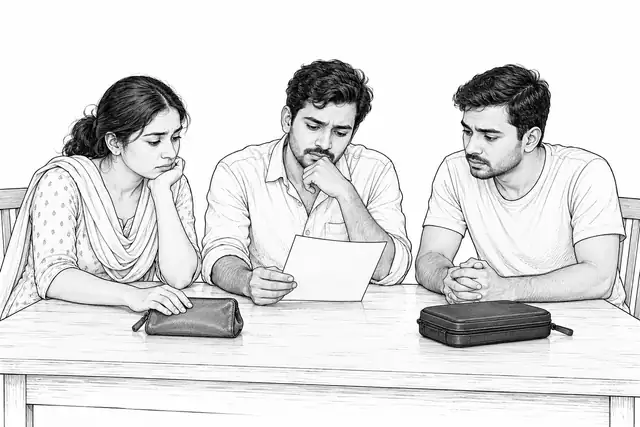
Original imagined example: A friend agrees to cover a group’s equipment bill if the others cannot pay, calling it a mere formality. Another quotes the saying and asks whether the friend has considered actually meeting that bill.
Cultural context
The stark death clause is rhetorical, not a prediction or safety instruction. Surety definition is historical lexical evidence; application is not current legal or financial advice. No actual contract is assessed.