DHAGA 275 · dictionary-labelled saying; source-informed editorial reading
The same adornment, the wrong place
ଆଖି କଜଳ ସୁହାଯାଏ ଟିରିକି କଜଳ ସୁହା ନ ଯାଏ
କଜଳର ପୁନରାବୃତ୍ତିରେ ସ୍ଥାନ ବଦଳଟି ମୁଖ୍ୟ ହୁଏ। ଦ୍ୱିତୀୟ ଖଣ୍ଡ ହଠାତ୍ ଶାଳୀନ ସ୍ୱରକୁ ତଳକୁ ଆଣି ସଜାଇବାର ଜିନିଷକୁ ସ୍ଥାନ ନେଇ ଏକ ସ୍ଥୂଳ ପରିହାସ କରେ। ଆମ ପଢ଼ାରେ ଉପଯୁକ୍ତତାର ପ୍ରଶ୍ନ ଅଛି—ଗୋଟିଏ ସ୍ଥାନରେ ମାନୁଥିବା ଜିନିଷ ଅନ୍ୟଠାରେ ଅମେଳ ହୋଇପାରେ। ଏହା ଆମର ପ୍ରୟୋଗ, କୌଣସି ପ୍ରକୃତ ଶାରୀରିକ ପ୍ରଥା ବା ମଣିଷର ମୂଲ୍ୟର ପ୍ରମାଣ ନୁହେଁ।
Literal meaning
Kohl suits the eye; kohl does not suit the anus.
What it means
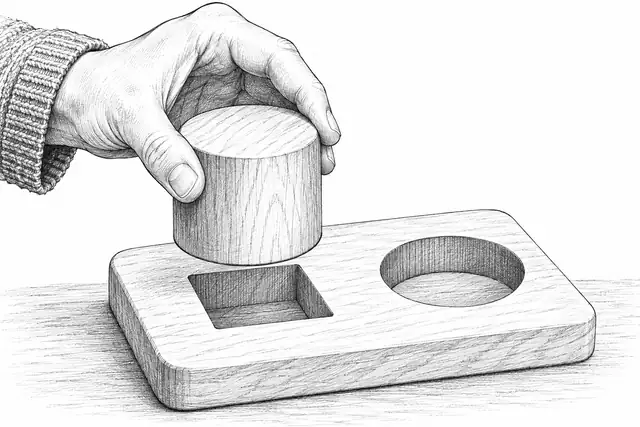
The repeated kohl makes the change of location do the work. The second half abruptly lowers the register, turning an adornment into a coarse joke about where it belongs. Our reading follows suitability: something fitting in one place can be misplaced elsewhere. That application is editorial, not evidence of an actual bodily practice or a judgment about anyone’s worth.
When you might use it
Original imagined example: A reading group discusses why an ornate welcome message works on a poster but makes a small direction sign hard to use. One reader recalls this deliberately coarse line as an analogy. The typography setting is invented, and the group can discuss the contrast without directing the insult at a person.
Cultural context
The dictionary’s second anatomical sense supports the blunt literal translation. Register is retained rather than euphemized; no physical application advice, caste comparison or universal aesthetic rule is offered.