DHAGA 253 · dictionary-labelled proverbial saying; editorial close reading
Affection and familiarity
କୁକୁର୍କେ ଲାର୍ଡ କଲେ ମୁହେଁ ଚାଟ୍ସି
ଗେହ୍ଲା ପାଇ କୁକୁର ମୁହଁ ଚାଟୁଛି—ଉତ୍ତରଟି ଅତି ନିକଟର। ଅଭିଧାନର ଶବ୍ଦାର୍ଥରେ ଅତ୍ୟଧିକ ଗେହ୍ଲା କରିବା ବା ମୁହଁ ଦେବା ଅଛି। ଆମ ପଢ଼ାରେ, ନିଜେ ବଢ଼ାଇଥିବା ନିକଟତା ଆଶାଠାରୁ ଅଧିକ ହେଲା ବୋଲି କହୁଥିବା ଲୋକର ଅଭିଯୋଗ ଶୁଣାଯାଏ। ହସଟି ତାଙ୍କ ଆଡ଼କୁ ମଧ୍ୟ ଫେରିପାରେ: ସେ ନିଜେ କେମିତି ଉତ୍ତରକୁ ଉତ୍ସାହ ଦେଇଥିଲେ? ମଣିଷକୁ ଏହି ତୁଳନାରେ କହିବା ତୀକ୍ଷ୍ଣ ଟାହି; କାହାକୁ ହୀନ କରିବା ଛଡ଼ା ମଧ୍ୟ ନିଜର ସୀମା କହିହୁଏ।
Literal meaning
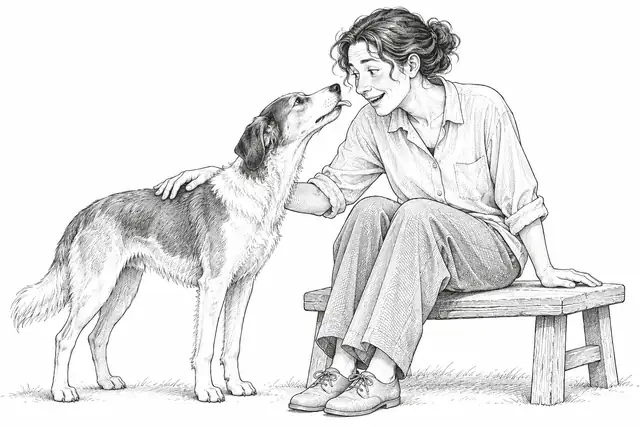
If you lavish affection on the dog, it licks your face.
What it means
The response is close and physical: affection is answered by a lick on the face. The headword gloss specifies excessive fondness, which gives the image its edge. Our reading follows the speaker’s complaint that encouraged familiarity has become more intimate than expected. The joke can also turn back on that speaker: what kind of response did the invitation encourage? Applying it to people is a sharp comparison, not a neutral description of their worth; boundaries can be discussed without treating anyone as inferior.
When you might use it
Original imagined example: A club organizer tells friends to drop in whenever they like, then complains when they arrive during his quiet afternoon. He quotes the dog line about his own overgenerous invitation. A friend suggests stating visiting hours clearly instead of blaming the guests. The self-directed use is an editorial choice.
Cultural context
The dictionary marks the headword Sambalpur regional usage; that is not an exclusive origin claim. Quoted ଲାର୍ଡ is retained without silently changing it to the headword spelling ଲାଡ଼. This is a reading of a social comparison, not animal-care guidance or a rule that kindness produces ingratitude.