DHAGA 305 · dictionary-labelled saying; source-informed editorial reading
You turned away from me
ନୂଆ ନୂଆ ଦିନା କେତେ, ନୂଆ ଦେଖି ପୁରୁଣା ପାସୋରି ଦେଲୁ, ପଛ କରି ଦେଲୁ ମତେ
ନୂଆ କିଛି ଦେଖି ପୁରୁଣାକୁ ଭୁଲିଯିବାରେ ବକ୍ତା ନିଜ ପ୍ରତି ଅବହେଳାର କଥା କହୁଛନ୍ତି। ଅଭିଧାନ ଏହାକୁ ଅନାସ୍ଥା ଅର୍ଥରେ ଦେଇଛି; ସମ୍ପର୍କଟି କଣ ବା ନୂଆ ଆକର୍ଷଣଟି କଣ, କହିନାହିଁ। ଆମ ପାଠରେ ଅନ୍ୟଜଣଙ୍କ ଉତ୍ସାହ ଭିତରେ ବାଦ୍ ପଡ଼ିଥିବା ଲୋକର ସ୍ୱର ଶୁଣାଯାଏ। ସବୁ ପରିବର୍ତ୍ତନକୁ ବିଶ୍ୱାସଘାତ କୁହାଯାଏନାହିଁ।
Literal meaning
Newness lasts how many days? Seeing the new, you forgot the old and turned your back on me.
What it means
The speaker protests being forgotten when something new appears. The source places the saying under neglect, but identifies neither the relationship nor the new attraction. Our reading attends to the person left out of another’s enthusiasm, without making every change a betrayal.
When you might use it
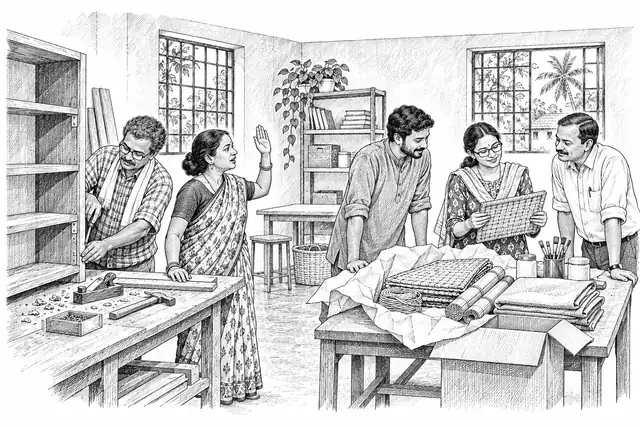
Original imagined example: ନୂଆ ପ୍ରକଳ୍ପରେ ସମସ୍ତେ ବ୍ୟସ୍ତ ଥିଲେ। ପୁରୁଣା ଦଳର ଜଣେ କହିଲେ, “ଆମ କାମର ଖବର ବି ନିଅ।” ସେମାନେ ଦୁଇ ଦଳର ଆଲୋଚନା ପାଇଁ ସମୟ ରଖିଲେ। / An established team asks not to be forgotten during a new project. The shared meeting is an invented continuation.
Cultural context
The exact source does not identify lovers, spouses, friends or a historical occasion. The opening question and addressed protest are retained without supplying those roles.