DHAGA 291 · dictionary-documented analogy (nyaya); source-informed editorial reading
Expecting kindness from the cat
ଭୁଆ ଆପଣା ଛୁଆକୁ ଖାଇବା (ନ୍ୟାୟ)
ଅଭିଧାନ ଉପମାଟିକୁ ଏପରି ବୁଝାଏ—ନିଜ ଛୁଆ ଖାଉଥିବା ଭୁଆଠାରୁ ପର ଛୁଆ ପ୍ରତି ମମତା ଆଶା କରିବା ଦୁରାଶା। କଳ୍ପିତ ଆଚରଣଟି ଦେଖିସାରି କଣ ଆଶା କରାଯାଉଛି, ସେହି ବିରୋଧ ମୁଖ୍ୟ। ଆମ ପଢ଼ାରେ ଭରସାର ଆଧାର ନେଇ ପ୍ରଶ୍ନ ଅଛି। ମୂଳ ଧାରଣାଟି ଉତ୍ସର ଉପମା ଭାବେ ରହେ, ବିରାଡ଼ି ବିଷୟରେ ସାଧାରଣ ତଥ୍ୟ ବା ମଣିଷ ବଦଳିପାରେନାହିଁ ବୋଲି ନିୟମ ହୁଏନାହିଁ।
Literal meaning
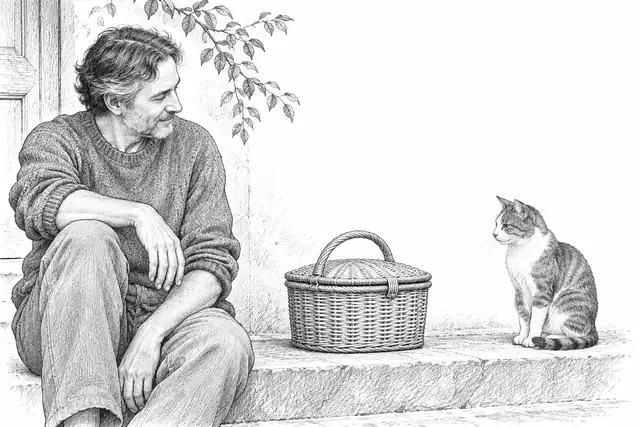
The tomcat eating its own young: an analogy.
What it means
The dictionary explains the analogy as vainly expecting kindness toward another’s young from a cat that eats its own. The contrast concerns what one expects after the conduct already imagined. Our reading asks what grounds there are for trust; the premise is retained as the source’s analogy, not offered as a general fact about cats or a rule that people cannot change.
When you might use it
Original imagined example: ଏକ ଆଲୋଚନାରେ ଜଣେ ଭରସା ଚାହୁଁଥିବା ସଂସ୍ଥାର ପୂର୍ବ ଅଙ୍ଗୀକାର ଭଙ୍ଗ କଥା ଉଠାଇଲେ। ଅନ୍ୟଜଣ ଉପମାଟି ମନେ ପକାଇ କହିଲେ, “ବଦଳିଥିବାର ପ୍ରମାଣ କଣ, ସେଥି ଦେଖିବା।” / A group considers trusting an organisation that previously broke commitments. Someone recalls the analogy: “Let us look for evidence that it has changed.” The application is invented and does not declare change impossible.
Cultural context
This is a documented analogy headed nyaya, not a reconstructed verse or folktale. No particular animal, human incident, original author or zoological observation is established.