DHAGA 220 · proverbial saying
Raised like a flower, then dropped
କଣ୍ଟାଫିରିକି, ଏତେ ଗୁଣ ବୋଲି ଜାଣିଥିଲି କି ବେଳସୁଁ ନ କହିଲୁ ଫୁଲପରା କରି ଟେକି ଧରିଥିଲୁ କଚାଡ଼ି ପକେଇଲୁ
ଆଗରୁ ଫୁଲ ପରି ଟେକି ଧରିଲ, ପରେ କଚାଡ଼ି ପକାଇଲ—ଏହି ଓଲଟା ଆଚରଣକୁ ଧରି ବକ୍ତା ପ୍ରଶ୍ନ କରୁଛନ୍ତି। ଏତେ ଗୁଣ ଥିଲା ବୋଲି କହିବାଟି ଏଠାରେ ପ୍ରଶଂସାର ଓଲଟା ସ୍ୱରରେ ଶୁଣାଯାଇପାରେ। ଅଭିଧାନର ସଂଯୁକ୍ତ ପିରିକ ଶବ୍ଦରେ କଣ୍ଟାଯୁକ୍ତ ଗଛର କଥା ଅଛି; ଫୁଲ ପରି ଆଦର ଓ କଣ୍ଟାର ଖୋଚା ଏହି ପାଠରେ ପାଖାପାଖି ଆସେ। ପ୍ରଥମେ ଭରସା ବା ପ୍ରଶଂସା ଦେଇ ପରେ ହଠାତ୍ ଦୂରେଇଦେବାକୁ ଏହି କଥାରେ ଅଭିଯୋଗ କରିହୁଏ। କୌଣସି ନିର୍ଦ୍ଦିଷ୍ଟ ପ୍ରେମକାହାଣୀ ବା ଘଟଣାକୁ ଏହାର ମୂଳ ବୋଲି ଉତ୍ସ କହେନାହିଁ।
Literal meaning
Thorny phiriki, did I know you had such qualities? Why did you not tell me in time? You held me up like a flower, then flung me down.
What it means
The voice turns on someone who first treated the speaker tenderly and then hurtfully reversed that treatment. “Such qualities” can be heard as an ironic compliment: the ending reveals why the earlier admiration has soured. The linked dictionary entry identifies phiriki as a thorny plant; the flower and the thorn therefore offer a sharp contrast without requiring a story about a particular person. The main entry supplies the words but no separate account of their occasion. Our conversational reading is a reproach for praise or support followed by abrupt rejection, not proof of a named betrayal or romance.
When you might use it
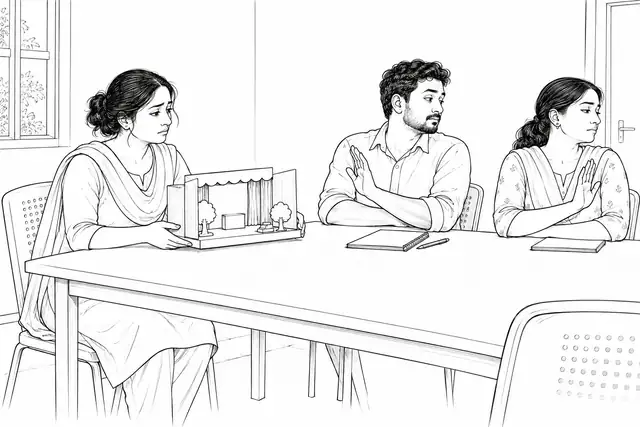
Original imagined example: A theatre group warmly praises a volunteer’s idea and asks them to prepare it. At the next meeting, the same people dismiss it without explanation. The volunteer quotes the saying to point out that sudden reversal. The theatre setting is invented, not the source’s occasion.
Cultural context
The source labels this a saying; its linked lexical entry supplies only the thorny-plant meaning. No species identification, medicinal property, actual physical assault or fixed romantic relationship is claimed. Flower/thorn contrast and the modern conversational application are editorial readings.