DHAGA 295 · dictionary-labelled saying; source-informed editorial reading
A lament against the times
ପୋଡ଼ି ଯାଉ ଏ ଯୁଗର ରୀତି, ଅଜା ଥାଉଁ ଥାଉଁ ମରଇ ନାତି
ଯୁଗକୁ ଅଭିଶାପ ଦେବା ପରେ ଏମିତି ମୃତ୍ୟୁ ଆସେ ଯାହା ପିଢ଼ିର ଆଶାକରା କ୍ରମକୁ ଓଲଟାଇ ଦିଏ। ଆମ ପଢ଼ାରେ ଶୋକ ସେ ଓଲଟାଣିକୁ ପ୍ରତିବାଦ କରୁଥିବା ଶୁଣାଯାଏ। କଥାଟି କୌଣସି କାରଣ ବା ନିର୍ଦ୍ଦିଷ୍ଟ ପରିବାରର ନାମ ଦିଏନାହିଁ; “ଯୁଗ” ପ୍ରତି ରାଗ ମୃତ୍ୟୁର କାରଣ ଯୁଗ ଥିଲା ବୋଲି ପ୍ରମାଣ ନୁହେଁ।
Literal meaning
Let the ways of this age burn: while the grandfather is still alive, the grandson dies.
What it means
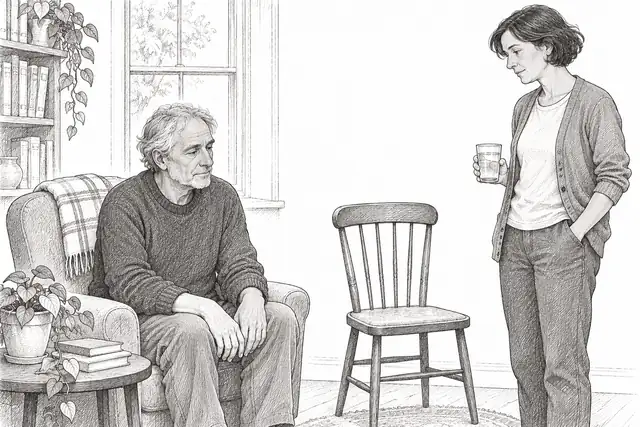
The curse against the age is followed by a death that reverses the expected generational order. Our reading hears grief protesting that reversal. The line names no cause or particular family, and its anger at “the times” is not evidence that an era caused the death.
When you might use it
Original imagined example: ଏକ ପାଠ ଆଲୋଚନାରେ ଜଣେ ପଚାରିଲେ, “ଯୁଗକୁ କାହିଁକି ଦୋଷ ଦିଆଯାଉଛି?” ଅନ୍ୟଜଣ କହିଲେ, “ହୁଏତ କାରଣ ବୁଝାଇବାଠାରୁ ଦୁଃଖକୁ କହିବା ଏଠି ମୁଖ୍ୟ।” / A reading group asks why the age is blamed. Someone suggests that expressing grief may matter more here than explaining a cause. This discussion is invented, not testimony from a bereaved family.
Cultural context
The dictionary supplies the phrase “spirit of the age.” No historical mortality pattern, named death or literal call to burn anything is established.