DHAGA 217 · proverbial saying
More for the fed, nothing for the hungry
ଯେ ତବତ ଖାଇଛି ସେ ପଖାଳ ଖାଉ, ଯେ କିଛି ନ ଖାଇଛି ସେ ଗାଧୋଇ ଯାଉ
ଯିଏ ଗରମ ଭାତ ଖାଇସାରିଛି, ତାକୁ ପୁଣି ପଖାଳ; ଯିଏ କିଛି ଖାଇନାହିଁ, ତାକୁ ଗାଧୋଇ ଯିବାକୁ କୁହାଯାଉଛି। ଗାଧୋଇ ଯିବାର ଲକ୍ଷଣାର୍ଥ ଅଭିଧାନରେ କୌଣସି ଲାଭ ବା ଉପଭୋଗରୁ ବଞ୍ଚିତ ହେବା। ଶୁଣିବାକୁ ବଣ୍ଟନର ନିର୍ଦ୍ଦେଶ ଭଳି, ହେଲେ ଭାଗବଣ୍ଟାଟି ପୂରା ଓଲଟା। ଯାହାର ମିଳିସାରିଛି ତାକୁ ଆହୁରି ମିଳୁଛି, ଯାହାର କିଛି ନାହିଁ ତାକୁ ଦୂରେଇ ଦିଆଯାଉଛି—ଏହି ଅନ୍ୟାୟକୁ ଦେଖାଇବାରେ କଥାଟିର କଟାକ୍ଷ ଲାଗିପାରେ। ଏଠାରେ ଆମେ ସେହି ବୈଷମ୍ୟକୁ ଚିହ୍ନଟ କରି ପଢ଼ୁଛୁ, ତାକୁ ଠିକ୍ ବୋଲି କହୁନାହୁଁ।
Literal meaning
Let the one who has eaten hot rice have pakhala; let the one who has eaten nothing go off to bathe.
What it means
The people already fed receive another dish, while those who have had nothing are sent away. The dictionary’s figurative sense of going to bathe—being deprived of an enjoyment—makes the exclusion explicit. The pairing sounds almost like an orderly instruction, but the distribution it describes is upside down. It can give a speaker a pointed way to expose favouritism: those already served are served again, and unmet need is dismissed. This is an editorial reading of the contrast, not a rule about who deserves food.
When you might use it
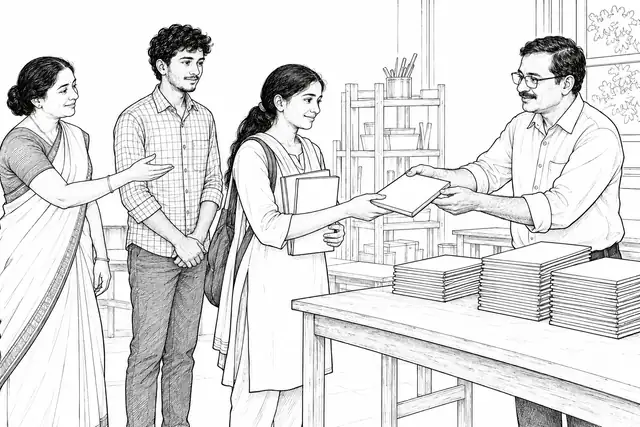
Original imagined example: A workshop gives extra notebooks to participants who already received supplies, while late arrivals are told there are none for them. One participant quotes the saying to question the arrangement and asks for the remaining notebooks to be shared fairly.
Cultural context
The hot-rice sense of ତବତ is independently checked in a second entry of the same dictionary lineage (revision221175), not an independent witness to the saying. Pakhala is retained as the food name. Unlike existing166, this is about unequal allocation and exclusion, not deciding between dishes before asking.