DHAGA 214 · ironic blessing
A blessing that lasts one night
ଜହ୍ନିଫୁଲ ପରି ଆୟୁଷ ପା ସଞ୍ଜେ ଫୁଟି ସକାଳେ ଯା
ଆୟୁଷ ପା ବୋଲି କଥାଟି ଆଶୀର୍ବାଦ ଭଳି ଆରମ୍ଭ ହୁଏ, ହେଲେ ସେହି ଆୟୁଷ ସଞ୍ଜରୁ ସକାଳ ପର୍ଯ୍ୟନ୍ତ ମାତ୍ର। ଦୀର୍ଘ ଜୀବନର ଆଶାକୁ ଏମିତି ଓଲଟାଇ ଦେବାରେ ତାହାର ବ୍ୟଙ୍ଗ। ଅଭିଧାନ ଏହାକୁ ବ୍ୟଙ୍ଗୋକ୍ତିମୂଳକ ଆଶୀର୍ବଚନ କହିଛି ଓ ଥଟ୍ଟାରେ କୁହାଯାଏ ବୋଲି ଲେଖିଛି। ଫୁଲ ଏଠାରେ ଅଳ୍ପ ସମୟର ଚିତ୍ର ହୋଇ ଆସିଛି। କିଏ କାହାକୁ କେଉଁ ପରିସ୍ଥିତିରେ କହୁଛି, ସେହି ଅନୁସାରେ ଏହି ଓଲଟା ଆଶୀର୍ବାଦ ହସ ମଧ୍ୟ ଆଣିପାରେ, ଆଘାତ ମଧ୍ୟ ଦେଇପାରେ।
Literal meaning
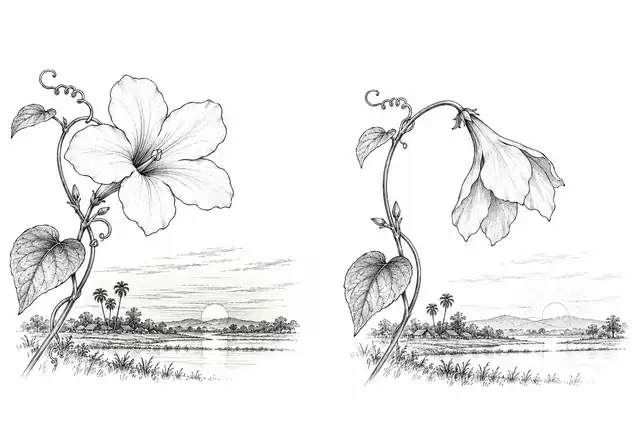
Have a lifespan like the jahni flower: bloom at dusk and be gone by morning.
What it means
The line opens like a blessing for someone’s life, then gives that life only the span from dusk to morning. The dictionary explicitly marks it as an ironic blessing and says it is spoken in jest. That reversal, rather than a gentle wish for longevity, is the point of the joke. The flower supplies the source’s image of brevity; this explanation is not a botanical lifespan claim. Depending on the relationship and occasion, such a mock blessing can sound playful or cruel.
When you might use it
Original imagined example: A friend announces yet another promise to start a daily walk tomorrow. Remembering yesterday’s abandoned plan, another friend quotes the flower blessing about the new promise, and both laugh at how briefly the last resolve lasted. Applying the image to a promise rather than a person’s life is an editorial transfer in this example.
Cultural context
This is a documented mock blessing, not an instruction to wish someone harm. The printed entry’s dusk/morning wording supports the irony; no particular ceremony, speaker, first author or origin event is established. Surrounding dictionary material on a flower-related observance is a separate entry and is not imported as this saying’s origin.