DHAGA 246 · proverbial saying
A flourish on someone else’s wealth
ପରଧନେ ଲହର ଫହର; ଛଡାଇ ନେଲେ ଲାଜେ ମର
ପରର ଧନରେ ଚାଲିଛି ଲହର ଫହର; ସେ ଧନ ଫେରିଗଲେ ଦେଖାଣିର ଭିତ୍ତିଟି ମଧ୍ୟ ରହେନାହିଁ। ପ୍ରଥମ ଭାଗର ଆରାମ ଓ ଚଳପ୍ରଚଳକୁ ଦ୍ୱିତୀୟ ଭାଗର ଲାଜ ହଠାତ୍ ଅଟକାଇଦିଏ। ଆମ ପଢ଼ାରେ, ନିଜର ନୁହେଁ ଏମିତି ଜିନିଷକୁ ନିଜ ବଡ଼ପଣର ପ୍ରମାଣ କରି ଦେଖାଇବା ଏହି ଟାହିର ଲକ୍ଷ୍ୟ। “ଲାଜେ ମର” କଥାର ଅତିରଞ୍ଜନ; ସାହାଯ୍ୟ ନେଉଥିବା ମଣିଷକୁ ଛୋଟ କରିବା ଏଠାରେ ଆମର ପଢ଼ା ନୁହେଁ।
Literal meaning
You move about in style on another’s wealth; when it is taken away, you die of shame.
What it means
The first half gives someone room to move and make a show; the second suddenly takes that support away. The dictionary defines the headword as moving to and fro, while the verse puts that movement on another person’s wealth. Read as a taunt, it catches the embarrassment of displaying what one cannot claim as one’s own. The closing “die of shame” is exaggerated reproach, not a literal instruction. Our wider reading concerns borrowed display and insecure pretension, not the worth of people who receive help.
When you might use it
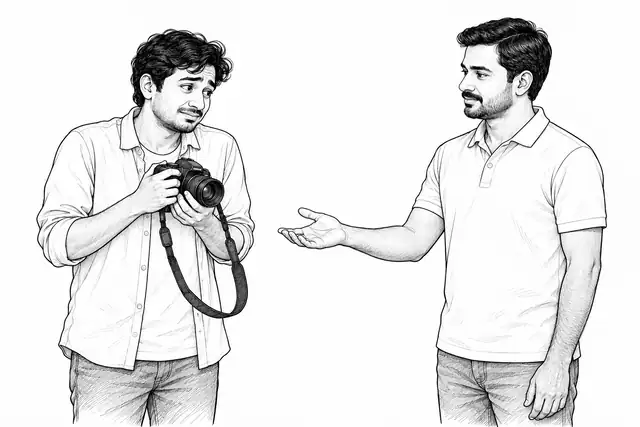
Original imagined example: Someone poses with a friend’s expensive camera and lets others think it belongs to them. When the friend asks for it back, another friend quotes the saying softly. The joke concerns the false impression, not borrowing a camera.
Cultural context
The dictionary labels the headword Sambalpur; this is a source label, not proof of exclusive regional origin. The display reading is editorial close reading, not an independently supplied traditional-use gloss.