DHAGA 283 · dictionary-labelled saying; source-informed editorial reading
So many fine qualities
ମଉନମୁହୀଁର ଅପାର ଗୁଣ
ଅଭିଧାନର ବ୍ୟଙ୍ଗ୍ୟ ଅର୍ଥ—ବାହାରକୁ ଚୁପ୍, ଭିତରେ କପଟ—ପ୍ରଶଂସାର ସ୍ୱରକୁ ଓଲଟାଇ ଦିଏ। ତେଣୁ “ଗୁଣ” କଥାରେ ସରଳ ପ୍ରଶଂସା ବଦଳେ ଖୋଚା ରହେ। ଆମ ସମାଲୋଚନାତ୍ମକ ପଢ଼ା ସେ ଇଙ୍ଗିତକୁ ରଖି ପ୍ରଶ୍ନ କରେ: କେବଳ ଚୁପ୍ ରହିବା କପଟର ପ୍ରମାଣ ହୋଇପାରେନାହିଁ। ଏହି ପ୍ରତିକ୍ରିୟା ଆମର; ଉତ୍ସର ଗୁପ୍ତ ସହନଶୀଳ ଶିକ୍ଷା ନୁହେଁ।
Literal meaning
The quiet one has boundless qualities.
What it means
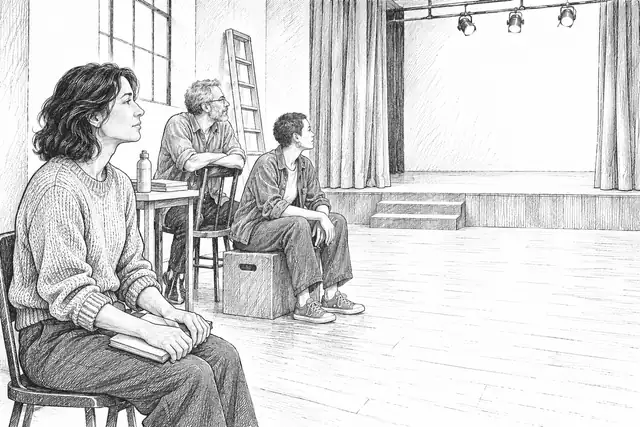
The praise turns on the dictionary’s explicitly ironic definition: apparently quiet, yet scheming. “Qualities” therefore carries a sting rather than straightforward admiration. Our critical reading keeps that insinuation audible while questioning it: silence alone cannot establish deceit. This response is ours, not a tolerant lesson hidden in the source.
When you might use it
Original imagined example: ବୈଠକରେ ଜଣେ ସଦସ୍ୟ କମ୍ କଥା କହିଲେ। ଅନ୍ୟଜଣ ଢଗଟି ଉଠାଇଲେ। ସଭାପତି କହିଲେ, “ଚୁପ୍ ଥିଲେ ବୋଲି ସନ୍ଦେହ କରିବା କାହିଁକି? ତାଙ୍କ ମତ ଶୁଣିବା।” / A member speaks little at a meeting. Someone invokes the line. The chair replies, “Why suspect them for being quiet? Let us hear their view.” This exchange is invented.
Cultural context
The head lists a feminine form matching the quotation. Its broad claim about quiet people is a historical dictionary judgment, not evidence about a gender or personality type.