DHAGA 277 · dictionary-labelled saying; source-informed editorial reading
A headache without a head
ମୁଣ୍ଡ ନାହିଁ, ତାର ମୁଣ୍ଡ ବଥା
ମୁଣ୍ଡକୁ ବାଦ ଦେଇ ତାହାର ବଥାକୁ ରଖାଯାଇଛି—ଅସମ୍ଭବ ଅଭିଯୋଗଟି ହିଁ ପରିହାସ। ଏହି ଶବ୍ଦର ଅଲଗା ଲକ୍ଷଣାର୍ଥରେ ଗଭୀର ଚିନ୍ତା ଦିଆଯାଇଛି। ଆମ ପଢ଼ାରେ ନଥିବା ଦାୟିତ୍ୱ ନେଇ ଚିନ୍ତାକୁ ଏହି ବିରୋଧାଭାସରେ ଦେଖାଯାଏ; ସେ ପ୍ରୟୋଗର କୌଣସି ନିର୍ଦ୍ଦିଷ୍ଟ ଅବସର ଉତ୍ସ ଦିଏନାହିଁ। କାହାର ପ୍ରକୃତ ଯନ୍ତ୍ରଣା ମିଛ ବୋଲି ଏଥିରୁ ପ୍ରମାଣ ହୁଏନାହିଁ।
Literal meaning
There is no head, yet it has a headache.
What it means
The line removes the head and keeps its ache: an impossible complaint compressed into a joke. The entry separately gives a figurative sense of deep anxiety. Our reading transfers the paradox to worry about a responsibility that does not exist; the source supplies no particular occasion for that use. It does not establish that anyone’s actual pain is false.
When you might use it
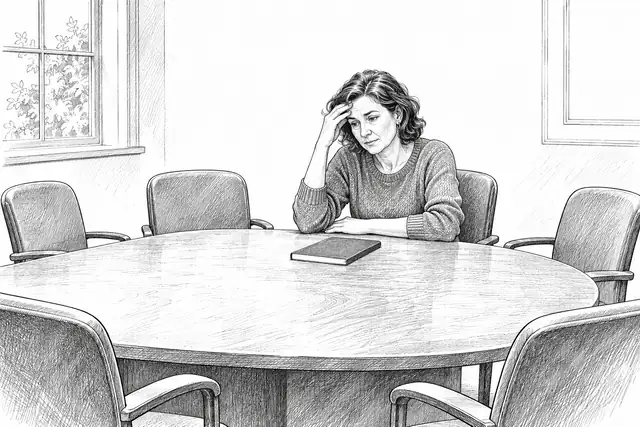
Original imagined example: ଅରୁଣ ଏପର୍ଯ୍ୟନ୍ତ ଗଢ଼ା ହୋଇନଥିବା ସମିତିର ବୈଠକ କେଉଁଠି ହେବ ବୋଲି ଚିନ୍ତା କରୁଥିଲେ। ସାଙ୍ଗ କହିଲେ, “ଆଗେ ସମିତି ହେଉ, ତାପରେ ଜାଗା ଖୋଜିବା,” ଓ ଢଗଟି ମନେ ପକାଇଲେ। / Arun worries about a meeting venue for a committee that has not been formed. A friend says, “Let the committee exist first; then we can find a room,” and recalls the line. This exchange is invented.
Cultural context
The bodily impossibility is preserved. The anxiety definition is lexical context, not a supplied gloss of this quotation; the modern committee application is editorial and gives no medical advice.