
DHAGA 200 · proverbial saying
The claim of knowing three births
ରଙ୍କ ତିନି ଜନମ କଥା ଜାଣେ
ତିନି ଜନ୍ମର କଥା ଜାଣିବା ଶୁଣିଲେ ଅସାଧାରଣ ଜ୍ଞାନର କଥା ମନେ ହୁଏ, କିନ୍ତୁ ଅଭିଧାନର ବ୍ୟାଖ୍ୟାରେ ଅଛି ଏକ କଠୋର ବିଶ୍ୱାସ। ସେହି ବ୍ୟାଖ୍ୟା ପୂର୍ବ ଜନ୍ମରେ ଦାନ ନକରିବାକୁ ଏ ଜନ୍ମର ଦାରିଦ୍ର୍ୟର କାରଣ କହେ, ଆଉ ଏ ଜନ୍ମରେ ଦାନ ନକରିବାରୁ ପର ଜନ୍ମରେ ବି ଦରିଦ୍ର ହେବ ବୋଲି କଳ୍ପନା କରେ। ପୂର୍ବ ଜନ୍ମରେ ସେ ଦରିଦ୍ର ଥିଲା ବୋଲି ଉତ୍ସ କହେ ନାହିଁ। ଏହା ଲିପିବଦ୍ଧ ବିଶ୍ୱାସ, କାହାର ଦାରିଦ୍ର୍ୟର ପ୍ରମାଣିତ କାରଣ ନୁହେଁ। କଥାଟିକୁ ପ୍ରଶ୍ନ କରି ପଢ଼ିଲେ ଦେଖାଯାଏ, ଏକ ଚତୁର ଉକ୍ତି କିପରି ଅଭାବରେ ଥିବା ଲୋକଙ୍କ ଉପରେ ଦୋଷ ଲଦି ତାହାକୁ ଜ୍ଞାନ ପରି ଶୁଣାଇପାରେ।
Literal meaning
A poor person knows the story of three births.
What it means
The line sounds like a claim to remarkable knowledge, but the dictionary supplies a harsh explanation. It attributes present poverty to not giving charity in a previous birth, then predicts poverty in the next birth from not giving in the present one. The three births connect alleged past conduct, present hardship and a predicted future; the gloss does not say that the person was poor in the previous birth. This is a recorded belief, not evidence explaining anyone’s poverty. Read critically, the saying shows how a neat turn of speech can make blame sound like settled knowledge.
When you might use it
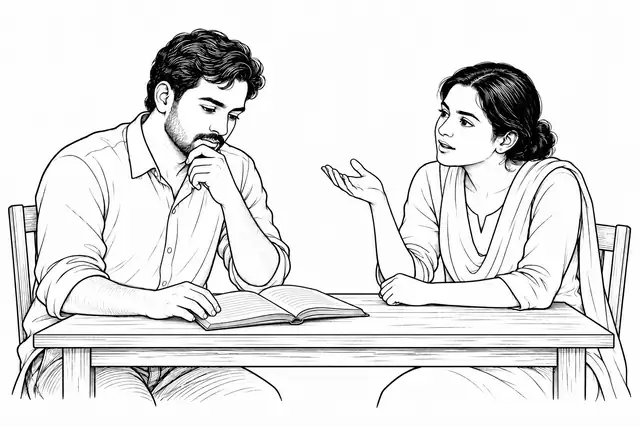
In a reading group, someone quotes “ରଙ୍କ ତିନି ଜନମ କଥା ଜାଣେ” and reads the dictionary gloss aloud. Another reader asks, “How could we know someone’s past birth—and why should their present hardship be taken as evidence against them?” (Original imagined example, not collected testimony.)
Cultural context
Critical historical documentation, not a recommended reproach to use against poor people. The source gives a karma/charity explanation explicitly; no observed past-life fact, empirical cause of poverty, general Odia belief or present community endorsement is established. The critical reading is Project Odisha’s editorial response.
Recorded variants
ରଙ୍କକୁ ତିନି ଜନମ କଥା ଜଣା