DHAGA 282 · dictionary-labelled saying; source-informed editorial reading
Whose words cause offence?
ଛୋଟ ମୁହଁରେ ବଡ଼ କଥା, ଶୁଣିଲା ଲୋକର ମନ ବ୍ୟଥା
ଅଭିଧାନରେ “ଛୋଟ” କଥାଟି ନୀଚ ବା ନଗଣ୍ୟ ବୋଲି ଧରାଯାଇଥିବା ମଣିଷକୁ ସୂଚାଏ। ସେ ମଣିଷର କଥା ପାଖରେ ଶ୍ରୋତାର ମନବ୍ୟଥା ରଖାଯାଇଛି। ଆମର ସମାଲୋଚନାତ୍ମକ ପଢ଼ାରେ ପ୍ରଶ୍ନ—କଥାଟି ବାଧିଲା, ନା କହୁଥିବା ଲୋକକୁ ମର୍ଯ୍ୟାଦା ଦେବାର ଅନିଚ୍ଛା? ଏହି ପ୍ରଶ୍ନ ଉଚ୍ଚନୀଚ ବିଚାର ଉପରେ ପ୍ରଶ୍ନ ଉଠାଏ; ଢଗଟି ନିଜେ ସହନଶୀଳତାର ନୀତି ଶିଖାଉଛି ବୋଲି କୁହାଯାଉନାହିଁ।
Literal meaning
Big words from a small mouth: the listener’s mind is hurt.
What it means
The dictionary’s “small” marks a person treated as low or insignificant. The line places the listener’s hurt beside that person’s speech. Our critical reading asks whether the offence comes from the words or from refusing the speaker standing. That question challenges the hierarchy; it is not a tolerant moral supplied by the saying.
When you might use it
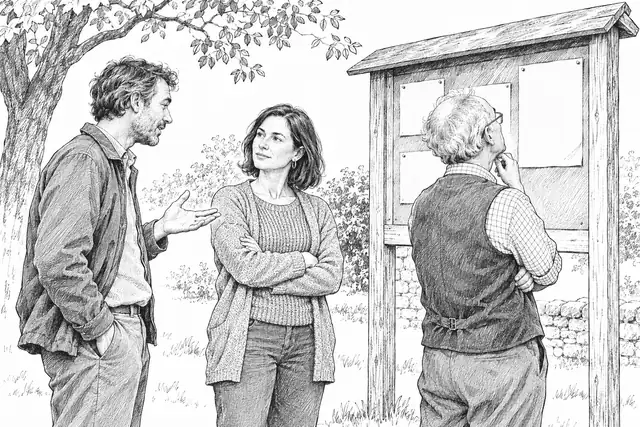
Original imagined example: ନୂଆ ସଦସ୍ୟ ହିସାବର ଏକ ଭୁଲ ଦେଖାଇଲେ। ଜଣେ ଢଗଟି କହି ତାଙ୍କୁ ଚୁପ୍ କରାଇବାକୁ ଚାହିଁଲେ। ସଭାପତି କହିଲେ, “ସେ କେତେଦିନର ସଦସ୍ୟ, ତାହା ନୁହେଁ; ହିସାବଟି ମେଳୁଛି କି ଦେଖିବା।” / A newcomer points out an accounting error. Someone invokes the saying to silence them. The chair replies, “Their membership is recent; let us still check the figures.” This critical exchange is invented.
Cultural context
Historical rank language is retained as source evidence, not a judgment of anyone’s worth. The source identifies no caste, age, gender or particular speaker in the quotation.