DHAGA 344 · dictionary-labelled saying; source-informed editorial reading
We know why you keep passing
ତୁମ୍ଭେ ଯହିଁ ପାଇଁ ଘଷରପଶର ଆମେ ସେ କଥାଟି ଜାଣୁ
କାହାର ବାରମ୍ବାର ଯିବାଆସିବା ପଛର କାରଣ ଜାଣିଛୁ ବୋଲି ବକ୍ତା କହୁଛନ୍ତି। ଅଭିଧାନରେ ଧାଡ଼ିଟି ଯିବାଆସିବା ଅର୍ଥ ତଳେ ଅଛି, ପରବର୍ତ୍ତୀ କାମରେ ବିଳମ୍ବ ଅର୍ଥରେ ନୁହେଁ। ଆମ ପାଠରେ ବକ୍ତା ଜାଣିଥିବାର ଭଙ୍ଗୀରେ ପ୍ରଶ୍ନ ଉଠାଉଛନ୍ତି। ସେ ପ୍ରକୃତରେ ଠିକ୍ ଜାଣନ୍ତି କି ନାହିଁ, ତାହା ଖୋଲା ରହେ। ଉଦ୍ଦେଶ୍ୟ ବା ସମ୍ପର୍କ ଅଜଣା; ଠକାମି, ପ୍ରେମ ବା ଅପରାଧ ଏଥିରୁ ପ୍ରମାଣିତ ହୁଏନାହିଁ।
Literal meaning
We know what you are moving back and forth for.
What it means
The speaker claims to know the purpose behind someone’s repeated passing. The dictionary places the line under movement to and fro, not its later sense of delaying work. Our reading hears a knowing challenge, while leaving open whether the claimed knowledge is correct. The line identifies neither the purpose nor the relationship; it does not establish deceit, romance or wrongdoing.
When you might use it
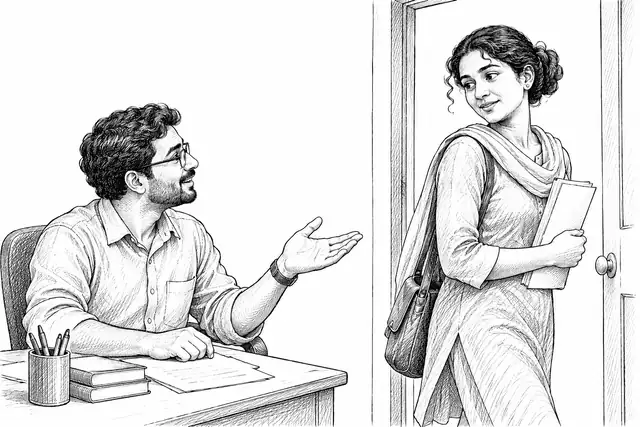
Original imagined example: ଟେବୁଲ୍ ପାଖେ ବାରମ୍ବାର ଆସୁଥିବା ସାଥୀଙ୍କୁ ଜଣେ ପଚାରିଲେ, କିଛି ଦରକାର କି? ଅନୁମାନରେ ଅଟକି ନ ରହି ସେ ଉତ୍ତର ଶୁଣିଲେ। / Someone asks a repeatedly passing colleague what they need and listens instead of relying on a guess. This response is invented.
Cultural context
The invented response asks rather than asserts knowledge; it is an editorial alternative, not a recorded traditional use. No gender, fixed social setting or hidden motive is supplied.