DHAGA 244 · proverbial saying
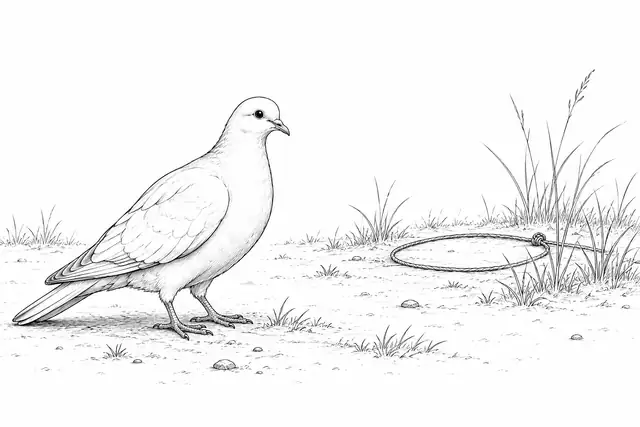
The bird, but not the trap
ଘୁ ଘୁ ଦେଖିଛି ଫାନ୍ଦ ଦେଖି ନାହିଁ
ପକ୍ଷୀଟିକୁ ଦେଖିଛି, କିନ୍ତୁ ଫାନ୍ଦକୁ ଦେଖିନାହିଁ—ଦୁଇ ପ୍ରକାର ଜାଣିବାର ତଫାତ ଏଠାରେ ଆସେ। ଚିହ୍ନା ଜିନିଷଟିକୁ ଜାଣିଲେ ମଧ୍ୟ ତାହା ସହ ଯୋଡ଼ା ବିପଦ ଅଜଣା ରହିପାରେ। ଆମ ପଢ଼ାରେ ଅଳ୍ପ ଅନୁଭବକୁ ପୂରା ଜ୍ଞାନ ଭାବିବା ବେଳେ କଥାଟି ସତର୍କ କରେ। କହିବାର ସ୍ୱର ଅନୁସାରେ ଏହା ଚେତାବନୀ ବା ଟିକିଏ ତାଚ୍ଛଲ୍ୟ ମଧ୍ୟ ହୋଇପାରେ।
Literal meaning
Has seen the dove, but has not seen the trap.
What it means
The two halves separate familiarity with an attractive or ordinary sight from knowledge of the danger connected with it. Seeing the bird does not mean seeing the trap. In our reading, the line can warn against mistaking partial experience for a full understanding of a situation. It may also sound like a taunt to someone who thinks they already know enough. The dictionary identifies the bird but gives no trapping story; the modern application and tone are editorial possibilities, not proof of an original event.
When you might use it
Original imagined example: A new organiser knows how to book a hall and assumes the whole event will be easy. An experienced colleague quotes the line, then explains the overlooked cancellation conditions. The analogy concerns incomplete preparation, not an actual bird trap.
Cultural context
The dictionary labels the headword Medinipur; this does not establish birthplace or exclusive use. Bird identified generically as dove from source, no taxonomic or trapping instruction. Figurative application is our close reading; no supplied traditional moral gloss.