DHAGA 294 · dictionary-labelled saying; source-informed editorial reading
Onion and interest
ହିନ୍ଦୁ ନ ଖାଆନ୍ତି ପିଆଜ, ପଠାଣ ନ ଖାଆନ୍ତି ବିଆଜ
ପିଆଜ ଖାଇବା ସହ ସୁଧ “ଖାଇବା”କୁ ମେଳ ଦେଇ ଦୁଇ ନିଷେଧକୁ ଏକା ବାକ୍ୟଛାଞ୍ଚରେ ରଖାଯାଇଛି। ଅଭିଧାନ ବିଆଜର ଅର୍ଥ ଋଣର ସୁଧ ଦିଏ ଓ ଧାର୍ମିକ ବ୍ୟାଖ୍ୟା ଯୋଡ଼େ। ଆମ ସମାଲୋଚନାତ୍ମକ ପଢ଼ା ଦେଖେ କିପରି ନାମିତ ସମୁଦାୟକୁ ସମସ୍ତଙ୍କ ପାଇଁ ଏକାଭଳି ଦାବିରେ ବଦଳାଯାଏ। ଏହି ଶବ୍ଦକୁ ଐତିହାସିକ କଥନ ଭାବେ ରଖୁଛୁ, ସମସ୍ତଙ୍କ ଖାଦ୍ୟ, ଆଚରଣ ବା ବିଶ୍ୱାସର ପ୍ରମାଣ ଭାବେ ନୁହେଁ।
Literal meaning
Hindus do not eat onions; Pathans do not eat interest.
What it means
The rhyme pairs eating onions with “eating” interest, giving two prohibitions the same verbal shape. The dictionary glosses biaja as loan interest and adds a religious explanation. Our critical reading notices how the line turns named communities into categorical statements. We retain those words as historical rhetoric, not as evidence of everyone’s diet, conduct or beliefs.
When you might use it
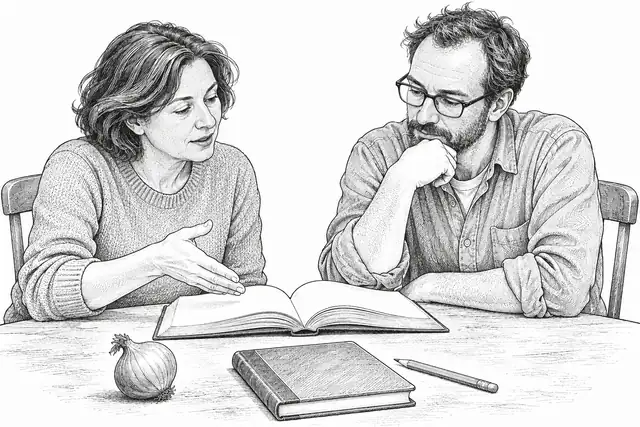
Original imagined example: ପାଠଚକ୍ରରେ ଜଣେ କହିଲେ, “ପିଆଜ ଓ ବିଆଜର ମେଳ ମନେ ରହେ; ତେଣୁ କଥାଟି ସମସ୍ତଙ୍କ ପାଇଁ ସତ ହୋଇଯାଏ କି?” ଆଲୋଚନାଟି ଶବ୍ଦର ମେଳ ଓ ଦାବିର ପ୍ରମାଣ ମଧ୍ୟରେ ତଫାତ ନେଇ ଚାଲିଲା। / A reading-group member asks, “The rhyme is memorable; does that make its claim true for everyone?” The group discusses the difference between verbal neatness and evidence. This exchange is invented.
Cultural context
Pathan is the quotation’s term; the following note speaks more broadly of Muslims. That shift is not silently treated as identity equivalence. No present religious ruling or financial guidance is offered.