DHAGA 346 · dictionary-labelled saying; source-informed editorial reading
One keeps; another will squander
ପାଠ ଡାକୁଛି, ଜଣେ ଉଡ଼େଇବ, ଜଣେ ରଖୁଛି
ବହିର କଥା ଉଠାଇ ଧାଡ଼ିଟି ରଖିବା ସହ ଉଡ଼ାଇବାକୁ ଯୋଡ଼େ। ଅଭିଧାନର ପରବର୍ତ୍ତୀ ବ୍ୟାଖ୍ୟାରେ ଜଣେ କଷ୍ଟରେ ଧନ ସଞ୍ଚନ୍ତି, ପରେ ଅନ୍ୟ ଜଣେ ତାହା ଅପବ୍ୟୟ କରନ୍ତି। ଆମ ପାଠ ଏହି ଦୁଇ କାମର ବିରୋଧକୁ ଦେଖେ। କେଉଁ ବହି, ଉତ୍ସ ନାମ କହେନାହିଁ; ସ୍ୱତନ୍ତ୍ର ଯାଞ୍ଚ ମଧ୍ୟ ହୋଇନାହିଁ। ଏହା ସବୁ ପରିବାରର ନିୟମ ନୁହେଁ ବା କୌଣସି ଉତ୍ତରାଧିକାରୀଙ୍କ ପରିଚୟ ନୁହେଁ।
Literal meaning
The books say: one will squander; one is keeping.
What it means
The saying invokes books while putting keeping beside future squandering. The dictionary’s following explanation describes one person laboriously saving wealth and another later wasting it. Our reading notices the contrast between their actions. No particular book is named or independently checked, and the line does not establish a universal family pattern or identify an heir.
When you might use it
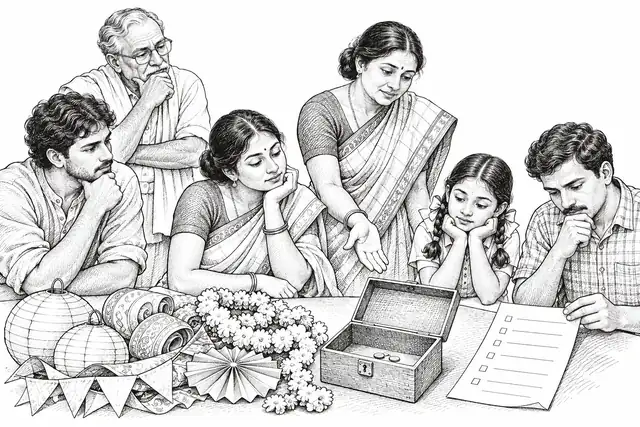
Original imagined example: ଦଳଟି ଅନେକ ମାସ ଧରି ଜମାଇଥିବା ଟଙ୍କା ଅନାବଶ୍ୟକ ସଜାରେ ଖର୍ଚ୍ଚ ହେଲା। ପରେ ସମସ୍ତେ ଖର୍ଚ୍ଚର ଯୋଜନା ମିଳିତ ଭାବେ କଲେ। / A group revisits spending decisions after savings go on unnecessary decoration. This scene is invented.
Cultural context
The ancient-books assertion belongs to the dictionary and quoted voice, not verified textual history. Exact tense contrast is retained; there is no financial recommendation or prescribed relationship.